by
by 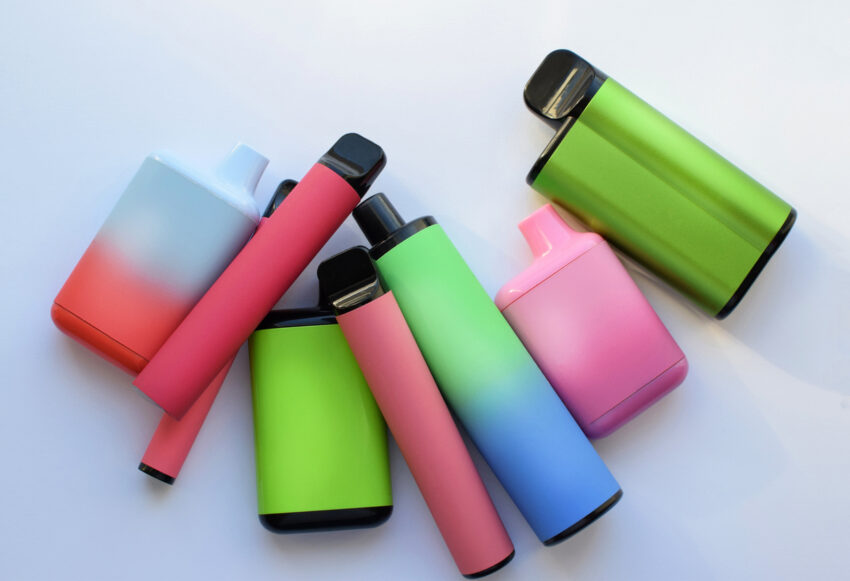
Share On Social!
The Food and Drug Administration (FDA) is considering whether to allow some flavored e-cigarettes on the market, according to new draft guidance.
However, any new vape flavors could only be marketed to adults.
Under the new guidance, the FDA may approve vape flavors like “mint, coffee, tea and spices like clove or cinnamon,” but it “will continue rejecting sweet or fruit-flavored products” that appeal more to teens, according to HealthDay, a news agency.
FDA states that certain e-cigarette flavors can help facilitate adults switching away from tobacco cigarettes and increase quit attempts.
However, public health leaders warn of harm.
“Allowing any flavors on the market benefits only corporations and harms public health,” Kelsey Romeo-Stuppy of Action on Smoking & Health, told HealthDay. “That is not a gamble we should be willing to take.”
You can submit a public comment on FDA’s new guidance that could allow flavored e-cigarettes on the market.
Comments must be submitted by Monday, May 11, 2026.
UPDATE: Even with the comment period open, the FDA announced on May 5, 2026, that it authorized the sale of flavored e-cigarettes.
Glas Inc, which age-restricts its products with technology, will market vape flavors menthol, gold (mango), and sapphire (blueberry).
“[The May 5] decision puts at risk the progress our nation has made in reducing youth e-cigarette use. It conflicts with overwhelming scientific evidence and the FDA’s own repeated conclusions that flavors pose a substantial risk to young people, said Yolonda C. Richardson, President and CEO, Campaign for Tobacco-Free Kids.
UPDATE: 268 people, including 8 Salud America! members submitted comments on FDA’s new guidance that could allow flavored e-cigarettes on the market.
Submit This Model Public Comment on Allowing Flavored E-cigarettes
Dear FDA leaders,
The use of e-cigarettes, also known as vapes or Electronic Nicotine Delivery Systems (ENDS), has become a widely used form of smoking.
Most e-cigarettes contain nicotine and exposes one’s lungs to “toxic particles and other chemicals that cause cancer,” according to federal health leaders (https://bit.ly/4sLusyp).
E-cigarettes are a special concern for younger individuals and certain groups (https://bit.ly/4mM7N3A). For example, data show that 1.63 million (5.9%) middle- and high-school students currently used e-cigarettes (https://bit.ly/4mM7N3A).
You are considering new guidance that would enable your regulatory organization to approve flavored ENDS, although only marketed for adults.
The Campaign for Tobacco-Free Kids, a nonprofit health organization, has reviewed the new guidance lists several important considerations:
- The Draft Guidance Does Not and Should Not Weaken the Requirement that Marketing Authorization of a Flavored ENDS Product Requires Robust and Reliable Evidence of an Added Benefit to Adults Who Smoke Beyond that Conferred by Tobacco-Flavored Products and Sufficient to Outweigh the Risks to Non-users
- The Draft Guidance Fails to Account for the Variability of Youth Flavor Preferences for ENDS Products Over Time The Categorization of Menthol and Mint as Posing “Lower Risk” to Youth Lays the Foundation for Authorization of ENDS Products that Will Cause Substantial Harm to Public Health
- The Draft Guidance Does Not Does Adequately Consider the Likelihood of Sustained Dual Use of Combusted Cigarettes and E-Cigarettes and the Negative Health Consequences of Sustained Dual Use
- The Draft Guidance Does Not Account for the Toxicity of Flavored E-Cigarettes
- For All Flavored ENDS Products, FDA Should Impose a High Evidentiary Burden to Show that Device Access Restrictions Would Sufficiently Protect Against Use by Youth to Meet the APPH Standard
- The Draft Guidance Does Not Present Sufficient Evidence of the Beneficial Effects of Flavors in ENDS to Justify an Easier Pathway to Marketing Authorization
We ask that the FDA considers these factors as you weigh the new guidance.
Thank you.
Why Are Flavored E-Cigarettes an Important Health Issue?
FDA’s new guidance shows a willingness to authorize certain flavored vape products, also known as Electronic Nicotine Delivery Systems (ENDS).

“FDA recognizes that ENDS products with flavors other than tobacco may, in certain circumstances, provide benefits to adults who smoke combusted cigarettes, including by facilitating switching away from combusted tobacco products, increasing quit attempts, supporting sustained smoking abstinence, and reducing cigarette consumption among adults who would otherwise continue smoking,” according to the FDA.
FDA states that it recognized the health threat among youth.
“Given the substantial public health risks these products pose to American youth, these products face a correspondingly high evidentiary burden to demonstrate that the benefits to adult smokers in terms of quitting or significantly reducing cigarette use outweigh the risks of youth initiation and use,” according to the FDA.
While the FDA’s draft guidance suggests that authorizing the sale of certain nicotine flavors to assist adult smokers such as coffee, mint, or cinnamon, it does not consider the impact it can have on younger people.
“Some public health experts, along with anti-tobacco advocates, worry the change could set back the progress the U.S. has made in reducing the number of underage people who use e-cigarettes,” according to STAT.
The tobacco industry also has a history of advertising through social media, trends, and advertising “healthier” options.
“We’ve seen this playbook before — tobacco companies once promoted ‘light’ and ‘low tar’ cigarettes to get around health concerns, and it wouldn’t be surprising to see them rebrand or tweak products to fit these new categories,” said Ranjana Caple of the American Lung Association, according to HealthDay.
Public comments are critical because they help federal officials learn the potential impact of a proposed guideline or regulation, according to Unidos US. Participating in the rulemaking process allows you or your organization to shape federal programs and the rules that govern.
Quit Smoking Today with Help from Quitxt!
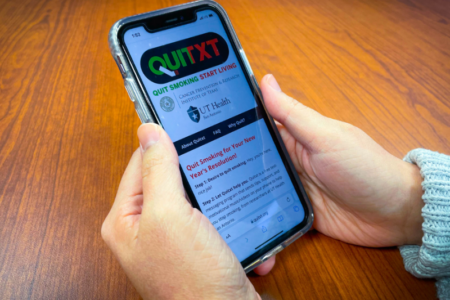
If you’re interested in quitting smoking or quitting vaping, try Quitxt!
Quitxt is a bilingual service from the Institute for Health Promotion Research at UT Health San Antonio and the Cancer Prevention and Research Institute of Texas that sends texts messages to phones to help South Texas adults quit smoking. Messages help with motivation to quit, setting a quit date, handling stress, and using nicotine replacement, if needed.
To join Quitxt in English, text “iquit” to 844-332-2058.
For Spanish, text “lodejo” to 844-332-2058.
More than 1 in 5 Quitxt users fully quit smoking after completing the English version of the program, according to a study.
“There’s no better time than now to stop smoking with help from Quitxt,” said Dr. Amelie G. Ramirez, director of the Institute for Health Promotion Research and head of community outreach and engagement team at the Mays Cancer Center at UT Health San Antonio.
“Quitting smoking is proven to improve your health, increase your life span, and save money.”
By The Numbers
142
Percent
Expected rise in Latino cancer cases in coming years