"Will they think I’m crazy? Will they think my child is crazy?" Parents and kids worry what other people will think if they talk about childhood mental health issues. Negative stigma often keeps them from seeking help. This isn't news to Michele Brown, vice president of marketing and development at Clarity Children’s Guidance Center in San Antonio, Texas (63.7% Latino). Brown knows the shocking stats all too well: 1 in 5 kids suffer from mental illness.
Of those, only 1 in 5 receives treatment. These stats spurred Clarity's "1 in 5 Minds" campaign to share stories, counter mental health stigma, and boost support, Brown said.
The Problem of Mental Health Stigma
Stigma is when someone, or even you yourself, views a person in a negative way just because they have a ...
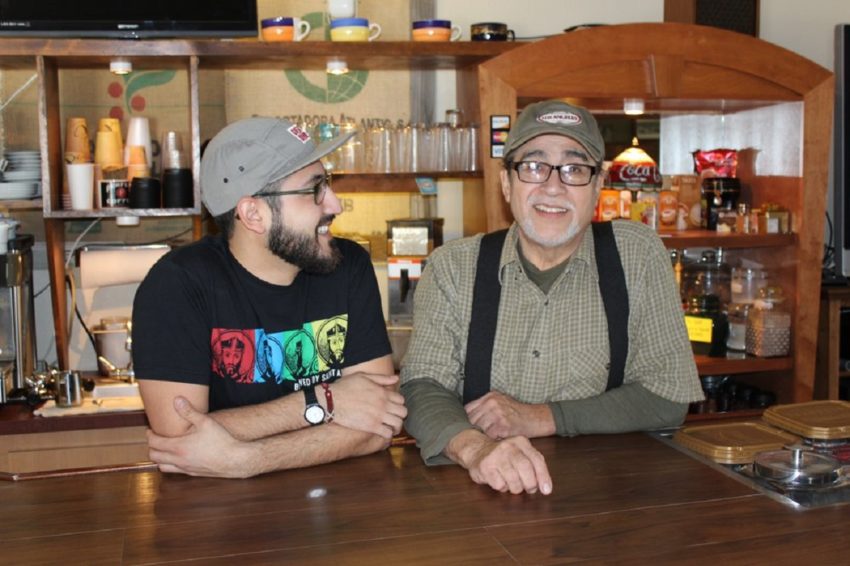
Gilbert de Hoyos opened Barrio Barista because he enjoys serving coffee to West Side residents in San Antonio (67% Latino). He also likes to cook. So de Hoyos added a small menu. And he didn't want it full of unhealthy options, either. De Hoyos is among a growing number of eateries that have joined a city health program, ¡Por Vida!, that unites nutritionists with restaurants to promote healthier menu options. “San Antonio and especially the West Side have a reputation of not having healthy foods and I want to change that by cooking delicious foods that also support a healthy life," de Hoyos said. “It’s my way of giving back to the community." One of those options is his roasted vegetable tacos with remoulade sauce served on a corn tortilla, Kens5 reports. The ...
Noemi Villarreal sees Latinos in San Antonio struggle with disease, and wants to help. That’s why she has helped launch family support connectors, and also developed farmers markets in the Eastside, a heavily Latino section of the city. The farmers markets did not work. How could Villarreal and neighborhood leaders still bring cooking and nutrition education to families to help prevent disease? Thinking outside the box, they created a series of classes that include a chef demonstration—and take-home bags so families can replicate nutritious food recipes at home.
Encouraging Healthy Eating for Latinos
San Antonio’s Eastside Promise Neighborhood (EPN) is home to 18,000 residents (67.5% Latino) who face health issues due to inequities in income, education, access to health ...
Fewer than 40% of San Antonio residents are within a 10-minute walk of a park. Better local access to green spaces is critical, given that exposure to nature can boost children’s academic performance, physical activity and mental health. That’s why San Antonio has joined the Cities Connecting Children to Nature Initiative. The initiative, which started in 2016 as a pilot project to increase equitable access to nature in seven cities, expanded to include 11 more cities in 2018. As one of the 11, San Antonio will get 2.75 years of technical assistance and $75,000 in planning and implementation grants. But just how will San Antonio increase kids’ connection to nature?
San Antonio Lacks Access to Parks
Most of the U.S. population lives in urban areas, where inequitable ...
Austin, Texas has many "nature gaps." In these areas, families lack parks for kids and families to play, which hinders their mental and physical health. Government and school officials in this 38% Latino city wanted to connect children with nature, which can boost students' academics and health. Their solution? "Green School Parks" that combine outdoor learning in nature during school time and act as a park for the community during out-of-school time.
The Fist Step to Green School Parks
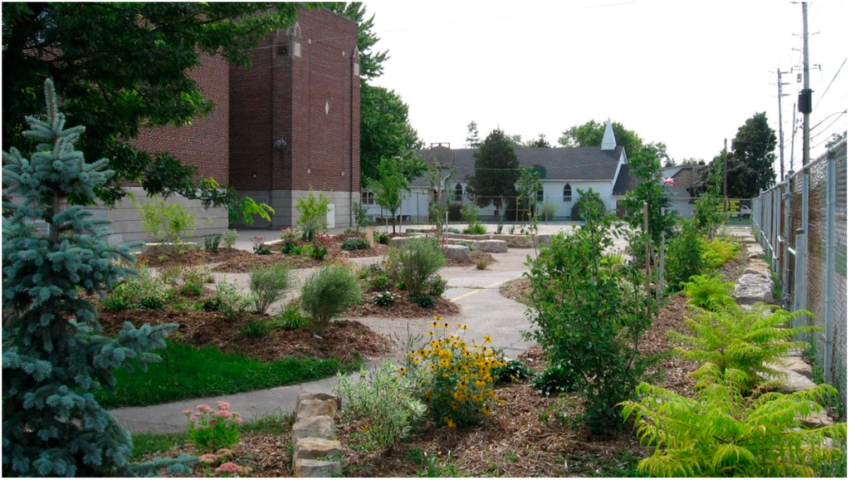
More than two-dozen schools across Austin have shared use agreements that help fill the nature gap. In these agreements, schools open their schoolyards to the public after school and on weekends. But not all schools have green play areas—some are just asphalt. Fortunately, in ...
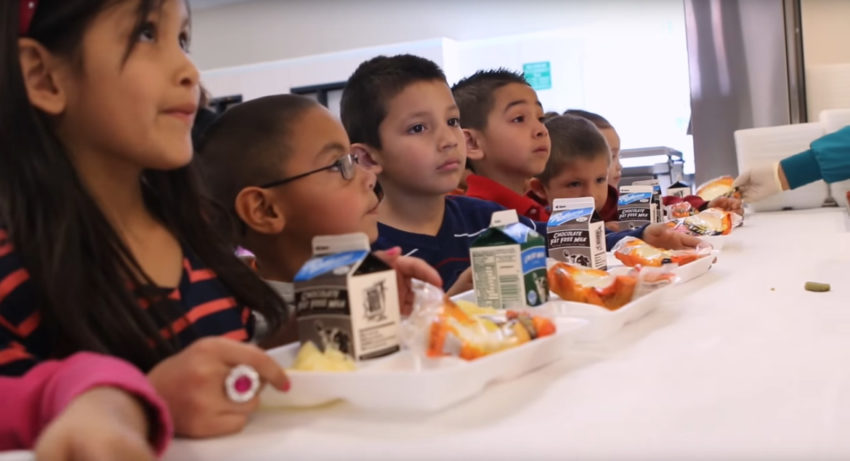
Jenny Arredondo knows some San Antonio students leave school and don't eat again until they return to school the next day. Many students live in poverty. Some don't know where their next meal is coming from. Arredondo wanted to help. Arredondo, senior executive director of child nutrition at San Antonio ISD, found a solution in Texas State Rep. Diego Bernal's new state law. Schools now can start "school food pantries" to accept and store donated food and surplus food from the cafeteria, and distribute that leftover food to hungry students. How could she start school food pantries at San Antonio ISD?
Food Insecurity at San Antonio ISD
U.S. Latino children and families often struggle with poverty and live in poverty stricken neighborhoods with abundant fast food but little ...
Texas State Rep. Diego Bernal had a simple question for school leaders in San Antonio. What's your biggest concern for students? Wasted food, they told him. In fact, Bernal toured schools in San Antonio (63.2% Latino) and learned leaders were frustrated with how much food is trashed and not given to students who live in poverty and have no food at home. Even in more affluent school districts, students were going hungry while schools threw away, “untouched, unopened, ripe, perfectly edible food,” Bernal told the San Antonio Express-News. Bernal was heartbroken. He wanted to do something. But how could he bring leftover school food to the mouths of hungry students? Children Going Hungry
Bernal saw two types of hungry students in San Antonio. Students who are ...
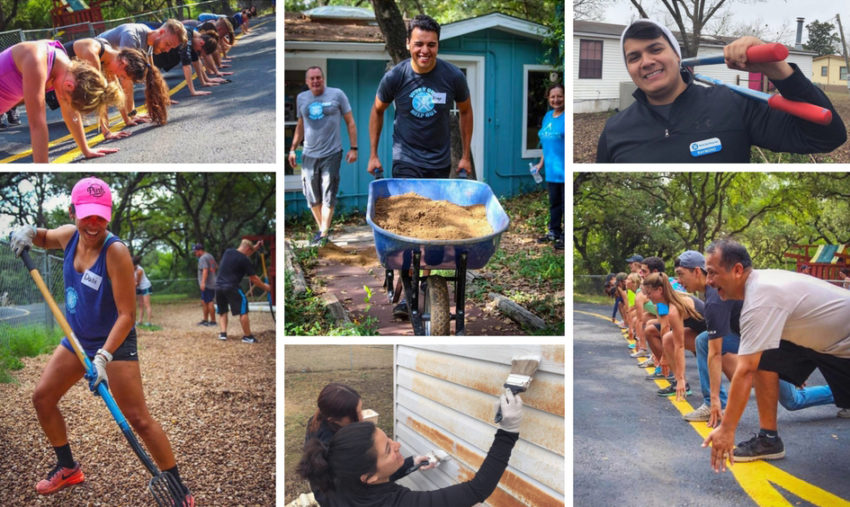
Paul Rezaei loved being physically active as a kid, so much so that he became a personal trainer and has helped people get fit in San Antonio for 10 years. One day, as Rezaei watched people spend energy to jog on treadmills and move weights, he had a revelation: "Can't we do this [work out] while doing something positive for the community?" Rezaei wanted to host events where people could work out—and at the same time serve as volunteers to create gardens, help at-risk families, and improve the community. How could he make it happen?
Physical Inactivity and the Need for Healthy Spaces
Rezaei, a trainer at Life Time Fitness, sees many people in San Antonio (67% Latino) struggle to get the recommended daily physical activity. More than half of adults here are obese or ...
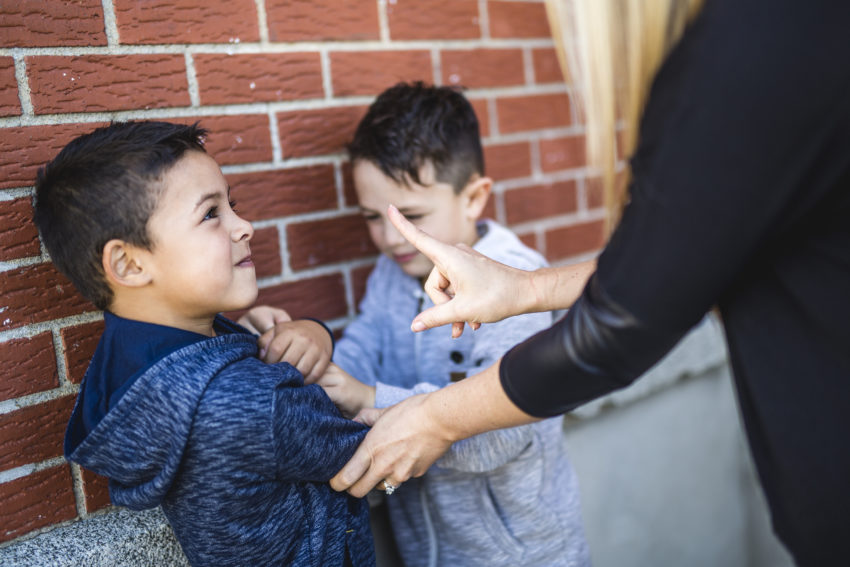
Texas school districts are suspending young students at alarming and disproportionate rates, according to a new report by Texans Care for Children. The report identified 64,773 in-school suspensions and 36,475 out-of-school suspensions of pre-K through second-grade students in Texas in 2015-2016. Students who are black, male, or in special education or foster care were disproportionately suspended. Taking preschoolers out of class denies them valuable learning time and spurs negative thoughts about school and how they fit in. Suspended students are more likely to have poor grades, continue misbehaving, and drop out of school, which harms lifelong mental and physical health. Latino kids especially risk not getting the social support they need for healthy development and disease ...