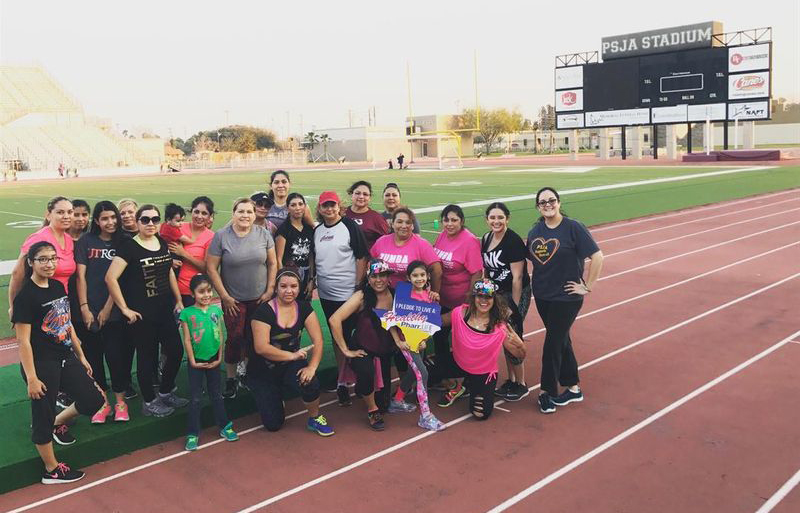
How do you drive healthy, obesity-reducing activities in communities across your state? The IT'S TIME TEXAS Community Challenge is one way to start! The annual challenge, sponsored by Texas grocer H-E-B, engages cities and city leaders in competition over 8 weeks to see whose residents can start and participate in healthy living activities in schools and workplaces. This year, 210 communities, 42 mayors, and 21,393 people participated. "The Community Challenge is designed to ignite the spirit of Texans and give all Texans a fun and free way to advance the movement for a healthier state," said Dr. Baker Harrell, founder and CEO of It's Time Texas. "We were so inspired by the many thousands of mayors, schools, businesses, and individuals across Texas that stepped-up to the ...
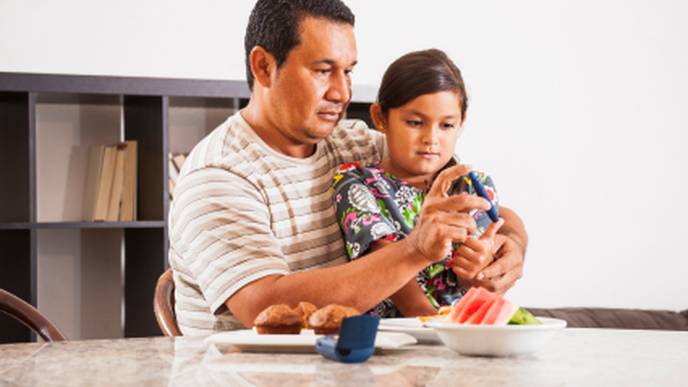
Diabetes continues to be one of the leading causes of death, affecting the lives of Texans and Latinos all across the U.S. Latinos in Texas are nearly 2x as likely to die of diabetes compared to whites, after adjusting for age. In 2017, 12.2% of Latinos in Texas had diabetes vs. 10.2% of non-Latino whites. Of greater concern is the fact that up to 600,000 of Texans do not even know they have the disease.
March 27 is Diabetes Alert Day
On March 27, 2018 several communities, including many health advocates in San Antonio, TX will be working to inform the community about this disease. Diabetes must be taken serious, but we need your help! To take action we invite you to participate in the following activities: Take the diabetes risk test (available in English and ...
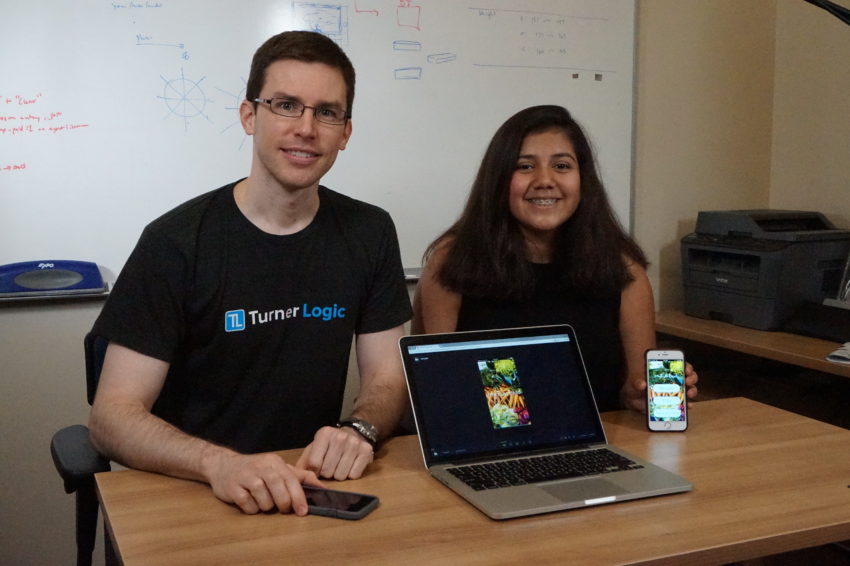
Isabella Jimenez of San Antonio isn't a normal 13-year-old. When Isabella watched in shock as her classmates ate only potato chips or candy bars for lunch day after day, she didn't just shrug it off. She gave herself a call to action. "Why not create a kid-friendly app with recipes and health tips for [students and] the whole community?" Isabella asked.
Isabella's First Step In many Latino communities, like San Antonio (68% Latino), students are more exposed to unhealthy food in and out of school, according to a Salud America! research review. Isabella saw this in her school, Lee High School in North East ISD in San Antonio. "It's mainly concerning, because [chips and candy bars are] what they're putting into their diet,” Isabella said. Isabella wanted to find a ...
Open jobs sit unfilled for months at a time in McKinney, Texas (19.24% Latino). Retail, restaurants, and construction businesses can't find workers. The cause? The people who can fill those jobs can't afford to live in McKinney—the average home price is $340,000. "Just think about the salary it takes to afford a house like that, and then to maintain it. You just can't do it," McKinney Mayor George Fuller told Channel 5 NBC. "You can get a job, but you can't afford housing." Affordable housing is a rising need in many large and growing cities across the nation. San Antonio, for example, recently started an affordable housing task force to address its own shortage. San Antonio City Council member Shirley Gonzales is leading a push in her district, too. Heck, even Eva ...
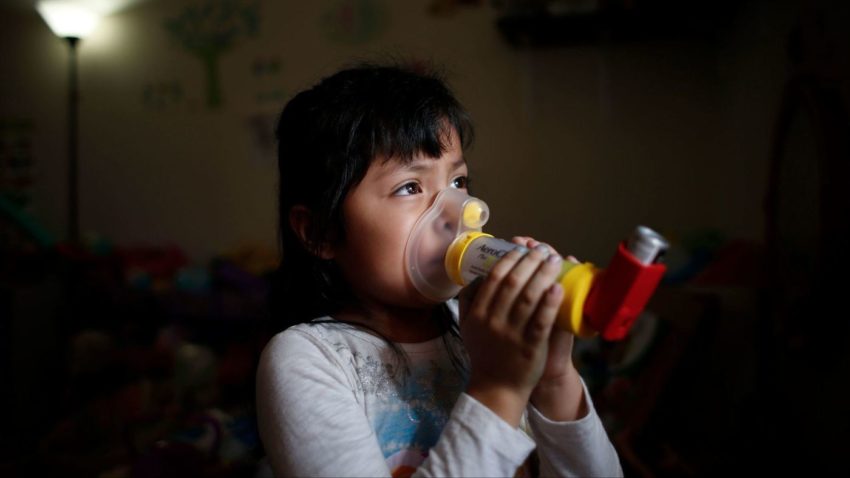
Did you know Latino kids are twice as likely to die from asthma than their peers? More than 1 in 10 U.S. Latino kids have been told they have asthma. These kids struggle with this incurable lung disease that causes recurring periods of wheezing, chest tightness, coughing, shortness of breath, and can result in missed days of school or emotional and physical stress. Why is this? Poverty plays a big role, but it's more than that, said Genny Carrillo of Texas A&M, who studies the disease. "Possibly due to more limited access to health insurance and health care providers and higher presence of environmental triggers such as pollution, dust and mold," Carrillo said. There is good news. A person with asthma can live and sleep without interruptions with proper ...
Latino families are often lack economic support and healthcare they need, which jeopardizes their kids' academic, social, and physical development, according to Salud America! research. But two San Antonio organizations may have the solution. Methodist Healthcare Ministries of South Texas is giving $175,000 to HASA—the health information exchange for San Antonio and other parts of the state—to expand their services by adding socioeconomic factors like housing, access to healthy food, and more social issues to patient's medical records, according to the San Antonio Business Journal. What does that mean? It means that healthcare providers will get a better look at a patients' health history, including clinical, social and behavioral risk. This will arm doctors with ...
When San Antonio native Shirley Gonzales earned a business degree years ago, she immediately went to work to find new locations to expand her family's local business, Bill's Pawn Shop. Gonzales studied the city's historic, largely Latino Westside. She loved the area so much, she moved her family there. But she found it hard to navigate the city’s complex procedures for opening and expanding businesses—an experience that eventually led her to run for, and earn, a seat on the San Antonio City Council. Now Gonzales is pushing to revitalize business on the Westside and helping residents find better, more affordable homes to live in, too. “There is so much about this community that is good,” Gonzales said. “It has great history, great people living here, strong ...
No parent should have to face the sheer agony of losing a baby. But it happened to Servando Salinas and Roxanne Alvarez. The San Antonio parents recently spent time at a relative's house. So Salinas and Alvarez had their eight-month-old daughter, Heaven, sleep in bed with them. When Salinas woke up, he noticed Heaven was not breathing. They called EMS, but the baby was pronounced dead at the scene, according to FOX-29. “I couldn't move. I couldn't stand. I was crying so much,” Salinas told Fox-29. Sadly, in two San Antonio zip codes—mostly Latino 78203 and 78220—Latina mothers have the highest infant death rates in the state, says a UT System study. That's why we are glad to see that San Antonio leaders, health advocates, parents, and groups are stepping up to ...
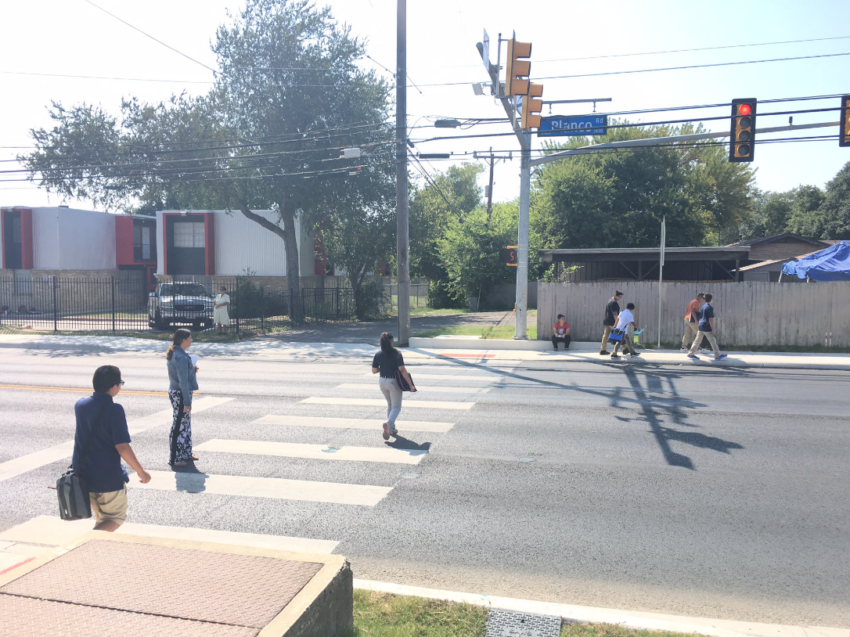
A pedestrian is killed by a motor vehicle once a week, on average, in San Antonio. In fact, 219 pedestrians died and 607 were severely injured in nearly 4,000 pedestrian-vehicle collisions from 2011-2015 on San Antonio roadways. That's a worse rate than Austin, Houston, Los Angeles, and many other cities. It's even worse in San Antonio's lower-income areas. In these areas, communities are designed for tires and steel, rather than people. When people don't feel safe to walk for health, recreation, or transportation, it harms their quality of life. They don't have an equitable chance to live healthier lives. San Antonio leaders are working to create safer streets for all. So officials launched a Vision Zero initiative and are continuing to analyze geographical data to ...