Good news for Texans! A $3 million grant will help UT Health San Antonio train 275 new community health workers (CHWs) and support an additional 75 CHWs in maintaining state certification. The grant, issued by the US Department of Health and Human Services/Health Resources and Services Administration (HRSA), will train CHWs across 38 South Texas counties from Brownsville to Laredo, including the area’s rural communities. The grant is part of the federal government’s $226.5 million investment in the nation’s community and public health workforce, announced in September 2022.
The Importance of CHWs
Also known as promotoras de salud and patient navigators, CHWs connect patients to healthcare and facilitate communication between healthcare providers and patients, including ...
The U.S. has a violent child death problem. Developing strategies to prevent violent child death from firearms and traffic crashes is a demanding task that requires consideration of numerous upstream, interrelated, and tangential issues. To help safety advocates develop strategies to prevent violent child death, we compiled five frameworks to help: Understand and explain how proposed strategies will prevent violent child death
Layer multiple strategies to cover shortcomings in strategies
Prioritize upstream primary prevention strategies to improve outcomes for entire populations
Consider the level of intrusiveness of strategies
Apply racial equity tools to ensure equitable adoption/implementation of strategies The five frameworks include: Logic Model/Theory ...
Maternity care deserts make up 36% of all US counties, according a 2022 March of Dimes report. These maternity care deserts contribute to the US having the highest maternal mortality rate among developed countries, as they make it significantly harder for women to get the care they need. Let’s explore how maternity care deserts affect women’s health, especially for Latinas, who already face inequities that limit healthcare access.
Defining Access to Maternity Care
The March of Dimes report defines a maternity care desert as any county without a hospital or birth center offering obstetric (OB) care and without any OB providers, such as obstetrician/gynecologists and certified nurse midwives/certified midwives.
Report’s Key Findings on Maternity Care Deserts
As mentioned ...
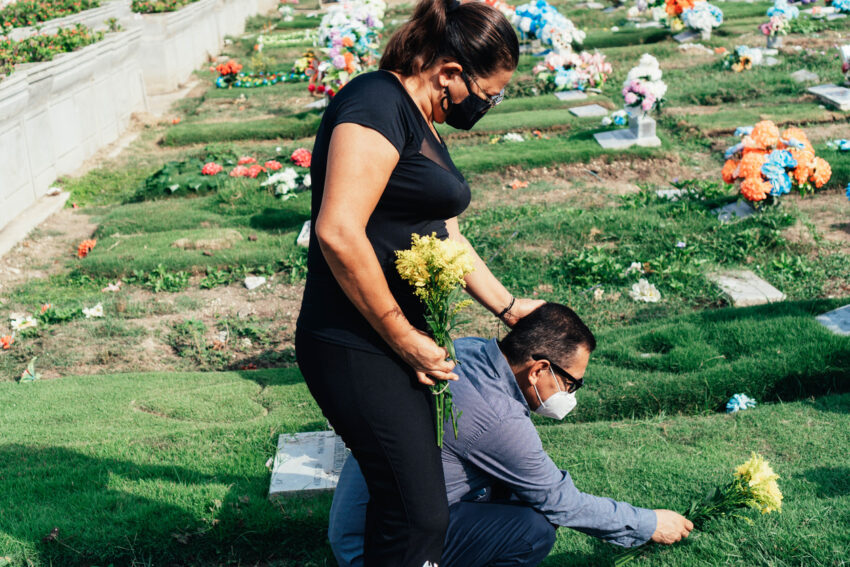
Gun violence and traffic crashes may seem like unpredictable events. But they are not random. They are systematic. Data reveal trends and patterns in gun violence and traffic crashes that can help us identify risk factors and protective factors. This is especially important for addressing violent child deaths. So what do the data show? Join Salud America! as we explore data on risk factors as part of our four-part series on violent child death. Read the Series Overview and Part 1.
Nothing is as Random as You Think
Very little is random when it comes to our health and length of life. Rather, trends in health outcomes point to various individual, social, and environmental factors that either contribute to or safeguard against health-related problems. Although often not ...
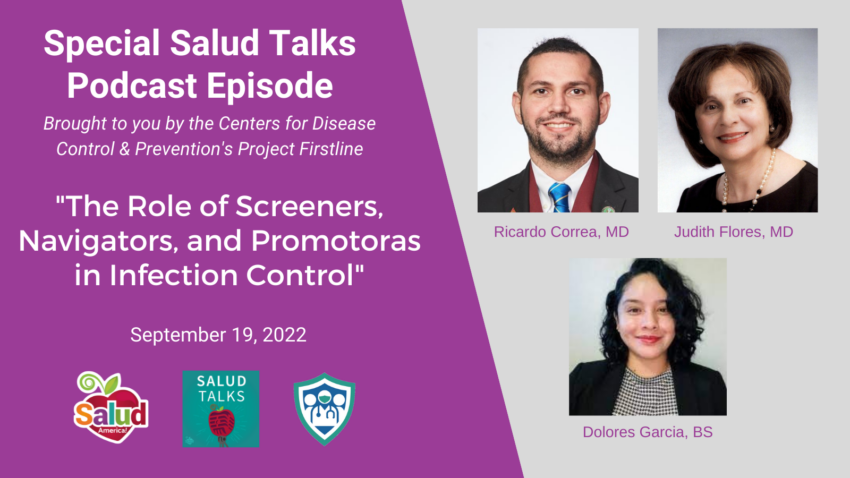
The pandemic revealed long-standing gaps in infection control knowledge and understanding among the frontline healthcare workforce. This is why CDC launched Project Firstline, a training and education collaborative designed to ensure all healthcare workers, no matter their role or educational background, have the infection control knowledge and understanding they need and deserve to protect themselves, their patients, and their coworkers. Salud America! at UT Health San Antonio, in partnership with the National Hispanic Medical Association (NHMA) and CDC Project Firstline, brings you a three-part episode podcast series, “Behind the Mask,” to explore infection control through three specific and diverse healthcare lenses: patient navigators/health screeners/community health ...
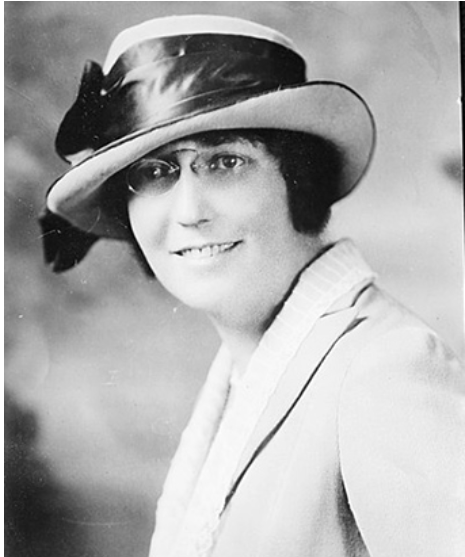
For Hispanic Heritage Month, we honor a Latina who dedicated her life to the advancement of Latinos and other disadvantaged groups: Nina Otero-Warren. Otero-Warren is known for fighting for women’s suffrage in her home state of New Mexico, becoming the first female Superintendent of Public Schools in Santa Fe County, stimulating political change, and helping to improve public health. Recently, Otero-Warren was the first Latina to be featured on US currency. She was honored with her image being stamped on a US quarter, which also depicts New Mexico's state flowers and Otero-Warren’s Spanish slogan, "Voto para la mujer," – "votes for women."
Early Years of Life for Otero-Warren
Otero-Warren was born in 1881 in New Mexico on her family’s hacienda – large ...
The pandemic revealed long-standing gaps in infection control knowledge and understanding among the frontline healthcare workforce. This is why CDC launched Project Firstline, a training and education collaborative designed to ensure all healthcare workers, no matter their role or educational background, have the infection control knowledge and understanding they need and deserve to protect themselves, their patients, and their coworkers. Salud America! at UT Health San Antonio, in partnership with the National Hispanic Medical Association (NHMA) and CDC Project Firstline, brings you a three-part episode podcast series, “Behind the Mask,” to explore infection control through three specific and diverse healthcare lenses: patient navigators/health screeners/community health ...
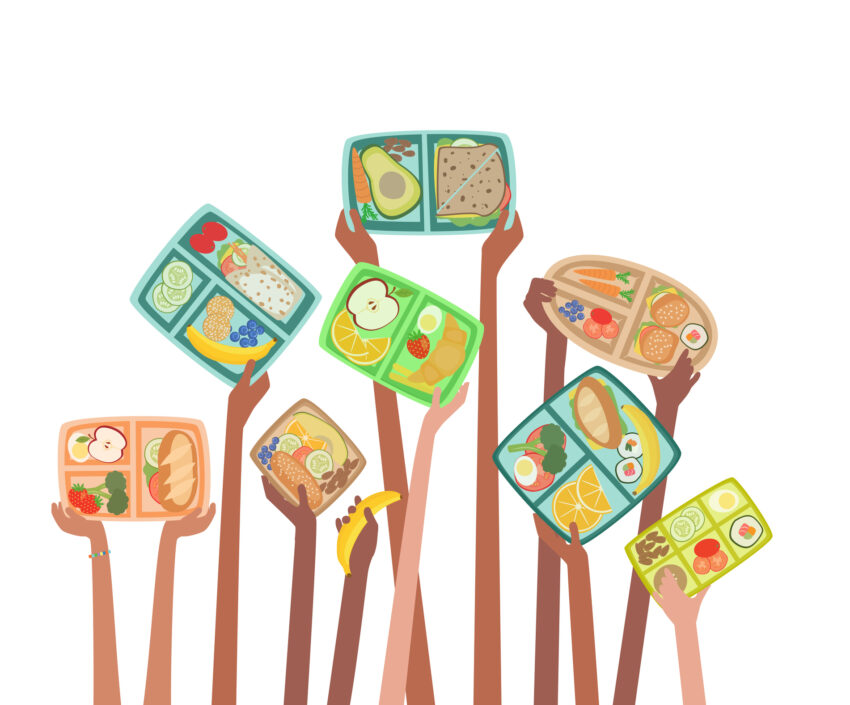
Throughout the COVID-19 pandemic, many schools had the flexibility to offer school meals free to all public-school students. Now, some of this flexibility is expiring and many schools can only serve free meals to certain students starting this 2022-2023 school year, according to the USDA. “As we all get through this change, we ask everyone to be patient with school nutrition professionals and thank them for working to help children during such a tough time. The [USDA] and the Biden-Harris Administration fully support the school leaders and school meal heroes running the school meals programs,” according to the USDA. For Latino students, whose families often face wage gaps and nutrition insecurity, these changes could have a significant impact. Here is what these recent ...
In the bar or club, it's easy to find people smoking and drinking. What would happen if health workers walked into these venues to ask cigarette smokers — face to face — to join a quit-smoking service on their phone? To find out, UT Health San Antonio researchers and an ad agency trained "street teams" to go into bars and clubs in San Antonio, Texas, to talk to patrons about joining Quitxt, a bilingual service that uses text messages to help young Latino adults quit smoking. Street teams talked with 3,923 people and enrolled 335 to Quitxt over 10 days in March 2020 before the COVID-19 pandemic halted work, according to a new study in the journal JMIR Formative Research. "Direct outreach in bars and clubs is a useful method for connecting young adult cigarette smokers with ...