The way our communities are designed and built can either support or hinder health. This includes sidewalks, bike lanes, public transportation, housing, schools, parks, employment centers, etc. Everyone deserves healthy communities with safe routes to where we live, learn, work, play, and pray, as well as safe routes to healthy food. The American Public Health Association (APHA) and partner organizations have pledged to work together on the Joint Call to Action to Promote Healthy Communities. Partners include American Institute of Architects, American Planning Association, American Society of Civil Engineers, American Society of Landscape Architects, National Recreation and Park Association, U.S. Green Building Council, & Urban Land Institute. The signatory ...
A recent study uncovered some alarming facts about cervical cancer. Women are dying at higher rates from cervical cancer than previously thought. Cervical cancer is one of the most preventable cancers. By getting regular Pap tests, doctors can find and treat abnormal cells in the cervix before they become cancerous. Latinas already have the highest rates of cervical cancer among all groups of women. Cervical cancer disproportionately impacts the Latino community at 9.7%, compared to non-Latinos at 7.1%, according to the Centers for Disease Control and Prevention (CDC). The American Cancer Society also notes that in just this year alone, more than 12,820 cases will be diagnosed, and 4,210 women will die from the disease. Even more important, perhaps, is that it is the ...
It has long been known that where you live greatly impacts a person’s overall life and their potential future success. Environment affects health, income, education, and access to opportunities. Many Latinos are often forced to live in low-income, high-poverty, and high-crime areas through a variety of obstacles and barriers put into their paths. A report from the Metropolitan Planning Council and Urban Institute attempted to determine the real cost of racial segregation in housing. According to the report, this situation is costing the country as a whole billions of dollars each year. “Our study documents the relationships between segregation and the incomes, educations and safety of a metropolitan region’s residents,” said Greg Acs, the director of the Income and Benefits ...
Looking to make an impact on California Latina's grocery store shopping habits, researchers looked at how watching videos on healthy purchases could help encourage healthier shopping habits among Latina's. As studied by previous researchers, interventions that are focused solely on providing access to healthier foods for underserved people is not sufficient in helping them to eat healthier. However, equipping "food gatekeepers" or those who make the purchasing decisions for food and family meals, with knowledge on nutrition and grocery list planning skills can be a way for low-cost effective interventions. For the intervention, two groups of Latina's were asked to watch two videos, the first one on guided shopping and the other video focusing on mindfulness to support intentional ...
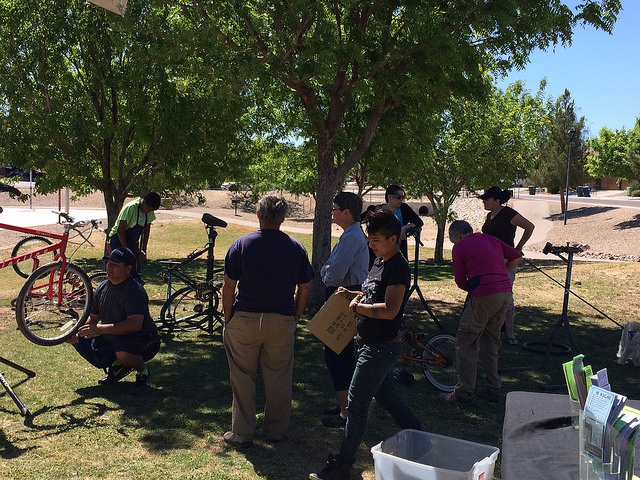
Elementary schools across Pima County, Arizona (36.4% Latino), like Los Amigos Technology Academy, are encouraging a culture of health and physical activity through walking school buses. In their first year as a Safe Routes to School (SRTS) focus school, Los Amigos teachers and parents developed a Fitness Friday initiative with a bike train and five walking routes that meet to create one large walking school bus. With Living Streets Alliance, they also started a bike repair clinic to teach students basic bike maintenance skills. Over 100 students participate in each Fitness Friday, and over 300 students and local organizations and agencies joined the annual WALKtober challenge to encourage more kids and families to walk or bike to school. "Even with the rough, rocky sides of ...
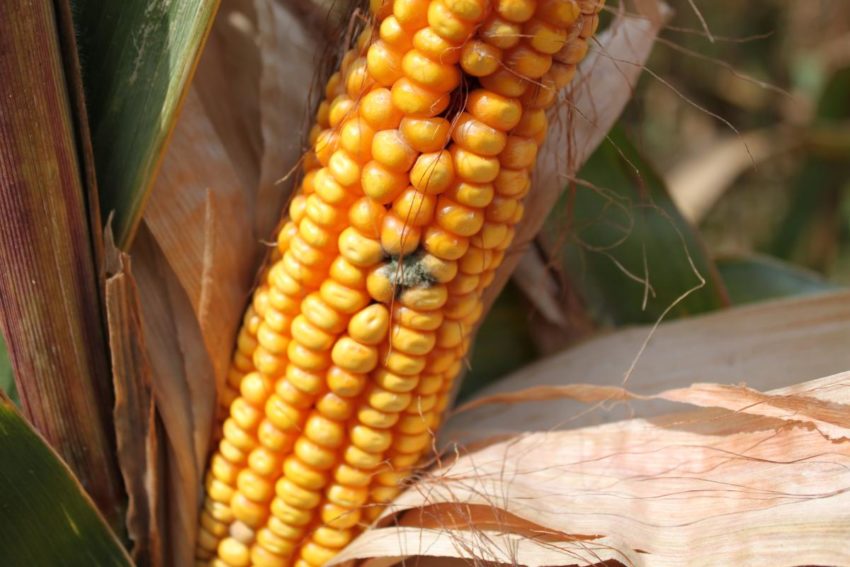
Even as U.S. cancer rates decline, liver cancer rates remain on the rise, especially among Latinos. But why? A new UT Health San Antonio study found that Latinos with liver cancer had much higher levels of aflatoxins than those without liver cancer. Alfatoxins are cancer-causing chemicals produced by mold that can contaminate improperly stored foods. People can ingest aflatoxins in contaminated corn, nuts, rice, sesame seeds, wheat, and some spices. For the study, researchers gauged aflatoxin exposure in 42 liver cancer cases and 42 non-cases from clinics in San Antonio, Texas. Two-thirds of the pairs were Latinos. Liver cancer cases had 6 times higher odds of having detectable levels of aflatoxins in their blood, compared to non-cases. "This study means that Latinos ...
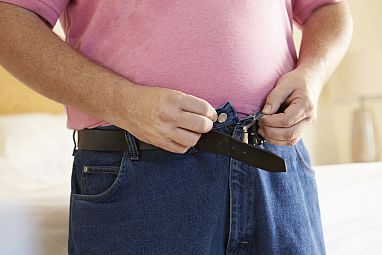
There is no secret that the United States overall has an obesity problem. According to a new report from the financial website WalletHub, the cost for America’s fight with obesity costs nearly $316 billion per year in medical bills. More than a third of U.S. adults are obese (36.5%), according to the Centers for Disease Control and Prevention. Obesity in children and adolescents between the ages 2 of 19 sits at 17%. For Latinos, the problem is at an epidemic level. Nearly 40% of Latino children are overweight or obese (higher rates than both white and black children), placing a significant burden on the current and future state of Latino health. According to WalletHub, more than 70 percent of Americans (age 15 and older) are overweight or obese. In order to reduce health ...
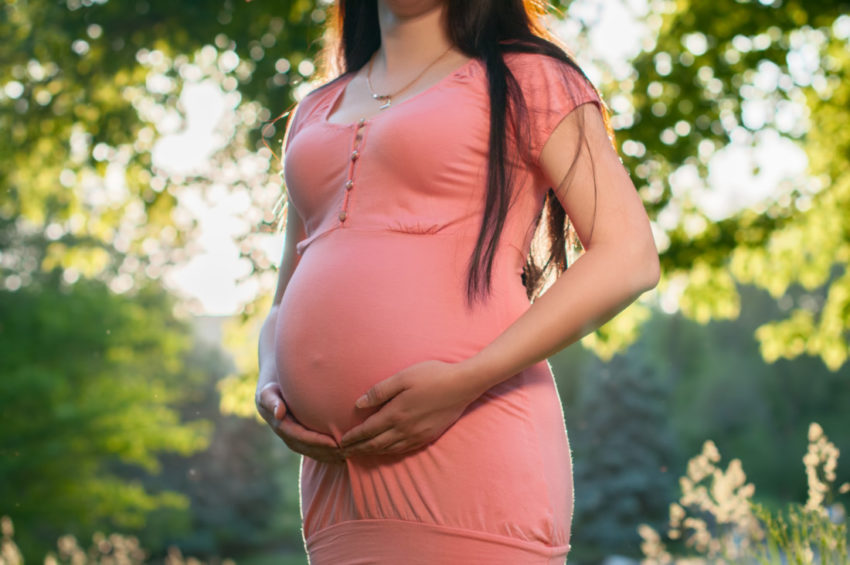
Most Latina and black women do not eat a healthy diet before pregnancy, despite its many benefits, according to a new study. A healthy maternal diet can reduce risk of obesity, preterm birth, and preeclampsia. The study scored the diets of 7,500 women in the weeks leading up to pregnancy. No women in any racial/ethnic group met the Dietary Guidelines for Americans, according to study leader Lisa Bodnar of the University of Pittsburgh. Only about 25% of white, 14% of Latina, and 5% of black women had well-scored diets. Soda was the primary contributor to energy intake among Latina an black women, according to the study. "Our findings mirror national nutrition and dietary trends. The diet-quality gap among non-pregnant people is thought to be a consequence of many factors, ...
Abril es el Mes Nacional de la Salud de las Minorías. Este es un tiempo dedicado para concientizar a la comunidad hispana acerca de los altos riesgos de adquirir ciertas enfermedades entre nuestra comunidad. Visita el sitio web de la Oficina de Salud de las Minorías de HHS para descargar materiales, encontrar eventos y compartir tu historia. Nunca es demasiado temprano para tomar medidas y nunca demasiado tarde para comenzar el manejo de la atención hacia enfermedades de las cuales los latinos pueden ser más propensos, por ejemplo la diabetes, la obesidad y el cáncer de seno. Si se trata de una joven aprendiendo sobre su riesgo de cáncer de seno y cuando empezar a hacerse estudios preventivos, o si se trata de un adulto mayor que busca opciones de tratamiento para ...