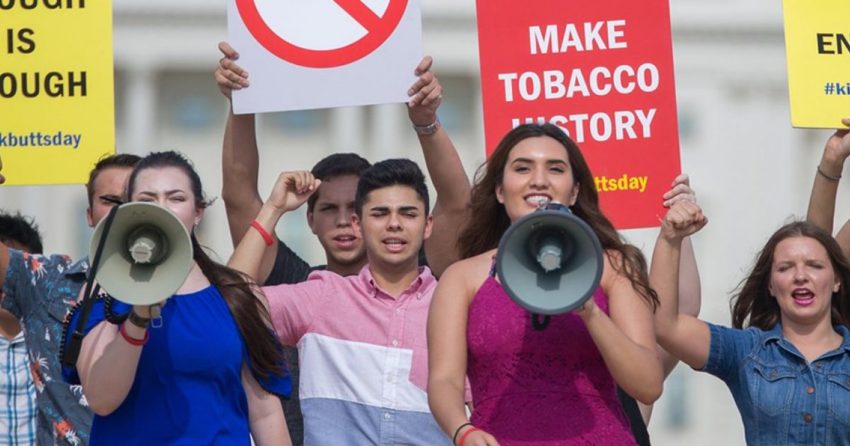
How can you stand up to the tobacco industry? On March 31, you can participate in Take Down Tobacco National Day of Action! Take Down Tobacco, a fresh take on Kick Butts Day, is the Campaign for Tobacco-Free Kids’ signature platform for empowering people to speak out against the tobacco industry. You can: Join the movement
Host an event
Play games in the Take Down Tobacco Arcade
Plan events or share on ocial media with #TakeDownTobacco The team behind Salud America! is working to help young adults quit smoking with Quitxt, our free English or Spanish text-message service that turns your phone into a personal “quit smoking” coach from UT Health San Antonio. To get help, text “iquit” (for English) or “lodejo” (for Spanish) to 844-332-2058. “On ...
Many Latinos and other people of color were not counted in the 2020 Census. Latinos have historically been undercounted, but the 2020 Census undercounted Latinos by more than three times the rate for that group in the 2010 census, CNN reports. Learn what led to the census undercount, why it matters for Latinos, and how we can fight inequities in our communities.
What Happened with the 2020 Census?
Overall, about 0.24% of the country’s population, or about 782,000 people, were not counted in the 2020 Census. The undercount rate for Latinos was 4.99%, according to NPR. Latinos are often undercounted because the Census has a harder time reaching marginalized communities. “The census has historically undercounted populations that are harder to reach through surveys, phone ...
Discussing racial equity and anti-racism can result in some backlash because of the great divide in our country regarding if and how to examine structural racism in American history and institutions. For example, in September 2020, President Donald Trump issued an executive order banning federal contractors from addressing “divisive concepts” and “harmful ideologies” related to racial/ethnic and gender discrimination in employee trainings. Although a federal judge temporarily blocked the executive order and President Joe Biden revoked it on his first day in office in January 2021, the nation was already divided on the concepts of systemic racism, including critical race theory, a critical theory that aims to examine and critique society. Thus, it is important to ...
Dolores Huerta taught us sí se puede—yes we can. This was Huerta's rallying cry as she inspired Latino farm workers to demand fair wages and better working conditions in the 1970s. In the decades after she co-founded the United Farm Worker's Union with César E. Chávez and made many gains for workers, she has continued to serve as a powerful voice to develop leaders and advocate for the Latino working poor, women, and children. Huerta, now 91, "travels across the country engaging in campaigns and influencing legislation that supports equality" and "speaks to students and organizations about issues of social justice and public policy," according to the Dolores Huerta Foundation. "A lot of people don’t realize that they actually can make a difference. That’s what we ...
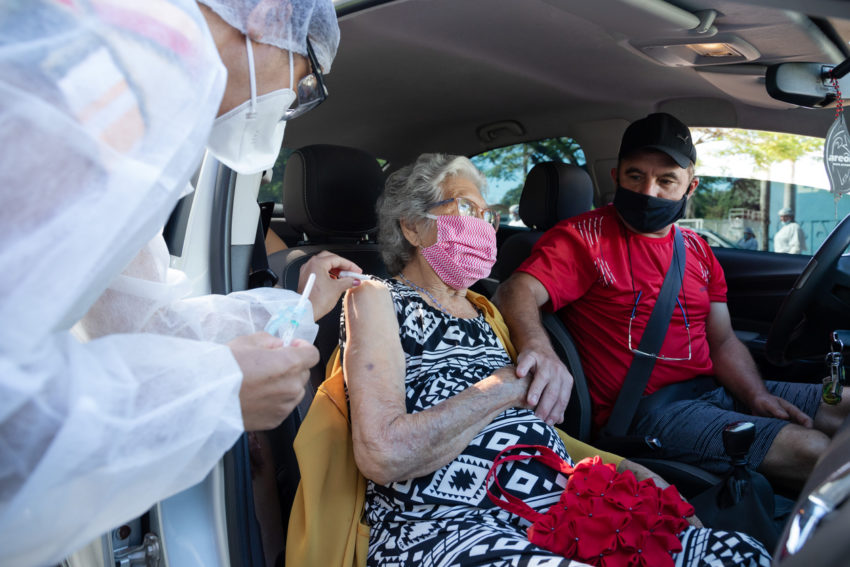
The COVID-19 vaccination gap continues among Latinos. In fact, most people who have received at least one dose of the vaccine were White (58%), while only 17% were Latino. State-level data show that Latinos are vaccinated at a much lower rate, even as they face heavier case and death burdens from the disease. This makes it critical to find innovative ways to reach Latinos to get vaccinated. “One of the main reasons for inequities in vaccination rates by race and ethnicity is the significant misinformation about vaccines and lack of health education,” writes Dr. Jay Bhatt, an internal medicine physician and an instructor at the University of Illinois School of Public Health, in a recent op-ed. “Through targeted outreach, one-on-one conversations and concerted efforts ...
In the next 20 years, Latinos could face a 142% rise in cancer rates. Latinos also experience cancer differently—from genetics to healthcare access to survivorship. This is why Dr. Amelie Ramirez, director of Salud America! at UT Health San Antonio, is hosting the Advancing the Science of Cancer in Latinos 2022 conference on Feb. 23-25, 2022 in San Antonio! "Our vision is to unite researchers, physicians, healthcare professionals, patient advocates and students from across the nation to discuss research advancements, identify gaps, and create action to translate basic research into clinical best practices, effective community interventions, and professional training programs to eliminate cancer disparities in Latinos," said Ramirez, whose Institute for Health Promotion Research ...
Across the country, COVID-19 cases are on the rise again, despite the vaccine being widely available. This due to the delta variant, a mutation of COVID-19 that is highly contagious. But what does the rise of the delta variant mean for Latinos, those who are vaccinated and those aren’t? Learn the important facts about the delta variant and how Latinos can stay safe.
What is the Delta Variant?
The delta variant is a highly contagious strain of COVID-19 that was first identified in India and has spread across the world. “The Delta variant is the fastest, fittest and most formidable version of the coronavirus that causes COVID-19 the world has encountered, and it is upending assumptions about the disease even as nations loosen restrictions and open their economies, ...
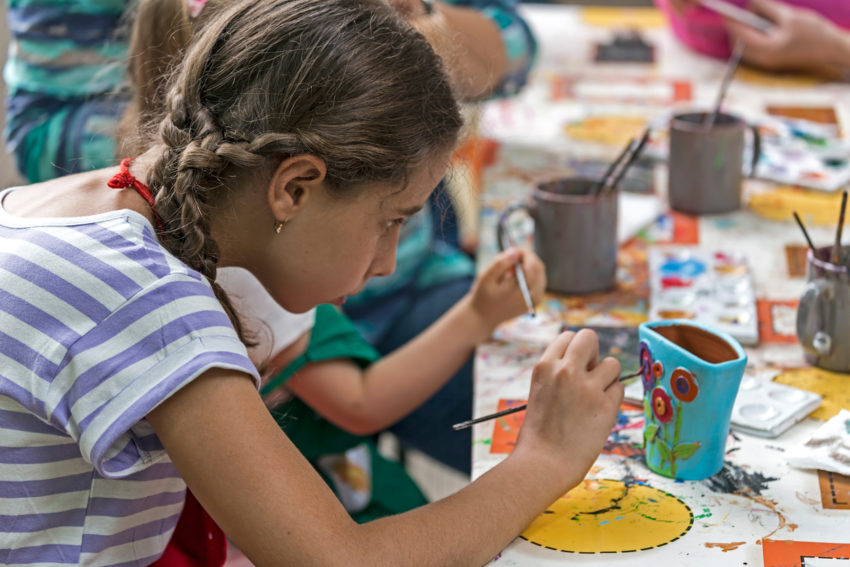
A new method is emerging to help children heal from trauma – art therapy. More mental health clinics, like the Children’s Bereavement Center of South Texas, are beginning to use art to help children with the healing process. Mental health professionals hope that art therapy can help children process adverse childhood experiences (ACEs), which is growing to be a public health crisis. “Art therapy helps one process emotions and feelings that one is struggling with, so that he or she can begin healing,” said art therapist Savita Jakhar Gandash, according to The Interview Portal. Read about what art therapy is and how Latino children can heal from ACEs and trauma.
What is Art Therapy?
Art therapy is a mental health service that utilizes creativity to help people resolve ...
Today, U.S. Surgeon General Dr. Vivek Murthy issued his first public advisory of the Biden Administration to warn Americans about health misinformation. Health misinformation is threatening U.S. response to COVID-19, preventing Americans from getting vaccinated, and prolonging the pandemic. Misinformation about COVID-19 and vaccines also often targets Latino and Black communities, which have been disproportionately affected by COVID-19 and have low rates of vaccine uptake. "Health misinformation is an urgent threat to public health. It can cause confusion, sow mistrust, and undermine public health efforts, including our ongoing work to end the COVID-19 pandemic," Murthy said in a press release about the advisory. "My job is to help people stay safe and healthy, and without ...