This is part of the "Advancing the Science of Cancer in Latinos: 2022 Conference Proceedings," which summarizes findings and discussions of the 2022 Advancing the Science of Cancer in Latinos Conference on Feb. 23-25, 2022, in San Antonio, Texas.
Updates in Genomics of Breast Cancer among Latina Women
Dr. Elad Ziv is a Professor of Medicine at the University of California San Francisco (UCSF), with a research focus on human genetics of cancer susceptibility and hematological traits. Genomics explained To set the stage for his presentation, Dr. Ziv explained genomics in a lay-friendly way, describing it as a long series of letters. A change of one letter in this series, from an A to a G for example, can lead to anything from a change in height to a disease susceptibility. Not ...
This is part of the "Advancing the Science of Cancer in Latinos: 2022 Conference Proceedings," which summarizes findings and discussions of the 2022 Advancing the Science of Cancer in Latinos Conference on Feb. 23-25, 2022, in San Antonio, Texas.
Addressing Systemic Inequities and Structural Racism to Advance Health Equity for Latinos
Dr. Marcella Nunez-Smith is an internal medicine physician, the Associate Dean for Health Equity Research at Yale School of Medicine, and the Associate Director for Community Outreach and Engagement at the Cancer Center. Dr. Nunez-Smith served as chair of the Presidential COVID-19 Health Equity Task Force, and is one of the nation's foremost experts on disparities in healthcare access. Health Disparities Affecting Marginalized Communities Dr. ...
Latinos and other people of color face heavy burdens of cancer, diabetes, and more. These disparities are driven by systemic racism and discrimination that make it harder for people of color than their White peers to get equitable healthcare, education, and more. That is why Salud America! at UT Health San Antonio is a part of the Collaborative for Anti-Racism and Equity (CARE), a group that provides tools and resources to help people make connections and inform solutions to advance health and racial equity. As part of this group, we are excited to share a new case study from the Greensboro Health Disparities Collaborative (GHDC). The GHDC – a group of community leaders, advocates, public health researchers, and healthcare professionals – resolved racial disparities in ...
What’s the deal with COVID-19? Is the pandemic really over? Or should we brace for another wave of the coronavirus as winter approaches? While the number of cases, deaths, and hospitalizations from the virus are currently trending downward, there are still more than 100,00 new cases being reported by the Centers for Disease Control & Prevention (CDC) on some days. There are also days where more than 700 people have died from the virus. So, it’s still “COVID” out there, even though the “weather” has generally improved since the initial outbreak, which took a heavy toll on Latinos. There’s no crystal ball that can tell us the future, but public health leaders and data provide some insight as to just how “COVID” it will be this winter.
Yes, There Could Be ...
Alzheimer’s patients and their loved ones have new reason for hope after positive results from clinical trial of a new treatment called lecanemab. Lecanemab – a drug designed to slow the progression of Alzheimer’s disease by targeting amyloid plaque buildup in the brain – reduced the progression of cognitive decline among trial participants by 27% over 18 months, compared to placebo, according to UsAgainstAlzheimers. “This is very important and quite positive news that gives our nation’s 6 million Alzheimer’s patients and their loved ones reason to hope again. In fact, the data is a reminder that each drug in this class of therapies is quite different,” said George Vradenburg, chair and co-founder of UsAgainstAlzheimers. What do the results show, and how will ...
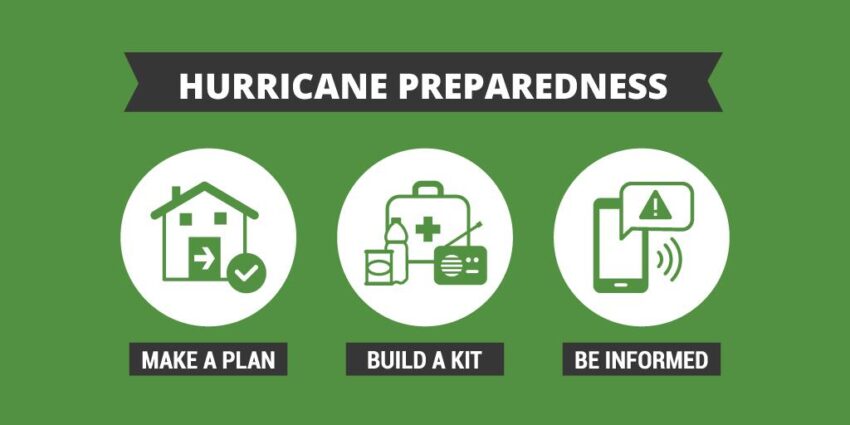
Hurricanes are one of mother nature’s most dangerous forces, causing flooding, heavy rainfall, high winds, and even tornados. Some hurricanes, including Hurricane Harvey (2017), Hurricane Katrina (2005), and Hurricane Sandy (2012) are infamous for destroying communities and entire cities, leaving many survivors without homes or possessions. Because hurricanes can be so destructive, it’s important to prepare in case one hits your area. Latinos, here’s everything you need to know about hurricane safety.
When is Hurricane Season?
Hurricane season varies depending on where you live in the United States. The hurricane season for the Eastern Pacific region, including California (40.2% Latino), lasts from May 15 – November 30. The Atlantic hurricane season, including ...
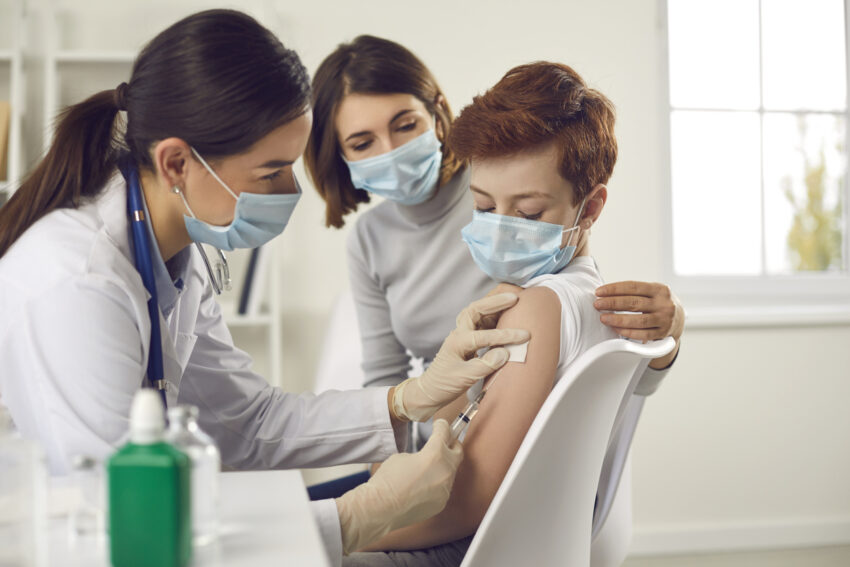
It’s that time of year again! Summer is ending and children are returning to school. Just as you prepare your child for the upcoming school year with school supplies, consider preparing them for a healthier life free from Human Papillomavirus (HPV)-related cancers with an HPV vaccine. Now is the perfect time to schedule your child’s annual wellness visit to receive the vaccine – before life gets hectic again.
What is HPV?
HPV is short for human papillomavirus. There are many types of HPVs, some of which can be sexually transmitted and cause cancer later in life, according to the American Cancer Society. HPV is the most common sexually transmitted infection in the US. HPV is so common that almost every sexually active person will get HPV at some point in their lives if ...
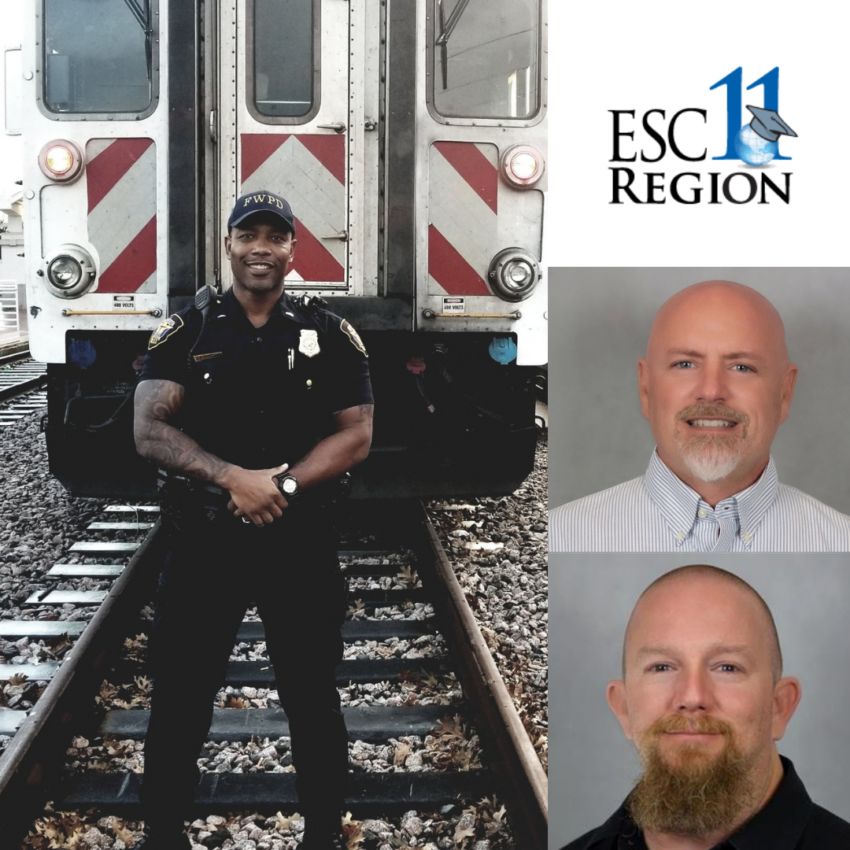
As a child, A.J. Williams was exposed to domestic violence. Now a police officer in Fort Worth, Texas, Williams is making sure children like him are getting the support they need in school through the Handle With Care program, where police notify schools when they encounter children at a traumatic scene, so schools can provide support the next day. After COVID-19 derailed an idea to team up Fort Worth police and schools for a local Handle With Care program, Williams reinitiated plans with help from a Handle With Care action pack from Salud America! at UT Health San Antonio. He trained police and school leaders about the program and brought regional education leaders to the table who helped create a region-wide notification system. Now police departments and schools in the ...
Research suggests that Latinos are more likely to live near Superfund sites with contaminated drinking water, increasing risks for adverse health effects. This health inequity contributes to a larger issue of Latinos generally having less access to clean, safe drinking water in the US. Join us as Salud America! explores this health disparity through a three-part series on Latino drinking water contamination. Part 1 focused on nitrates in drinking water, how prevalent nitrate-contaminated drinking water is in Latino communities, and how the nation is promoting safer water for Latinos and all people. Today, in Part 2, we will address contaminated drinking water at Superfund sites, its impact on Latinos, and current efforts to promote safer drinking water in these ...