A Summer 3 on 3 Throwdown basketball tournament, hosted byThe Dignowity Hill Neighborhood Association in Eastside San Antonio, TX is one of many initiatives to revitalize a neglected neighborhood. In addition to the physical activity itself, the goal of the tournament is to get kids off the street and bring the community together. It is a precursor to a Midnight Basketball league, which began in 2012 with the Eastside Promise Neighborhood Grant and was recently expanded. In a city (63.2% Latino) home to the NBA's All-Time Winningest Team-San Antonio SPURS-basketball could serve as a culturally relevant vehicle to keep kids active and healthy, as well as off the street. Therefore, access to safe parks with basketball courts is crucial. However, the two parks in Dignowity Hill ...
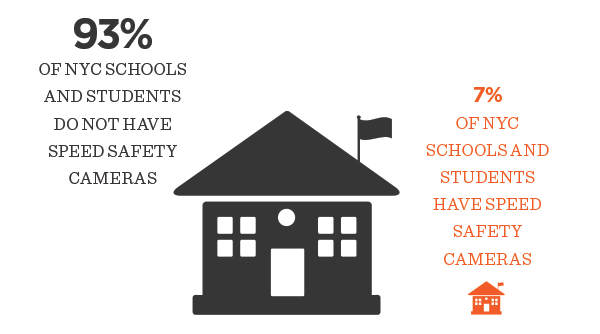
Speeding is the number one cause of traffic fatalities in New York. The most common cause of death for kids in New York City, outside of illnesses, is traffic crashes. “Right now we only have 140 speed cameras to protect 1.1 million public school students, and those cameras only work 60 hours a week – even though 85% of injuries and deaths happen on streets and during times when speed cameras are not authorized to issue violations,” said Paul Steely White, Executive Director of Transportation Alternatives. “Every child in New York City deserves to be safe on the way to school.” Transportation Alternatives and Families for Safe Streets, a group of New Yorkers who have lost loved ones or been injured in traffic crashes started a new campaign to bring awareness to traffic ...
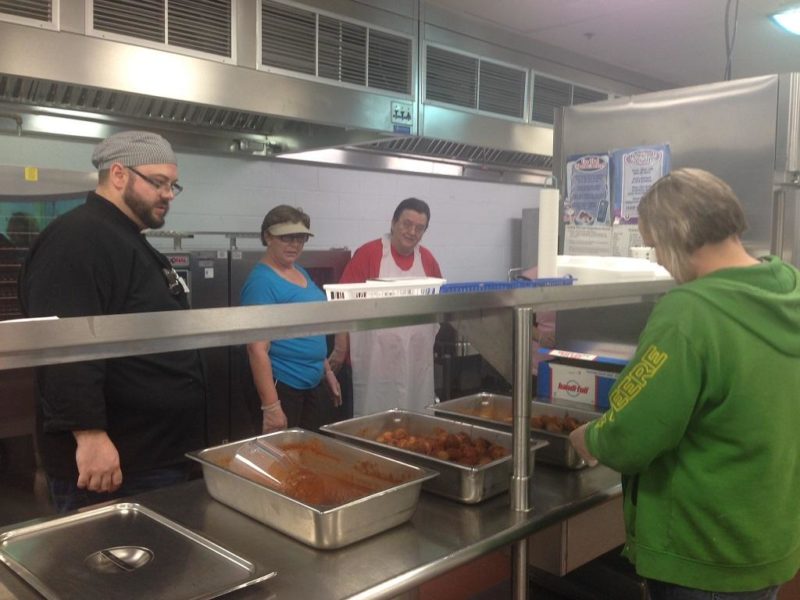
Schools across eight Kentucky counties now get to enjoy fresh food from local farmers in their school lunches. The counties involved are Grayson, Boyle, Clark, Oldham, Harlan, Martin, Morgan and Pike. All are now part of the new initiative for healthier and tastier school lunches. Chefs worked with local food service staff in March to launch the "Chefs in Schools Collaborative", where six schools were trained with local Chefs to come up with their own way of spicing up traditional fairs like tacos and meatballs. Kristy Hodges, the school district food service director has worked with Chef Chris Byrd to create lunches that include produce from local farms and are lower in sodium, less processed and use more natural seasonings. According to Hodges, as stated in a ...
In nearly every community across the country, the Affordable Care Act (ACA) is working to increase access to affordable, quality health care. For Latinos, an estimated 8 in 10 who were previously uninsured qualified for Medicaid, the Children’s Health Insurance Plan (CHIP), or lower costs on monthly premiums through the Health Insurance Marketplace. To date, over 4 million Latinos (ages 18-64) have gained health coverage, lowering the overall uninsured rate among Latinos by nearly 8%. Also, over 913,000 Latino adults 19-26, who would have previously been uninsured, now have coverage under their parents’ plans. Getting health insurance is an important first step for overall better health. Once you have your coverage, how do you make it “work” for you? The U.S. Centers for ...
Southern California schools are about to get help and funding from an unexpected source, a local grocery store. According to a recent article, the ALDI grocery store has recently partnered with Action for Healthy Kids (AFHK) to invest in 15 Southern California area schools to improve overall wellness environments through grants and technical assistance for the 2015 to 2016 school year. The investment from ALDI of $175,000 will go towards helping the schools expand and implement school wellness programs like AFHK's Game On program, and engage community members, parents and ALDI employees to promote wellness at school and home environments. In 2011, the company helped schools through partnering with AFHK in Chicago and hopes to continue to expand and benefit the more than 11,000 ...
A new study from researchers from the University of Adelaide studied over four hundred South Australian children ages 9 to 10 in various socioeconomic status and found that 91 % of students were missing daily recommended amounts of vegetables. The study also found that intake of sodium, sugar and saturated fat were excessive, which can lead to diet-related health risks. The researchers suggested that parents swap out nutrient-poor foods that are high in fat, sugar or salt for healthier fresh foods like high-fiber fruits and or vegetables, noting that these small changes are important as daily eating habits can be taken into adulthood. To learn more about this study, click here. Copy & Share on Twitter: What future habits might you be packing in your kid's lunch? ...
Austin, Texas (34.83% Latino population) is one of the fastest growing cities in the United States. It is a rich and diverse city, complete with a thriving economy that has attracted a large number of new residents. According to data from the Internal Revenue Service, the total household income these new residents bring is $2,359,803,000. With this new growth comes changes; for many long-time residents of the city, these changes have them concerned. A local community group is now looking to bring light to the challenges faced by the city’s established Latino community. Gilbert Rivera is a longtime East Austin resident and president of the Rosewood Neighborhood Contact Team, a group of residents and property owners in the Rosewood neighborhood of Austin invested in the development and ...
A new proposed ordinance for all food establishments to offer water and milk as default beverages on kids menus is being discussed among the Chula Vista City Council. The new ordinance is a joint effort between city staff members, the San Diego County Childhood Obesity Initiative, Community Health Improvement Partners and the California Center for Public Health Advocacy in hopes to decrease childhood obesity. A districtwide survey of student's height and weight in 2010 had found that 39.8 percent of students in the survey were overweight or obese. However, recent efforts to decrease childhood obesity by increasing physical activity in schools , revamping wellness policies, making healthy fundraising changes, ending unhealthy school snacks and removing chocolate milk from the lunch ...
Working together to discuss actions to reduce obesity in children and adolescents, the Pan American Health Organization/World Health Organization (PAHO/WHO) hosted a roundtable discussion with government representatives, nongovernmental organizations and private sector groups. The discussion focused on the Plan of Action for the Prevention of Obesity in Children and Adolescents, drawing on actions to help healthier options become the easier options. A few key points discussed were taxes on sugary beverages and junk foods, protecting children from unhealthy marketing, and food labeling, along with policy and programs for healthier foods and water access for schools and increased physical activity in schools. To see all groups and participants involved, click here. Copy & ...