According to the National Center for Complementary and Integrative Health (NCCIH) and the Centers for Disease Control and Prevention (CDC), nearly 60 million Americans spend over $30 billion out of pocket on complementary health approaches. Complementary health approaches are medical and health care systems, practices, and products that originated outside of mainstream medicine. These include techniques performed by a practitioner (such as acupuncture, spinal manipulation, and massage therapy) and natural products (such as herbs, probiotics, and fish oil). Some approaches, including acupuncture and yoga, originated in Eastern countries such as China or India but are now used in Western countries as well. According to research by the National Center for Biotechnology Information ...
Do you know how many calories are in your favorite hamburger, candy or blended coffee drink? Two marketing students who met studying at Miami Ad School in Madrid are attracting more than 80,000 followers on their Instagram account that puts calories in the spotlight on different junk food products. The photos on their Instagram account called, Caloriebrands, have gone "viral" according to the recent article, where student Alessia Mordini explained that they wanted to help change bad habits around junk food. Photos on the account show popular American food products with actual calorie counts on the front in big bold letters. Images like pancakes are on the site, shown to have 3,155 calories, much more than a daily amount of calories, or a package of cookies labeled at 1,843 ...
According to a recent article from Prevent Obesity, San Francisco city has taken the healthier food movement to a new level by adopting a new ordinance that ensures healthier foods are found in city property vending machines and during city meetings and events. The new ordinance requires that all prepackaged food sold in vending machines meet calorie labeling requirements and nutritional standards. Foods sold in vending machines on city property per serving must be no more than 200 calories, less than one gram of saturated fat, no more than 35% of calories from fat and have no trans fat or partially hydrogenated oil. Sodium and sugar guidelines are also detailed as well as opting out of all candy except for sugar-free mints and gum. Beverages must also follow nutritional standards ...
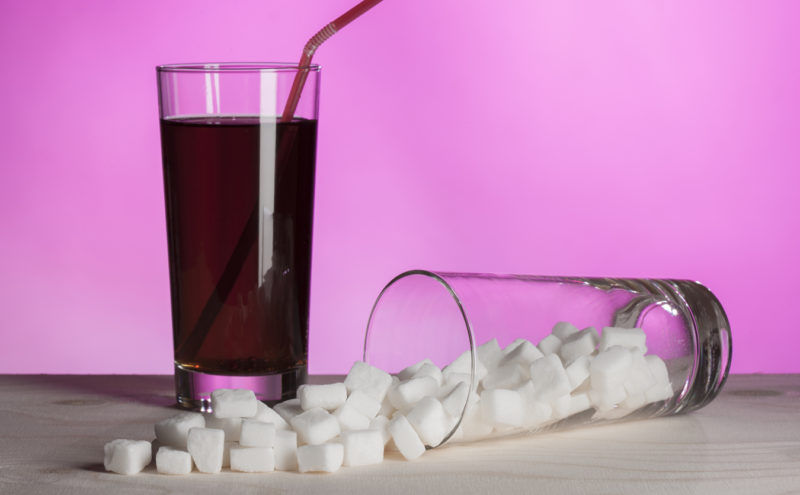
Two years ago San Francisco, Calif. tried to put a two-cents-per-ounce tax on sugary beverages, the proposal failed at 54.4% of the vote falling short, now trying again the proposal looks at a penny per ounce tax with proceeds going towards health programs. The proposal for the new tax was set to be placed on the ballot last month, but signatures were turned into late, according to a recent article. A warning label law on the health risks associated with consumption of soda is still being considered in San Francisco as well. Advocates of these new efforts towards soda tax laws reveal the evidence to their communities and council members of the high amounts of sugar in many soda or sweet drinks, which have no nutritional value, are the leading causes of diabetes and obesity among ...
When communities consider projects to reduce crime, promoting green space is gaining popularity. And credibility. There is evidence that vacant lots play a role in the health and safety of nearby residents. Although the specific mechanism by which green space-trees, shrubs, and lawns-affects behavior is unclear, adding green space to vacant or blighted areas is linked to reduced crime. It may be through the "broken windows" theory, the "cues to care" theory or through informal surveillance of having more "eyes on the street," a concept developed by Jane Jacobs. In 2010 the city of Youngstown, Ohio (9.3% Latino) launched a program to transform vacant areas, which was about 31% of the city's land area. Contractors were hired to transform some vacant lots through mowing and ...
Earlier this month, at the close of the legislative session, Minnesota Gov. Mark Dayton signed into law a supplementary spending plan that includes $35 million in one-time funding for programs that help reduce racial and ethnic economic and educational disparities. The legislature agreed to a continued $17.5 million in annual funding going forward. The majority of the funds ($34 million) will be managed by Minnesota’s Department of Employment and Economic Development (DEED). The agency will distribute grant funding to over 30 organizations and nonprofit groups in the state. These groups include Hennepin County’s Career Connections Pathways, the White Earth Nation Business Development, and the Latino nonprofit group CLUES. Many of the grants will be used to help expand access to ...
In response to consistent misidentification of minority-majority neighborhoods in Dallas by local media, Lizzie MacWillie, senior design manager at buildingcommunityWORKSHOP (bc), a nonprofit community design center, launched an effort to get Dallas residents (42.4% Latino) to draw maps of their neighborhoods. In the current national political climate-Clinton and Trump-neighborhood politics tends to fall by the wayside; however, neighborhood organization and advocacy is incredibly powerful. "Neighborhoods are the smallest organizing element in any city," MacWillie said. "A strong city is made up of strong neighborhoods, where the residents can effectively advocate for their needs." In order for residents to effectively advocate and shape their neighborhood's future, they must ...
The new 1.5-cent tax per ounce on sugary and diet beverages in Philadelphia is official, as Mayor Kenny signed the bill into action on Monday, June 20th at City Hall. The taxes will not include baby formula and beverages more than 50 % fresh fruit/vegetables or milk, or are considered "medical foods", but will include artificially sweetened waters and bottled coffees. The new tax is projected to raise over 90 million dollars a year to help expand the city's pre-k and improve health through community and school efforts. The next step is implementing the law with retailers and distributors in January and collecting taxes. Payments of the taxes from distributors to the city taxes will start in mid-February, reported Deputy Revenue Commissioner Marisa Waxman to The ...
The City Council of Stockton, California (32.5% Latino) has unanimously passed a new ordinance to reduce sugary beverage consumption among kids. The ordinance will require all restaurants in the city that offer kids meals to offer water and low-fat milk as the only default beverages. Cities across the country, in Davis, Calif, Philly, Illi., Denver, Colo., Virginia and more, are working on reducing sugary beverage consumption among kids and teens, as soda's and energy drinks with high sugar content have been shown to be the products that contribute most to added sugars in a child's daily diet. Research shows that about 74% of Latinos have had a sugary drink by age two. Having measures that reduce sugar consumptions at early ages of childhood, may help the healthy choice become ...