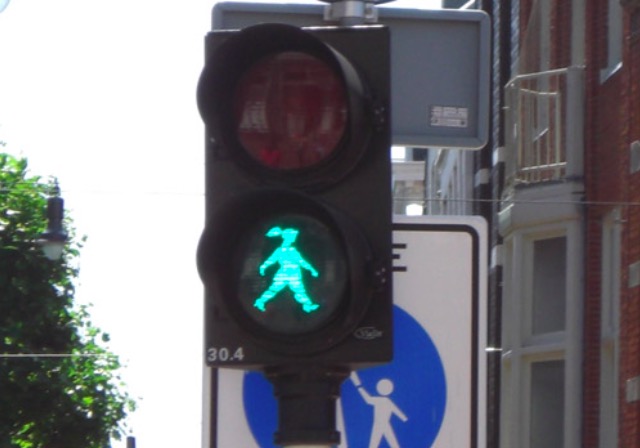
The public domain has been long dominated by men, while the private domain is left for women. (nowhere, except Target bathrooms, is inclusive of individuals who identify otherwise.) In 2004, Maya Barkai began collecting images of crosswalk light symbols from cities around the world, which turned into the project "Walking Men Worldwide." Only about 10 out 180 symbols are gendered female. "Creating female crosswalk icons — even if it requires us to use imperfect, clichéd markers of femininity — is inherently valuable because it challenges the male-centeredness of our public space," according to one source. In the spirit of inclusivity, some would argue that creating male-female gender binaries is not the solution, because it excludes trans and gender nonconforming people. ...
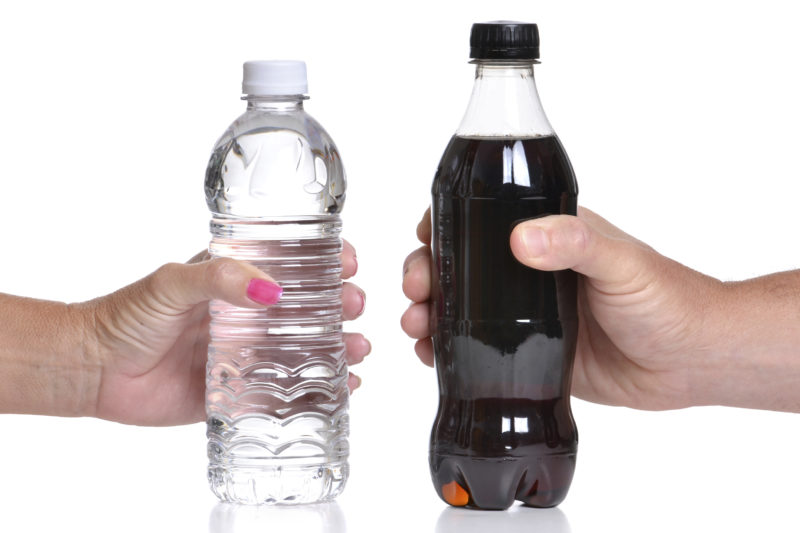
The Mayor of Evanston, Elizabeth Tisdahl along with the local health department officials, kicked off the "Rethink Your Drink" challenge today, which encourages consumers to think about the sugar content in the beverages they consume on a daily basis. The goal of the campaign is to help people understand the importance of drinking more water and less sugary sweetened beverages as research has shown brings greater risks to consumers for heart disease, type two diabetes, and obesity. Health and Human Services Director, Evonda Thomas-Smith, doctors and local cardiologist Timothy Sanborn were among those encouraging citizens to drinks more water, and pledge to consider drinking only water for the next thirty days. Officials also passed out pledge cards and asked all attending to ...
For many low-income Americans, the place they call home is literally a matter of life or death. A report from The New York Times found that low-income individuals in major cities, such as New York (29% Latino population) and Los Angeles (49% Latino population), and in smaller ones, such as Birmingham, Ala. (3.52% Latino population), live nearly as long as their middle-class neighbors or have seen a rising life expectancy. In parts of the country where adults with the lowest incomes, these individuals die on average as young as people in much poorer nations such as Rwanda and their life spans are getting shorter. Of the more than 13.4 million families with children living on incomes less than 200 percent of the federal poverty level, nearly 30% are Latino. A report by the National ...
Working to make the healthy choice the easy choice, the School Health Initiative Program (SHIP) is activating kids in schools through fun activities and challenges for students to be active and eat healthily. On April 23rd, 2016, students from the Williamsburg-James City County Schools (WJCC) participated in a 5K and also led demonstrations in karate, yoga, hip-hop, and ballet. SHIP also provided farmers market attendees samples of the latest school foods being served up in the WJCC schools. SHIP is funded by the Williamsburg Health Foundation and works in partnership with WJCC schools to create and serve healthy recipes to kids in schools and keep kids active. To learn more about this change, click here. Copy & Share on Twitter: SHIP shows students in VA that active ...
Ridesharing transportation service applications (or “apps”) such as Uber and Lyft have revolutionized the way people connect and navigate the urban landscapes of the country. According to a study by the Center for American Progress, the apps have proven to be a great resource for many individuals without access to a vehicle or easy access to public transportation needed for employment, for medical care, for child care, or a multitude of any services and needs. In 2014, more than 2,100 public transit operators provided 10.5 billion unlinked trips and carried passengers more than 57 billion miles. Nationwide, 20% of the households are below the poverty line lack access to a car. Latino households without a car are as high as 25%. As a result of these findings, local leaders and ...
Update from original article from April 8, 2016. Mirroring the penny-per-ounce tax passed in Berkeley, Cali. in 2014, the City Council of Oakland unanimously agreed to place a soda tax on the November ballot. One Councilwoman Annie Campbell Washington who sponsored the recent measure said in a recent news article that she estimates the money raised for Oakland to go to help fund health programs would be in the millions. Berkely has raised thousands of dollars and are already using the funds to support health projects. Much of the community of Oakland has stated that they support the measure, which like Berkeley's tax, allows an advisory group to help recommend which health programs to fund. Copy & Share on Twitter: Oakland ballot to mirror Berkeley's soda tax ...
A recent news article announced that former New York City mayor Michael Bloomberg will help provide financial support the nonprofit Philadelphians for a Fair Future. The Philadelphians for a Fair Future group is currently working on an ad campaign to support a 3 cents per ounce soda tax, which will raise support in the millions for universal pre-k and community schools for parks and library improvements. Other news articles even show a study from Harvard that reports that Philadelphia could save over $190 million in health-care costs if the proposal is passed. The American Beverage Association has spent millions in ads towards Latino kids and has spent millions in working against similar soda tax and labeling proposals across the nation, Research shows that Latino kids are ...
The #ShareACoke campaign is using hit songs to promote their products to Latinos, now marketing groups within public health groups are also sharing the tunes they see big soda promoting. Consuming daily amounts of sugary sweetened beverages have been shown through studies to lead to greater risks for type 2 diabetes, obesity, and other diet-related health risks and are also the number one source of added sugar in the American diet. To raise awareness of the health risks related to consuming sugary beverages like soda, organizations like Berkeley Media Studies Group other health-focused groups are tweeting out on twitter about the truth behind soda consumption, showing how health risks can impact consumers. They are asking all to get involved with the hashtag #ShareACoke and ...
According to a recent article, a 2014 study from Stanford University estimated that restricting sugary beverages from Supplemental Nutrition Assistance Programs (SNAP) may help reduce type 2 diabetes and obesity among Americans receiving the SNAP benefits, keeping as many as 141,000 children and 281,000 adults from becoming obese. Physician Phil Roe is ready to help this happen and has filed a bill that would bar SNAP recipients from using their benefits to buy sodas, energy drinks, candy and other junk foods. After reading a letter from a mother being upset that her Special Supplemental Nutrition Program for Women, Infants, and Children, (WIC) benefits didn't cover her two 12 liter soda bottles of Mountain dew, Roe told local news that he doesn't care what people buy, but stated ...