Obesity is one of the biggest modifiable risk factors for cancer, diabetes, hypertension, and sleep apnea. It’s also plaguing the health of Americans, especially people living in rural or overlooked communities, such as Latinos. Latinos continue to be affected by obesity with a prevalence of 35% or higher in Latino adults living in 34 US states and territories, according to updated data from the Centers for Disease Control and Prevention (CDC). Let’s dive into the new statistics on adult obesity in the US, what’s driving it, and what interventions can help address it.
Adult Obesity
All states and territories in the US had an obesity prevalence higher than 20% in 2023, which is the equivalent of 1 in 5 US adults, according to the CDC. The highest obesity ...
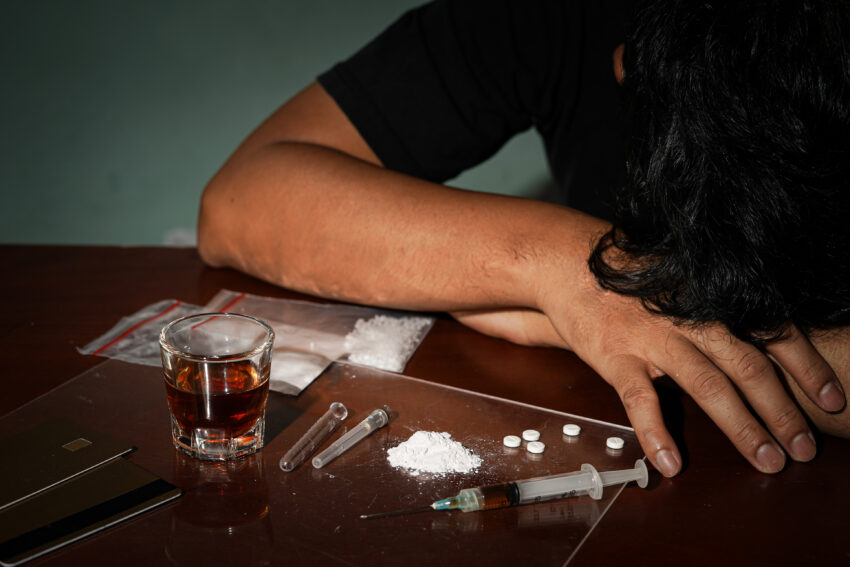
Drug misuse continues to be a pervasive problem in the US.
Use of illicit drugs can have disastrous health consequences, especially for vulnerable populations like Latinos, and can lead to premature death.
While there are methods to combat addiction, lack of information, lack of insurance, and less access to treatment facilities can get in the way of seeking treatment.
The Department of Health and Human Services (HHS) recently released its annual report on the state of mental health and substance use in the US.
Based on results from the 2023 National Survey on Drug Use and Health, Key Substance Use and Mental Health Indicators in the United States covers mental health and substance use, including tobacco, illicit drugs, and more.
So far, we have covered alcohol, tobacco and vaping, ...
Illicit drug use continues to be a pervasive problem in the US. Use of illicit drugs can have disastrous health consequences, especially for vulnerable populations like Latinos, and can lead to premature death. The Department of Health and Human Services (HHS) recently released its annual report on the state of mental health and substance use in the US. Based on results from the 2023 National Survey on Drug Use and Health, Key Substance Use and Mental Health Indicators in the United States covers mental health and substance use, including tobacco, illicit drugs, and more. So far, we have covered alcohol, tobacco and vaping, and marijuana use among Latinos. In the next part of our series, we’re going to explore the report and find out how using illicit drugs ...
Overuse of drugs, like marijuana, can heighten one’s risk for certain diseases, especially among vulnerable populations such as Latinos. The Department of Health and Human Services (HHS) recently released its annual report on the state of mental health and substance use in the US. Based on results from the 2023 National Survey on Drug Use and Health, Key Substance Use and Mental Health Indicators in the United States covers mental health and substance use, including tobacco, alcohol, illicit drugs, and more. In part three of our series, we’re going to explore the report and find out how the use of marijuana impacts Latinos.
Marijuana Use among Latinos
Marijuana can be consumed in many forms. These include smoking, vaping, dabbing waxes, shatter, or ...
Overuse of alcohol is among the top risk factors for chronic diseases, especially among vulnerable populations such as Latinos. The Department of Health and Human Services (HHS) recently released its annual report on the state of mental health and substance use in the US. Based on results from the 2023 National Survey on Drug Use and Health, Key Substance Use and Mental Health Indicators in the United States covers mental health and substance use, including tobacco, alcohol, illicit drugs, and more. In part two of our series, we’re going to explore the report and find out how consumption of alcohol impacts Latinos and all people.
Alcohol Use among Latinos
Alcohol consumption and overuse is still a pervasive problem with a reported 134.7 million alcohol users aged ...
Use of tobacco is one of the biggest modifiable risk factors for major and chronic diseases. The prolonged use or overuse of tobacco and nicotine continues to wreak havoc on populations, especially vulnerable populations such as Latinos, putting them at higher risk for these diseases. The Department of Health and Human Services (HHS) recently released its annual report on the state of mental health and substance use in the US. Based on results from the 2023 National Survey on Drug Use and Health, Key Substance Use and Mental Health Indicators in the United States covers mental health and substance use, including tobacco, alcohol, illicit drugs, and more. In part one of our series, we’re going to explore the report and find out how using tobacco and nicotine ...
Mistreatment based on background and unfair treatment are among Latinos’ biggest challenges to healthcare. Driven by years of mistreatment, Latinos and other vulnerable groups face challenges in care and mistrust of the healthcare system. This prompts reluctance to receive life-saving care or health screenings. Putting off care can result in a delayed diagnosis and prolonged and more expensive medical treatment for chronic diseases, such as cancer, leading to worse health outcomes. But how widespread is mistreatment in healthcare? Doctors are more likely to use negative language when referencing Black and Latino patients in medical records, according to a new study in JMIR Medical Informatics. Let’s unpack the study and the meaning behind the results. ...
Cancer continues to be a leading cause of death in Latinos. Long-standing mistreatment of vulnerable populations have led to a higher exposure to risk factors for cancer, such as obesity, diabetes, and stress. These risk factors are compounded by the non-medical drivers of health (NMDoH) such as access to healthy foods, transportation, and health insurance that many Latinos face, making it difficult to seek healthcare, culminating in worse health outcomes. Another big factor is driving worse health for Latinos – a lack of preventative care. 64% of Latinos skipped recommended health screenings, such as colonoscopies, pap smears, mammograms, and more, according to a news release about the second annual Wellness Matters Survey published by Aflac. Let’s ...
Latinos and other group that experience health differences are frequently left out in spine pain clinical trials, according to an analysis from eight randomized controlled trials (RCTs). The study, published by National Institute of Health and funded by the National Center for Complimentary and Integrative Health, found a lack of participation among vulnerable populations and other overlooked groups. Let’s look further into the data and how it impacts Latinos.
Participation in Clinical Trials on Spinal Pain
The analysis points out that, while RCTs are considered the gold standard study design for evaluating treatment effectiveness, they can suffer from generalizability issues. In other words, the findings of these studies can’t be generalized to the U.S. population because ...