You don’t have to stop smoking in one day. Start with Day 1. On Thursday, Nov. 17, 2022, you can join thousands of people who will begin their smoke-free journey with the Great American Smokeout. This annual event from the American Cancer Society encourages smokers to make a plan to stop smoking. Need help? Enroll in Quitxt, a free English or Spanish text-message service that turns your phone into a personal “quit smoking” coach from UT Health San Antonio. To join Quitxt, text “iquit” (for English) or “lodejo” (for Spanish) to 844-332-2058. “For the Great American Smokeout, we’re excited to share Quitxt to provide real-time help with motivation to quit, setting a quit date, handling stress, and much more, all on your phone,” said Dr. Amelie G. Ramirez, ...
How does COVID-19 affect the brain? Researchers at the Biggs Institute for Alzheimer’s & Neurodegenerative Diseases at UT Health San Antonio are looking for the answer and need your help. Volunteer for the 7T MRI Study of How COVID-19 Affects the Brain! Study volunteers will get an advanced state-of-the-art MRI scan to compare brain imaging of those recovered from COVID-19 to those who have never tested positive for the infection. “This study is to identify the long-term neurological and psychiatric effects of a COVID-19 infection,” according to the Biggs Institute study team, including Drs. Mitzi Gonzales, Gabriel de Erausquin, Sudha Seshadri, Monica Goss, and Mohamed Habes. To volunteer for the 7T MRI Study, contact Vibhuti Patel (210-450-7186), Erin ...
COVID-19. Monkeypox. Inflation. The housing crisis. Student debt. Climate change. There’s a lot going on. It’s understandable why young people are stressed “basically at all times.” Unfortunately, many believe the future may not be much better for young people. More than half of Americans agree that young people today are unlikely to have a better standard of living than their parents, according to a new poll from the University of Chicago Harris School of Public Policy and The Associated Press-NORC Center for Public Affairs Research. A better standard of living includes having the financial means to comfortably raise a family and own a home, but these goals have gotten harder to achieve with the rising cost of living and housing. Add the student loan debt crisis, ...
Many germs, especially bacteria, normally live and grow on healthy skin and usually do not cause harm. In fact, our skin is a reservoir for germs – a place where germs live and thrive. However, some germs on your skin, such as certain types of Strep and Staph bacteria, can cause bad infections if they enter the body. Because germs are everywhere, it’s important to understand the ways that germs can spread from our skin and cause infections.
Germs Spread Through Touch
Your skin interacts with the environment around you every day, mostly through your hands, because we use them so much. Germs on your skin, especially on your hands, can spread to surfaces and patients through touch. In the same way, you can pick up germs from contaminated surfaces and patients and spread ...
It seems that since the outbreak of the COVID-19 pandemic, we’ve been living in stressful, uncertain times. COVID-19 variants continue to emerge, and other infectious diseases, such as monkeypox, are also wreaking havoc on populations. In summer 2022, inflation reached record-high levels not seen since 1981, and the housing market continues to see rising interest rates that push many buyers, including Gen Z and Millennials, out of the market. Russia’s invasion of Ukraine has also sent shock waves of worry through countries all over the world. With so much going on, where do Gen Z and Millennials’ wellbeing stand? What is their greatest concern? A recent global report by Deloitte provides some answers.
Who Are Gen Z and Millennials?
As defined in the report, Gen Z ...
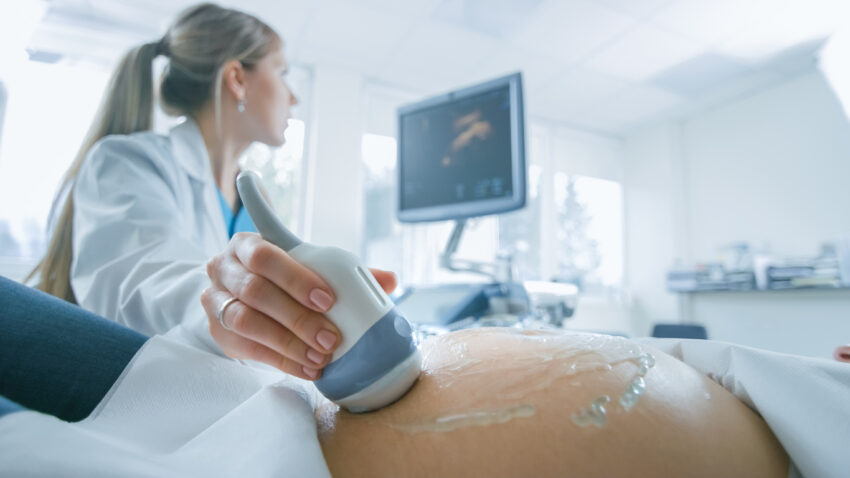
Maternity care deserts make up 36% of all US counties, according a 2022 March of Dimes report. These maternity care deserts contribute to the US having the highest maternal mortality rate among developed countries, as they make it significantly harder for women to get the care they need. Let’s explore how maternity care deserts affect women’s health, especially for Latinas, who already face inequities that limit healthcare access.
Defining Access to Maternity Care
The March of Dimes report defines a maternity care desert as any county without a hospital or birth center offering obstetric (OB) care and without any OB providers, such as obstetrician/gynecologists and certified nurse midwives/certified midwives.
Report’s Key Findings on Maternity Care Deserts
As mentioned ...
TV personality Oprah Winfrey has selected Dr. Amelie Ramirez of UT Health San Antonio as a "Cycle Breaker" for her groundbreaking work to build health. Cycle Breakers is a video series from the Smithsonian Channel that spotlights leaders who are solving health issues. Each Cycle Breaker is chosen by Oprah to augment her documentary that chronicles how some people are suffering from substandard healthcare. Ramirez's episode, released Oct. 3, 2022, features her life's work to break the cycles of difficulties and non-medical drivers of health that impact people. "Cycles are tough to break. Amelie Ramirez is the driving force behind an innovative health program that’s delivering real information & changing perspectives within the healthcare industry," according to the ...
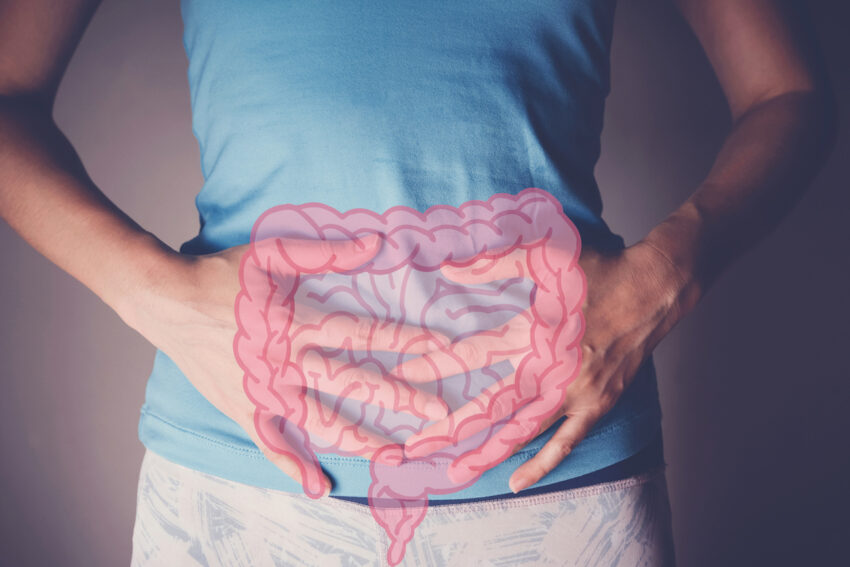
Two reservoirs where germs can live and thrive in the human body are your blood and gastrointestinal (GI) system. When germs spread from these reservoirs in or outside your body, it can cause harm and make you or others sick.
What is the Gastrointestinal System?
The gastrointestinal system or “the gut” usually refers to the lower intestine, rectum, and anus. It is part of the digestive system. The upper GI tract, which includes the mouth, esophagus, and stomach, is also part of the digestive system. It has different types of bacteria and fungi that we usually think about separately from the gut. The intestines are filled with bacteria and some yeasts that are an important part of a healthy immune system. Most gut bacteria don’t cause problems in healthy people, but ...
The nation’s largest food and drink companies are “not making adequate progress” on their promises to make, market, and sell healthy food and drinks, according to the the U.S. Access to Nutrition Index 2022. The index, published by the Access to Nutrition Initiative (ATNI), evaluates the companies’ on the healthiness of their products and their nutrition-related commitments, policies, and disclosures. None of the 11 largest companies had more than 49% of sales from healthier products. “While all companies have placed a greater focus on nutrition in their corporate strategies since the first index was released in 2018, their actual products have not become healthier, and they are not making sufficient efforts to safeguard children from the marketing of unhealthy ...