We feel a special motivation to communicate on this blog and on social media to spotlight the causes of unhealthy weight and disease among Latino families. That way, we can help pave way for culturally relevant solutions. We're excited to announce our efforts have won three Digital Health Awards from the Health Information Resource Center. The Center is a national clearinghouse for professionals who work in consumer health fields that recognizes the world's best digital health resources. Merit, Website, Salud America! advocacy website (now salud-america.org).
Merit, Facebook, @SaludAmerica on Facebook
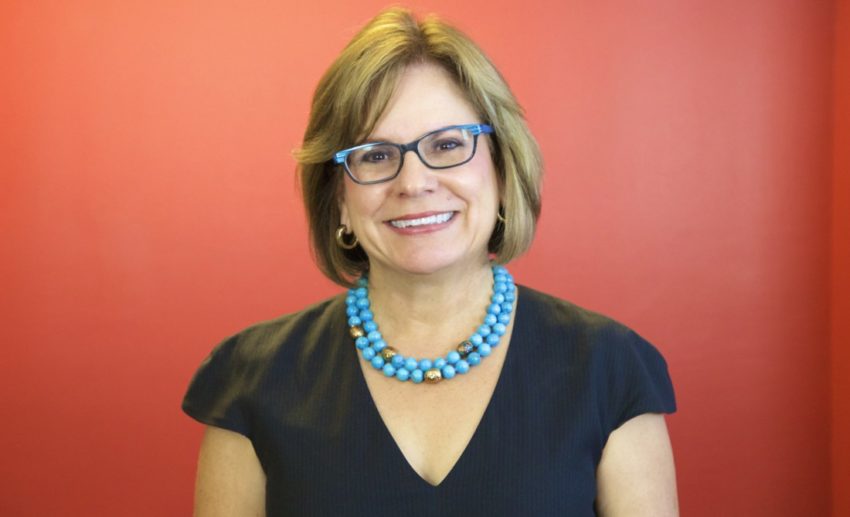
Merit, Twitter, @SaludAmerica on Twitter Salud America! is led by Dr. Amelie G. Ramirez, director of the Institute for Health Promotion Research (IHPR) at UT Health San ...
We believe in grassroots changes that help families have healthy lives. That's why we at Salud America! at UT Health San Antonio are proud to partner with Univision for a campaign to promote healthy change in San Antonio. The campaign will periodically feature our heroes of change on Univision 41's afternoon news and mid-day digital broadcasts, Edicion Digital. These San Antonio heroes of change, who we call Salud Heroes, are adding fruits and veggies to corner stores, creating community gardens, launching fitness programs in parks, and promoting water over sugary drinks. Our first Univision 41 segment in May 2017 featured the amazing Baby Cafe in San Antonio, which provides support and peer networking for Latina and all moms who breastfeed their babies. The hashtag ...
We at Salud America! care about improving Latino health. That’s why we're excited to announce we have won three Communicator Awards for our efforts to promote awareness of and solutions to Latino health issues! 2017 Communicator Award of Excellence, Content & Marketing Campaign—Branded Social Campaign, Salud America! Latino Health Campaign
2017 Communicator Award of Distinction, Website (Health), Salud America!
2017 Communicator Award of Distinction, Copy or Writing for Websites, Salud America! Communicator Awards, presented by the Academy of Interactive and Visual Arts, honor international marketing and communications that "transcends innovation and craft" and made a "lasting impact." Salud America! is led by Dr. Amelie G. Ramirez, professor and director ...
We at Salud America! want to share how to improve health for all people. That’s why we're excited to announce we have won three Communicator Awards for our efforts to promote awareness of and solutions to health issues! 2017 Communicator Award of Excellence, Content & Marketing Campaign—Branded Social Campaign, Salud America! Health Campaign
2017 Communicator Award of Distinction, Website (Health), Salud America!
2017 Communicator Award of Distinction, Copy or Writing for Websites, Salud America! Communicator Awards, presented by the Academy of Interactive and Visual Arts, honor international marketing and communications that "transcends innovation and craft" and made a "lasting impact." Salud America!, formerly called SaludToday, is led by Dr. Amelie G. ...
The Salud America! national Latino childhood obesity prevention program has received a one-year, $1.5 million grant from the Robert Wood Johnson Foundation (RWJF) to empower people to work for policy changes to help Latino children grow up healthy. Salud America!, established in 2007 and based at UT Health San Antonio, has a national online network of 100,000 parents, health providers, and school and community leaders who support its mission: "Inspire people to drive community change for the health of Latino and all kids." The new funding will allow Salud America! to expand its network and engage members with enhanced educational content—multimedia role model stories, social media events, online resources, digital action campaigns, and marketing—geared toward healthy ...
YOU are the reason we are so thankful this Thanksgiving. Thank you for visiting our blog, reading our posts, and most of all for your strong interest in improving Latino health! The Salud America! team, led by Dr. Amelie G. Ramirez of the Institute for Health Promotion Research at The UT Health Science Center at San Antonio, is also thankful for the opportunity to drive messages of healthy change to inspire Latinos across the nation. We're also thankful for some recent recognition from peers. A few weeks ago we were named Best Health Advocate Reaching Latino(a)s Through Social Media by LATISM (Latinos in Social Media), a nonprofit promoting Latino issues. The national Academy of Interactive and Visual Arts also just named us winners of two W³ awards for digital ...
Latino health rules! We're excited to announce we, Salud America! (formerly SaludToday), were named "Best Health Advocate Reaching Latino(a)s Through Social Media" by LATISM (Latinos in Social Media), a nonprofit promoting Latino tech innovation. Salud America! promotes Latino health awareness, stories, and solutions. Our Tweetchat series, #SaludTues at 1 p.m. EST each Tuesday, generates Latino health conversation, problem-solving, and resource-sharing among millions of Twitter users. We were nominated alongside two great organizations, @MinorityHealth and @CuidadodeSalud. "This award is important because it reinforces the importance of reaching Latinos with critical health messages, and recognizes three organizations that are working very hard to do just that," said Dr. ...
Dr. Amelie G. Ramirez, an internationally recognized expert in health disparities research, has received the American Association for Cancer Research (AACR) Distinguished Lecture on the Science of Cancer Health Disparities award. The award, sponsored by Susan G. Komen, honors an investigator with a far-reaching impact on the etiology, detection, diagnosis, treatment or prevention of cancer health disparities. Ramirez is the leader of Salud America! at UT Health San Antonio. Ramirez has more than 30 years of experience developing robust health communication models, research interventions, community outreach, public and scientific speaking engagements, and training of young minds. Her studies and programs have contributed to reduced cancer and disease among Latinos, including ...
Spreading the word about how to improve health for all people, including Latinos, is a dire need. That’s why Dr. Amelie G. Ramirez, leader of the Institute for Health Promotion Research (IHPR) at UT Health San Antonio, created Salud America!, formerly called the SaludToday blog and social media campaign. Salud America! was recognized with four Communicator Awards. We won “silver” in the content and marketing category and “silver” in the community action, writing, and website categories Please help us continue to raise awareness of health issues and solutions by following us @SaludAmerica on Twitter, Facebook, YouTube, Instagram, and ...