Researchers from the University of Maryland College of Education have recently completed a study where they examined the development and early home experiences of young Latino boys in comparison to the development of white boys and Latina girls. “Our research focused on the early childhood experiences of Latino boys because that is such a crucial time for the development of skills needed for school and life success,” said Dr. Natasha Cabrera, lead researcher on the study. “A better understanding of the strengths as well as the difficulties of the home environment and development could help in crafting interventions that improve academic performance for Latino boys.” Cabrera and her research team determined that, similar to their white peers, Latino boys tend to grow up in ...
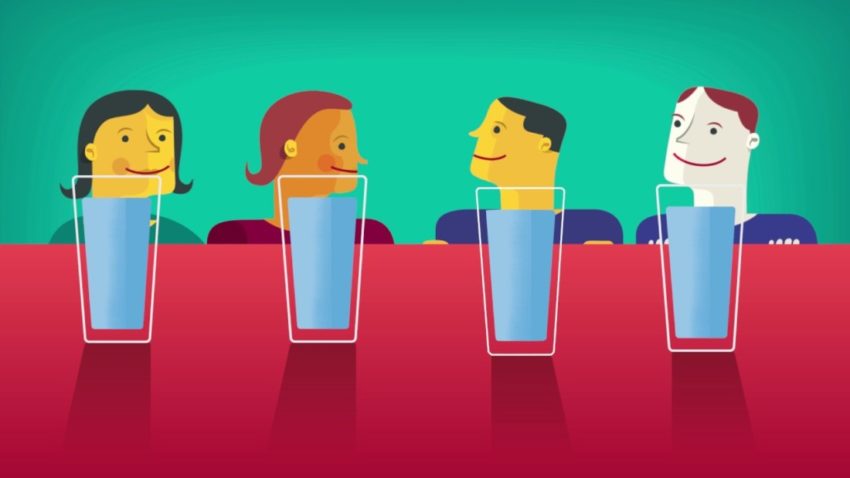
Good oral health is essential for kids and their overall health. For Latino kids though, it’s not always so simple. Most kids have their first dental visit by age 7. For Latinos, their first visit is closer to age 16! While lack of dental insurance is most often the reason for such a late start, there is another culprit. Sugar. The average child in the United States now consumes over half of her body weight in sugar every year. Much of this sugar comes from sugary drinks. Too Much Sugar is Bad! Too much sugar can lead to serious health issues, like obesity, diabetes, and poor oral health. Some populations, such as Latinos experience much higher oral disease rates than the general population. About half of all U.S. Latino children have experienced cavities and, in ...
Kindergarten is a crucial time for all young students. It is the time when the foundations of fundamental learning skills are laid and can greatly impact the rest of a student’s academic career. Kindergarten is especially crucial for children when it comes to language learning. For Latinos and other low-income kids, they face the additional challenge of having obstacles in place at school and at home. “Children may go from a home with limited physical and psychological resources for learning and language to a school with similar constraints, resulting in a double dose of disadvantage,” said Susan Neuman professor of childhood and literacy education at New York University in an interview with Medine Plus. Neuman and her colleges followed 70 kindergarteners in Michigan (4.72% ...
Momsrising.org is asking mom's to become school wellness heroes to help make sure physical education and healthy foods are a part of school wellness policies. Kids spend most of their day at school, eating most of their calories and expending most of their energy at school, so it is vital for the school environment to be healthy. Currently, over 99% of schools are meeting new healthy snack standards, but with the new healthy school meal standards being rolled back around sodium, non-fat and flavored milk and whole grains, there is still so much work to do to make sure kids are in a safe and healthy school environment all day. You can help support health and wellness in schools before the end of June while school districts update their wellness policies. Get involved by dropping off ...
By Jackie Edwards
Contributing Writer Unemployment insurance and government benefits are available to qualifying Latinos who lawfully reside in this country, federal policy states. Many Latino homes could benefit from this aid. In fact, more than 5% of adult Latino workers and 15% of teen Latino workers are unemployed, according to the Bureau of Labor Statistics. But Latino immigrants are much less likely than their white counterparts to receive government benefits.
"Unemployment insurance benefits can provide crucial economic stability during unexpected job loss, provide for basic needs during a job search, and keep families out of poverty," according to the National Employment Law Project (NELP).
Why Latinos Should Care about Federal Aid
A growing share of the U.S. ...
Lack of affordable housing has strong implications for many Latinos and greatly impacts their quality of life. Many Latinos live in racially segregated, low-income, high-poverty areas with limited access to fresh, healthy foods, quality healthcare, and physical activity spaces. Also, many areas restrict Latinos access to opportunities impacting their choice of school or their children and limits their chance to obtain higher paying jobs. For those living in rural areas, the access to affordable housing is often even more limited. According to the non-profit group, Smart Growth America, the cost of living in rural areas is generally lower than in metro areas, yet many residents of rural cities and towns nevertheless struggle to afford the homes and apartments available in those ...
Although the recent menu labeling bill was pushed back for implementation until 2018 across restaurants, recent research reveals that removing and labeling unhealthy ingredients like trans fats can make a healthy difference for consumers. A study from JAMA Cardiology studied urban counties in New York State that restricted the use of trans fats in public eateries like restaurants, bakeries, cafeterias, park concessions and senior meal programs. The study concluded, after three years that there were there fewer hospital admissions for cardiovascular events in counties with a ban on trans fats. Since July 2003, the FDA approved labeling trans fats for consumers awareness on the dangerous ingredient that is often found in fast foods, baked goods, chips and can lead to higher ...
Kaiser Permanente wants to empower parents to talk to their kids about mental health. Finding the right ways to talk to your children about mental health is important because as many as 13% of children ages 8 to 15 experience a severe mental disorder at some point while growing up. In fact, many parents are unaware of the warning signs in kids or teens who are dealing with mental health issues. A few signs to look for include substance abuse, social isolation, behavior changes and more. Parents wanting to learn more about mental health like how to assess their child's mental health, and or how to talk to their child in a non-judgmental way about mental health can click here for more information on mental health. These resources are also in Spanish for Latino parents to talk ...
How can a little pinwheel fan help kids with emotional balance and mental clarity? Coming together to support mental health awareness month, Sixpence Program and the Lied Scottsbluff Public Library are supporting children's mental health with toys like foam building blocks, mental health books, and pinwheels. These toys can help provide continued learning for kids with mental health issues, helping them in calm-down techniques, like the pinwheels which help kids learn a deep breathing technique. Kids can "smell" the flower when they put the pinwheel close to their face, and then blow out stress or exhale onto the pinwheel and see the pinwheel move into action. “As adults, we can teach children how to respond when they are upset,” Tiffany Fuller, the Sixpence Program ...