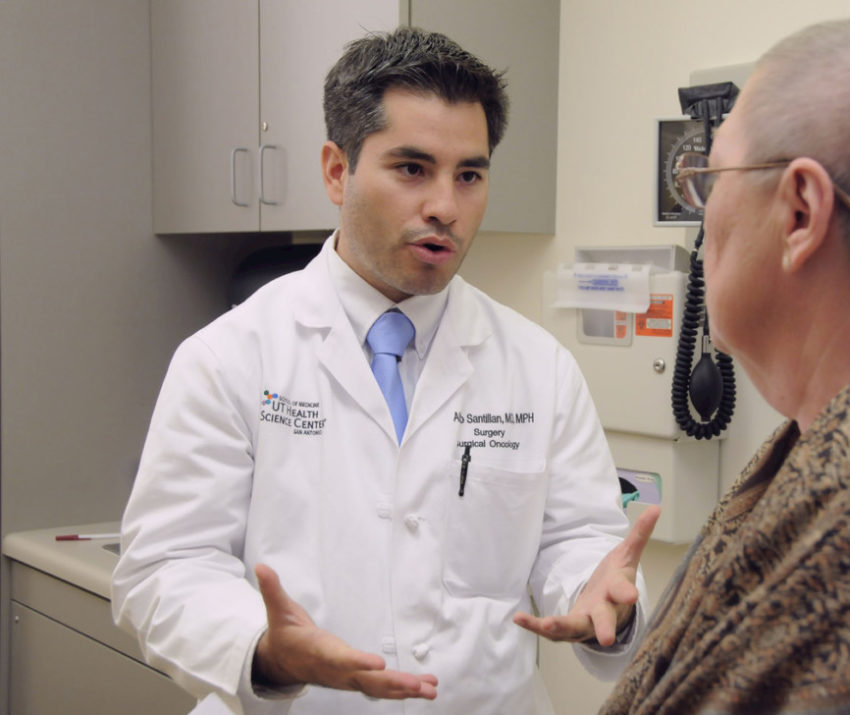
There is a shortage of mental health professionals in the United States. This situation is more severe for Latino and other minorities, who face barriers of language and culture that can make it hard to seek and get help, Pew Charitable Trusts reports. Take, for instance, Ana Paula Guerrero of Aurora, Ill. Guerrero says it makes it easier and better for her therapy if she doesn't have to translate her emotions from her native Spanish to her adopted English. "When I am talking about certain feelings in Spanish, it's (about) vocabulary and being able to gather the words to express yourself," Guerrero told the Daily Herald of Illinois for a report on language barriers to mental health care. "It's not the feeling itself, but the ability to communicate what you are ...
The summer swim seasons begins this weekend for most of the country, but many kids have no to low swim ability. In fact, 40% of Caucasian children, 45% of Hispanic children, and nearly 64% of African-American children have no to low swimming ability, according to a new study conducted by the University of Memphis and University of Nevada-Las Vegas. Although there is a 5-10% improvement in overall swimming ability, 87% of kids with no or low swim ability plan to go swimming this summer at least once, putting them at risk for drowning. What can your community do to boost support for swimming lessons to prevent the horrific tragedy of drowning? Learn more about the complexities of swimming: Swimming may be the most promising physical activity to get Latino kid's active.
...
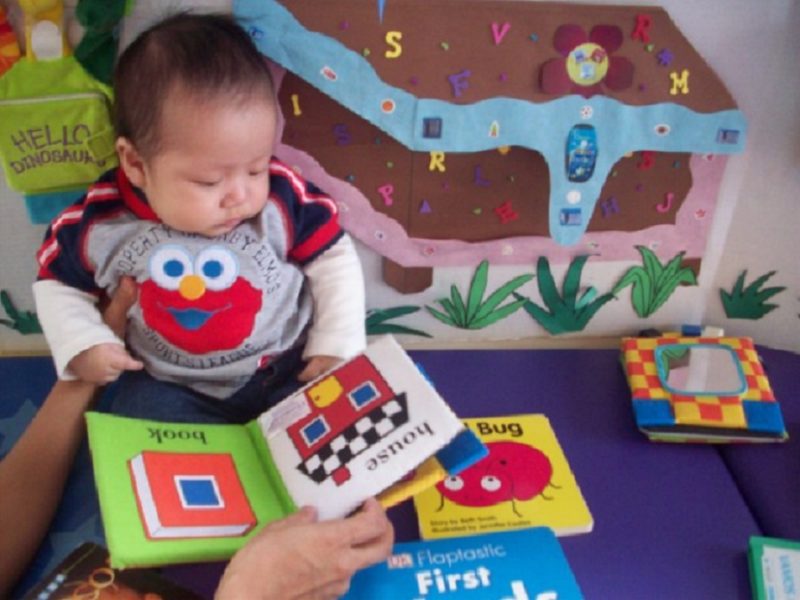
Not all kids start kindergarten equally prepared to succeed. By a child's third birthday, 85% of their brain is fully developed. Children of migrant workers and Latino children growing up exposed to adverse childhood experiences, such as domestic violence, substance use disorder, neglect, and poverty, as well as limited access to healthy food and safe places to play, are at increased risk for developing physical, mental, behavioral, psychosocial, and/or cognitive issues. High-quality early childhood programs can help level the playing field for Latino children on vocabulary and on social and emotional development. With federal funding, the East Coast Migrant Health Start Project serves 3,145 children annually through 26 Head Start centers in Alabama, Florida, North Carolina, ...
Latinos have made great strides in education in recent years, with more enrolling two- and four-year colleges and universities than ever before. However, there is still a significant gap between Latinos and other racial and ethnic minorities in obtaining college degrees. Education is one of the main determinants of health; the more education you obtain, the better your chances for higher paying jobs, financial stability, upward mobility, and better long-term mental and physical health. Overall, the economy has rebounded from the mid-2000s economic downturn. However, according to a new report by the Federal Reserve, those households that do not have a college degree are struggling more than ever. As reported by Reuters, the annual report serves as “temperature check” on the ...
A growing number of U.S. children may develop vision problems before they reach kindergarten, according to a study, Newsmax reports. Latino children were the most likely group to have vision problems.
Study results
Study researchers examined U.S. census records and eye exams of 12,000 children ages 6 and younger. They estimated that 174,000 U.S. children ages 3-5 had vision impairment as of 2015. That number could grow to more than 220,000 children by 2060. The study also found that Latino kids accounted for 38% of vision impairment cases, compared to 26% among white kids and 25% among black kids. "Researchers estimated [the Latino] proportion would climb [from 38%] to 44% by 2060 aided by higher birth rates in this population relative to other racial and ethnic groups," ...
Attaining an education is one of the key social determinants of health. Education impacts future economic well-being, job growth, and your long-term physical and mental health. Latinos have made great strides in education in the last decade. As of recent reports, the rate of Latino high school dropouts is at an all-time low while rates of graduation are at all-time highs. Latinos are also enrolling in more two- and four-year colleges and universities. While things are looking up, there is still a significant gap in educational attainment between Latinos and other racial and ethnic groups. In order to make an impact on this gap, more colleges and universities are addressing this problem in creative and “outside-the-box” manners. In order to reduce health disparities, it is ...
Chances are good you or someone you know has a mental health issue. In fact, during any given year, about 1 in every 4 people in the United States has a diagnosable disorder, two-thirds of which goes untreated, according to the Substance Abuse and Mental Health Administration. Latinos report the highest stress across money, employment, family responsibilities, and health concerns, a recent survey reported. What’s worse, many are unable to get the help they need to either treat their conditions or even get a diagnosis. Telemedicine is an emerging answer to these issues. Doctors are increasingly “linking up” with their patients by phone, email, and webcam more frequently thanks to faster Internet connections. This can reduce some of the cost and rising need for ...
About 20% of cancer diagnoses in the United States are for rare cancers, according to a new American Cancer Society report, MedicalXpress reports. The number is worse for racial/ethnic groups. Latinos face higher rates of rare cancers (24%), as do Asian/Pacific Islanders (22%), than blacks (20%) and whites (19%). Rare cancers challenge both patients and doctors. For most rare cancers, research to identify causes or ways for prevention or early detection is limited or nonexistent, according to MedicalXpress. Rare cancers also can be tough to diagnose and treat, leading to delays in diagnosis and less effective means of treatment than for more common cancers. "Efforts are needed to develop interventions for prevention, early detection, and treatment to reduce the burden of ...
Despite being the country’s largest racial and ethnic minority group and despite the fact that the Latino population in the United States is growing at exponential rates, they suffer from vast differences in health conditions compared to whites. These health disparities are rooted in “social disadvantage” and affect Latinos in their abilities to access quality healthcare, attain better paying jobs and quality education. With serious issues plaguing them, what can be done? The National League of Cities recently collaborated with the George Washington University Milken School of Public Health to analyze the options that cities have in addressing the educational and healthcare needs of residents. In order to reduce health disparities, it is critical to address ...