Latinos historically face discrimination in the hiring and promotion processes. A few years ago, a Harvard study found that one-third of Latinos say they were discriminated against when applying for jobs (33%) or when being paid equally or considered for promotions (32%). Now a recent report says discrimination extends to military promotions.
Latinos Rarely Promoted to High Military Ranks
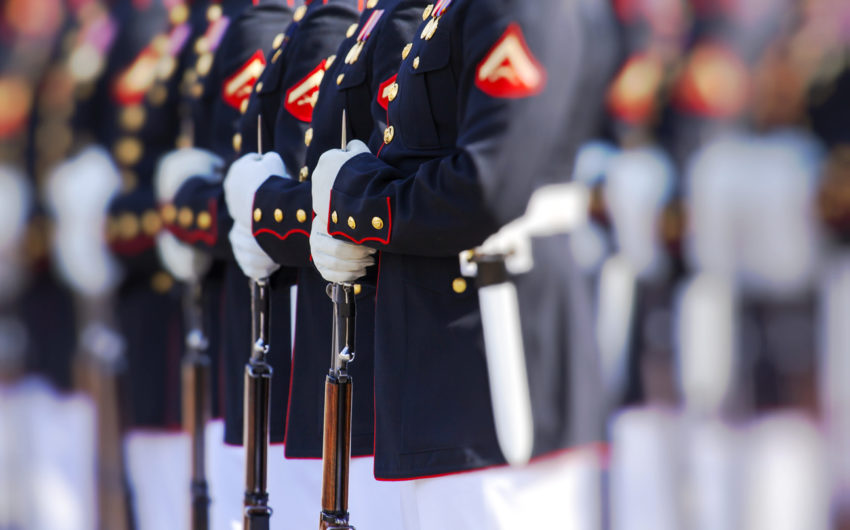
Latinos have a “proud and indeed enviable” record of military service. Today, the Latino share of the active-duty force has continued to rise. In 2015, 12% of all active-duty personnel were Latino, up from 9% in 2004, according to Pew Research. But between 1995 and 2016, only one Latino had become a three-star general, even as the number of active-duty Latino officers more than doubled, ...
Children across the U.S. acquire and education through public school — they also receive lead exposure, according to new research. At least 22 states failed to protect students from water contamination, according to a study conducted by the Environment America Research & Policy Center and U.S. PIRG Education Fund. Worse, only two of the 32 tested states received a B rating. Not one state made an A. Schools in states with large Latino populations also fared poorly. “It's concerning,” Julie Ma, a mother in Boston (19.4% Latino) who prepares water bottles for her kids every day, told CBS. “I really would like to get the lead out of the water supply as fast as possible for the students ... Many schools don't even know if they have it and haven't been able to make those ...
Implicit bias, also known as unconscious bias, occurs when stereotypes influence automatic brain processing. We can be susceptible to inherent bias and not even know it. Fortunately, you can find out if you have such leanings.
Implicit Bias Testing
Harvard’s Project Implicit developed The Implicit Association Test (IAT). The test, created 20 years ago, measures social attitudes and beliefs that people may be unwilling or unable to realize. The various implicit bias assessments focus on gender, race, skin color, weight, and more. There is no Hispanic/Latino-focused test, though. Bias tests can expose one's implicit attitudes, of which they are unaware. For example, you may believe women and men should be equally associated with careers in scientific fields. Yet, your ...
Health equity is when everyone has a fair and just opportunity to live their healthiest life possible. Yet health inequity remains. Latinos, for example, face discriminatory policies and barriers to healthcare, social support, healthy food, and more. That's why we're proud to share A Blueprint for Changemakers: Achieving Health Equity Through Law & Policy, a new report from ChangeLab Solutions and the Robert Wood Johnson Foundation that can help communities advance a local agenda to ensure health equity for everyone. The Blueprint report offers key policies and legal strategies on five underlying realities behind health inequity:
1. Reduce Structural Discrimination
Historic oppression, segregation, and bias create health inequity. Among Latinos, implicit bias impacts ...
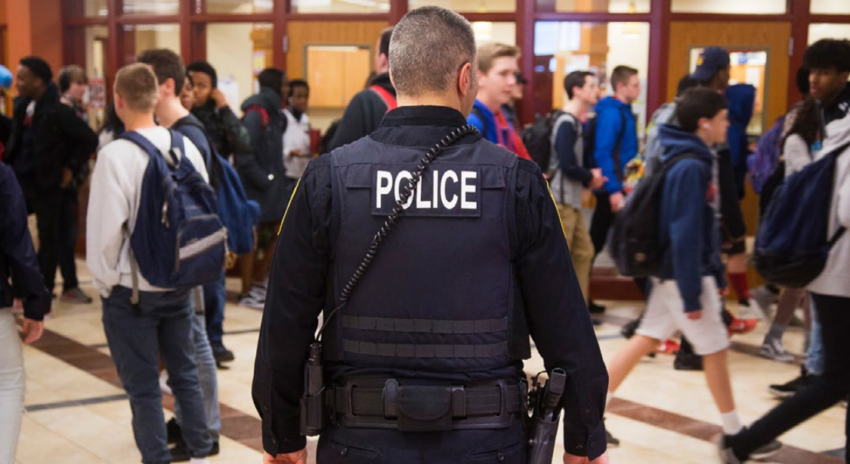
Schools today are under-resourced, and students are overcriminalized, particularly children of color and those with disabilities, according to a new report from the American Civil Liberties Union (ACLU). For the first time, the U.S. Department of Education now requires every public school to report the number of social workers, nurses, and psychologists employed. The ACLU analysis of the federal data provides a state-level, student-to-staff ratio for each position as well as a review of law enforcement presence in schools, student arrests, and referrals. The real crisis of schools isn’t violence, but a widespread failure to hire enough support staff that can meet students’ mental health needs, according to the report. The study uses data from the 2015-16 academic year, ...
Most people think they have no bias toward other people. But we all have preconceived notions or stereotypes that—beyond our control—affect our understanding, actions, and decisions about others. This is what experts call "implicit bias." Implicit bias can be good or bad. Either way, preference has enormous implications for the health of Latinos and all communities in our society.
What Is Implicit Bias?
Implicit bias is defined as the attitudes or stereotypes that affect our understanding, actions, and decisions unconsciously, according to the Kirwan Institute for the Study of Race and Ethnicity at Ohio State University. This kind of bias happens when stereotypes influence your brain processing. Studies show that your mind decides up to 10 seconds before you realize ...
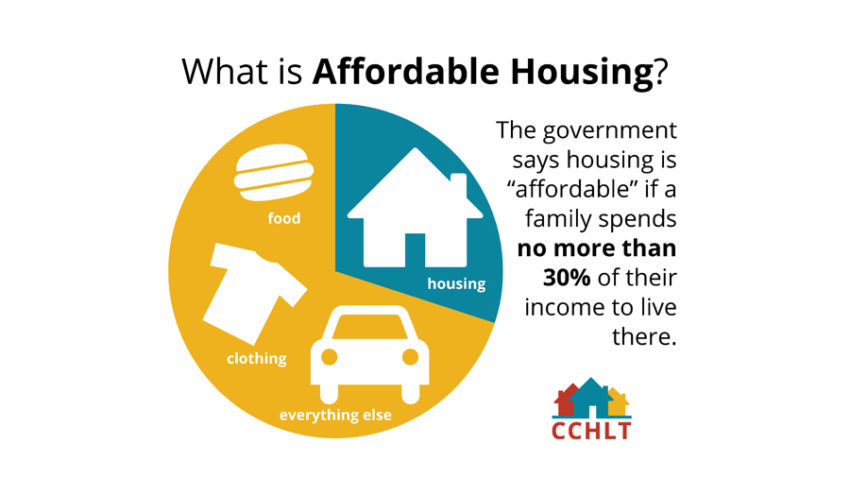
Demand for affordable housing is high, but supply is down in many U.S. cities. More than 11 million renters and 8 million homeowners spend more than half their income on housing; this results in extreme cost burdens and jeopardizes individual health, according to a Salud America! research review. “A lack of federal action and cash-strapped state and local budgets have contributed to the affordable housing crisis,” writes Teresa Wiltz for Pew Trusts. “Citizens are showing up at town halls and city council meetings demanding action.” Cities must find a way to boost affordable housing, but how can they make a difference? Here are six solutions to help improve affordable housing:
1. Create Affordable Housing Trusts.
Housing trust funds are established, ongoing, and ...
Latinos on the U.S.-Mexico border struggle with debilitating illnesses for years, but often lack proper healthcare because of socioeconomic, accessibility, or other inequalities. Dr. Amelie Ramirez grew up seeing these disparities in South Texas. She was driving to pursue a public health education and tirelessly toil to establish projects that assist the underprivileged. Perhaps Ramirez’s most innovative project, Salud America! has worked since 2007 to create a wide-reaching library of resources and actions, which greatly impact the personal and public health mindset of advocates, schools, and policymakers. Salud America! content is vital to advance the well-being of Latinos, Ramirez said. “The health inequities Latinos face was then, and continues to be, something to ...
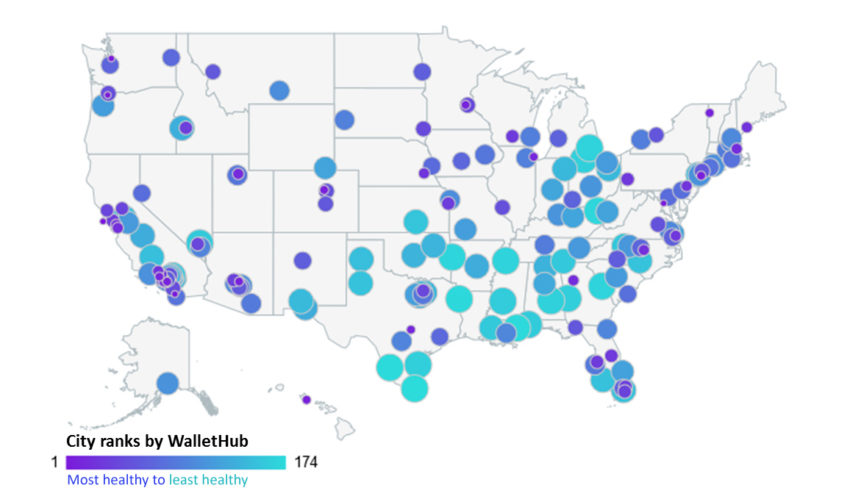
Two Texas cities—Laredo (95.4% Latino) and Brownsville (93.9% Latino)—rank as the least healthy U.S. cities, according to the 2019 Healthiest & Unhealthiest Cities in America by WalletHub. The ranking scores 174 large cities based on 42 health indicators. They look at cost of medical visits, and the number of dieticians and mental health counselors. They also factor in the amount of green space, trails, and healthy restaurants. Healthy food consumption and physical activity also has weight. "Some places promote wellness by expanding access to nutritious food and recreational facilities. Others strive to keep healthcare costs affordable for everyone or keep parks clean and well-maintained," according to WalletHub. "When a city doesn’t take care of these issues, it can ...