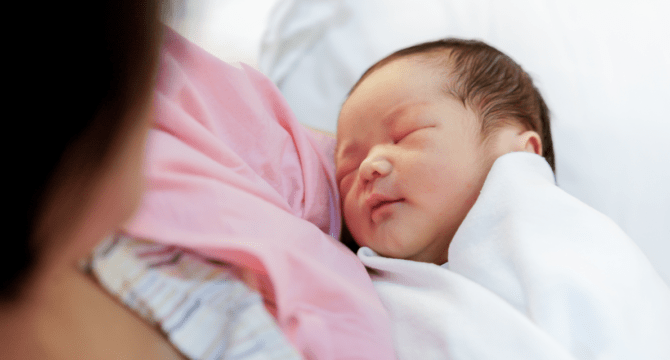
Today's children are more diverse than at any other time in U.S. history. More than half (50.4%) of babies are Latino and other children of color. These changing demographics have substantial implications for planning policies and services that best meet the increasingly diverse familial, cultural, and language needs of our youngest children, according to the new State of Babies Yearbook: 2019 from ZERO TO THREE and Child Trends. Yet children of color and their families face big barriers to health equity. The states where these children are born and live during their first three years makes a big difference in their chance for a strong start in life. "Opportunities to grow and flourish are not shared equally by the nation’s infants, toddlers, and families," according to the ...
People who experience sudden cardiac arrest in largely Latino neighborhoods are less likely to get CPR from bystanders and 40% more likely to die than their peers in largely White neighborhoods, according to a new study. This is bad news for Latinos. Heart disease already is their No. 2 cause of death. The study points to the need for more CPR training in Latino communities. “Survival is low, but prompt delivery of CPR by a lay bystander can significantly improve outcomes,” said Dr. Audrey L. Blewer, lead study author and researcher at the Center for Resuscitation Science at Penn Medicine, said in a press release.
Study Uncovers Grim Cardiac Arrest Disparities
A cardiac arrest is when a person's heart stops pumping blood around their body, and they stop breathing normally. ...
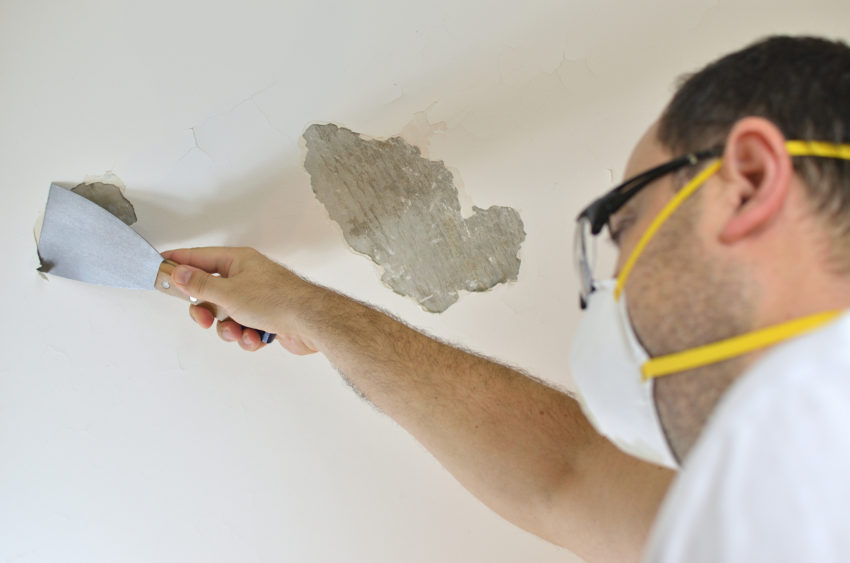
A Latino labor agency and environmental groups sued the Environmental Protection Agency (EPA) last week for not banning a lethal chemical used in paint removers. Exposure to methylene chloride, the harmful substance, has caused asphyxiation and heart failure. At least 50 people have died from working with the chemical, according to Earthjustice. The short-term side effects should concern the Latino community. Heart disease is common in Latinos (49.0% men/42.6% women), and they are less likely to receive life-saving heart devices. Latinos also are more likely to work jobs that use these “deadly paint strippers,” according to the Labor Council for Latin American Advancement’s (LCLAA), who teamed with the Natural Resources Defense Council (NRDC) on the lawsuit. “EPA’s ...
Quality housing can make a surprisingly big difference for your physical and mental health. A new study from the United Kingdom links housing tenure, type, cost burden, and desire to stay in current home to C-reactive protein (CRP), a biomarker in the bloodstream associated with infection and stress. Higher levels of CRP—meaning more stress and bad health—were found in people who rented homes. "The poorer health of private renters in our study may reflect the average lower quality of homes in the sector," wrote Drs. Amy Clair and Amanda Hughes, the study authors, in an article in The Conversation. "Private rented homes, for example, are more likely to have damp than social rented or owner occupied homes, and less likely to have central heating."
Housing Cost Burden & ...
U.S. Department of Agriculture (USDA) and the Department of Health and Human Services (HHS) announced a partnership to create addiction recovery transitional housing in rural communities. This is welcome news, as Latino and rural resident opioid overdoses rise across the nation. Particularly, Latino mortality rates for opioid overdoses rose 52.5% from 2014 to 2016. This is compared to a 45.8% rise among whites. “We know that the opioid crisis has hit rural communities hard, and we need to leverage all possible partnerships to support these communities,” Dr. Elinore McCance-Katz, HHS Assistant Secretary for Mental Health and Substance Use, said in a press release. “Housing plays a vital part in the recovery process for those living with opioid use disorders.”
USDA ...
A new report will help transportation planners and policymakers make public transit more equitable and inclusive in their cities, while minimizing public health and climate change impacts. Safe, affordable and reliable public transportation benefits entire populations and can improve a person’s health and social mobility. But too much money pays for projects that widen historical gaps in access to transit options for Latinos, other communities of color, and low-income people. To highlight and reverse this trend, the TransitCenter foundation released a report, Inclusive Transit: Advancing Equity Through Improved Access & Opportunity. The report shows how to empower transit agencies to advance equity. “This can lead to prioritizing transportation investments that ...
Latinos and African Americans in California breathe 40% more fine particulate matter from cars, trucks and buses than their White peers, according to a new study. This type of air particle pollution is so tiny—20 times smaller than the width of a human hair—it can penetrate deeply into the lungs and bloodstream. It is linked to heart and lung ailments, asthma attacks, and even death. This is bad news for Latinos, who are already disproportionately affected by air pollution in California. About 44% of Latinos live with poor air quality, compared to 25% of non-Latinos, according to a 2018 report. "California has made enormous strides over the past several decades to reduce overall pollution from vehicles, but this data shows people of color still breathe higher amounts of ...
Children of color who are disproportionately targeted by harsh school discipline policies are also more likely to face adverse childhood experiences (ACEs) out of school, according to a new report. ACEs—such as poverty, neglect, and parental divorce—can impair healthy development and education. But little is known about how exclusionary school discipline practices—suspensions, expulsions, referrals to law enforcement, and corporal punishment—affect children with ACEs. So, ChangeLab Solutions created an issue brief, School Discipline Practices: A Public Health Crisis and an Opportunity for Reform, that shows how widespread use of exclusionary school discipline aggravates pre-existing ACEs and robs students of opportunities for learning and growth. “These practices ...
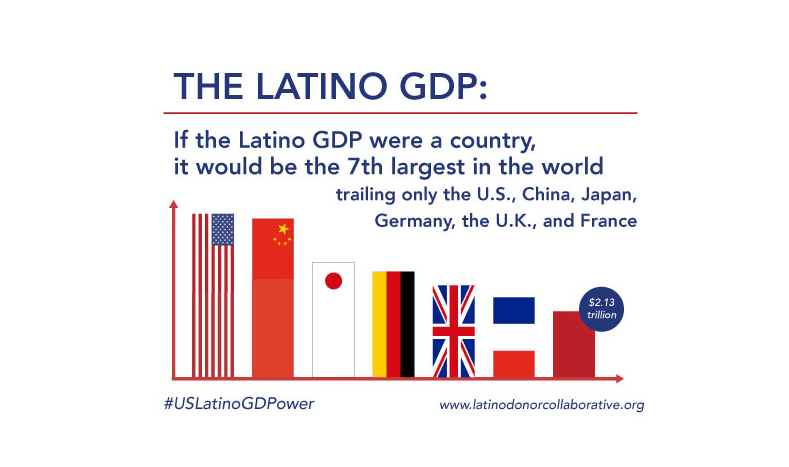
Don't think Latinos add much to the U.S. economy? Think again. If U.S. Latinos were their own nation, they would have the world's seventh-largest gross domestic product (GDP), at $2.13 trillion, according to a report by the Latino Donor Collaborative. That is a higher GDP than India, Brazil, and Italy. This means American Latinos are driving growth of the U.S. workforce and economy. This is contrary to political and popular rhetoric about Latinos, which hurts Latinos. The Latino GDP is growing 70% faster than the U.S. GDP. "If these rates are sustained, Latinos will contribute nearly one quarter of all U.S. GDP growth between 2019 and 2020," according to NGL Collective on the Latino Donor Collaborative report.
How Latinos Impact the Economy
By 2020, U.S. Latino purchasing ...