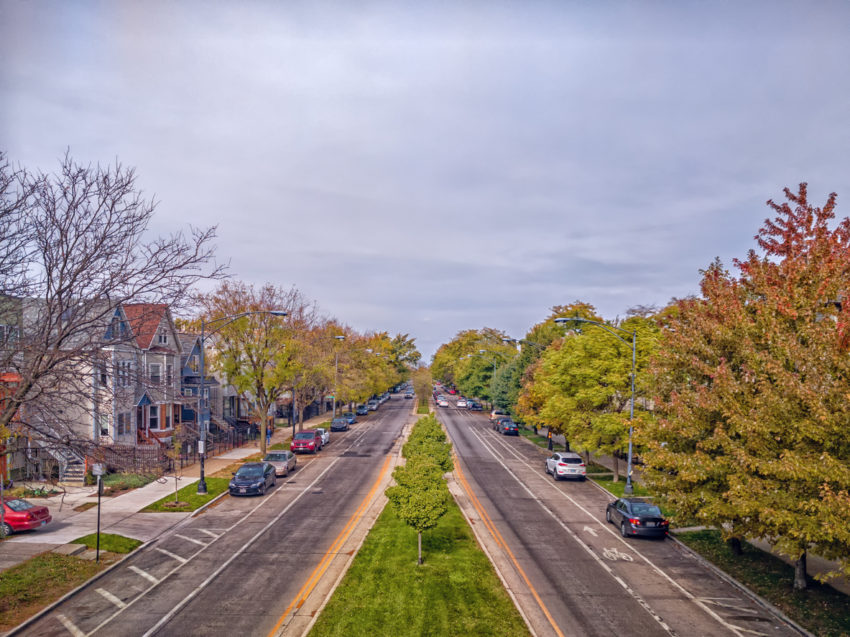
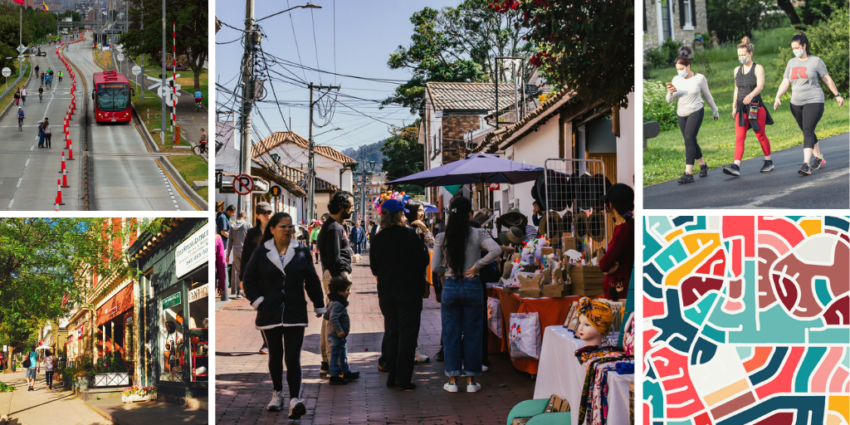
Every person is a unique individual. But if you look closely, you’ll see each person lives, learns, works, and plays within social and environmental conditions that influence their individual health and wealth. Some people face health barriers because of structural and systemic policies that curb their access to quality housing, transportation, medical care, food, jobs, schools, parks and other social determinants. Individuals have no choice when it comes to these structural health barriers. “Despite the tremendous, lifelong impact of our community conditions on our health, we focus most of our energy and resources on treating the outcomes of these problems but lack the essential urgency for attacking the root causes of poor health,” according to Brian C. Castrucci, Dr. ...
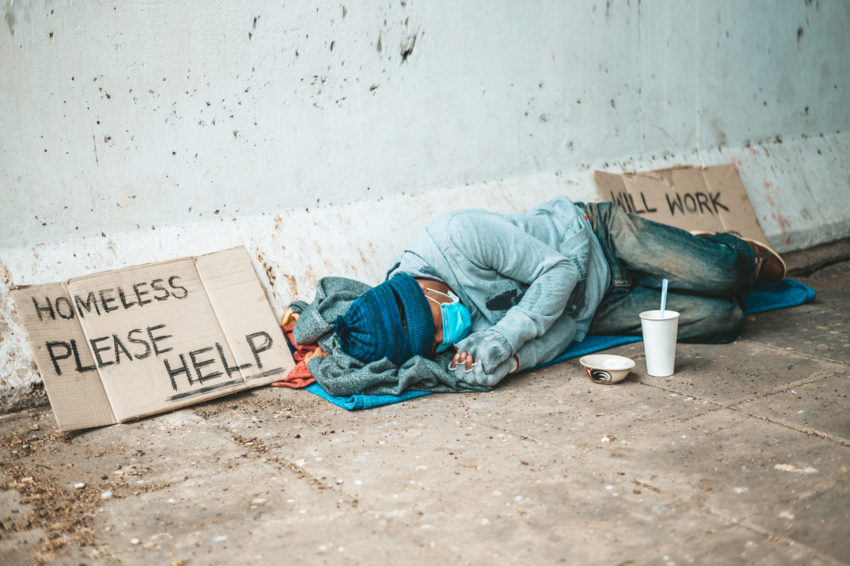
Latino and Black people will suffer significant financial problems that could lead to an increase in homelessness if U.S. leaders fail to pass a COVID-19 relief bill this week, experts say. The spring 2020 stimulus package is set to expire at the end of the week, prompting Congress to debate over a $900 Billion pandemic relief bill that will give stimulus checks, pause evictions and student loans, and provide further unemployment insurance. Leaders hope to find a solution by the end of the week. If they don’t, Latinos and Black people could suffer the most, including a rise in homelessness. “The pandemic has hit communities of color harder than white Americans, and the population of homeless Black Americans and Latinos will only increase if there is no emergency federal ...
COVID-19 isn't only disproportionately infecting and killing Latinos and causing job loss and stress. The pandemic is also hurting Latino-owned businesses. These businesses, which already face bias and racism when it comes to securing financing, have fewer resources to weather the ongoing storm of the pandemic, according to a report by the Stanford Latino Entrepreneurship Initiative. In fact, 41% of Black-owned businesses, 32% of Latino-owned businesses, and 17% of White-owned businesses across the country shut down between February and April, according to a recent study by the Federal Reserve Bank of New York, the CT Mirror reports. Thankfully, some new programs and initiatives aim to help businesses owned by Latinos and other people of color.
A $5 Billion Program to Support ...
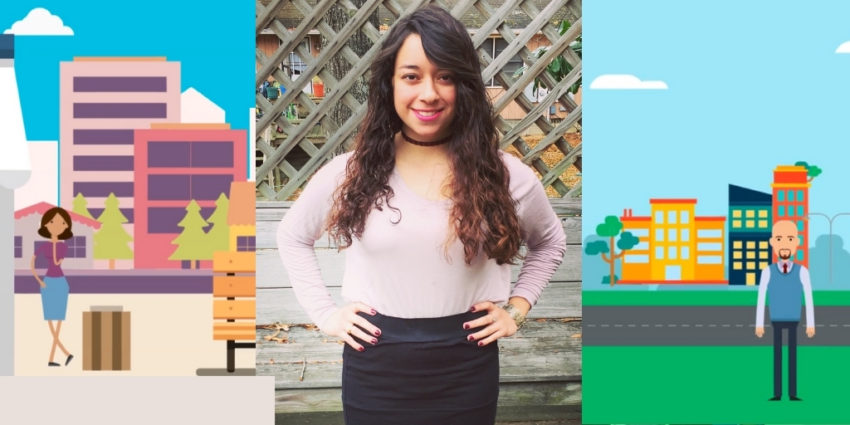
“Ever wondered why your neighborhood looks how it does?” Jennifer Rangel once asked herself this question. To find an answer, Rangel got a master’s degree in urban planning. Along the way, this Latina planner learned that discriminatory urban planning practices, like the zoning of land, had been used for white advantage for over a century, segregating communities and forging inequities in health and wealth among Latinos and other people of color. Rangel wanted to share what she learned. So she helped create workshops─then bilingual animated videos─to train neighborhood leaders, social workers, and others about zoning and how to get involved in zoning changes. “Understanding zoning is a critical step for residents as they try to undo previous harms and to ...
In spite of the countless burdens of COVID-19 on Latinos, rates of increased household wealth have been on the rise. In fact, 40% of Latinos who do not own a home plan to become homeowners by 2025, according to a recent survey conducted by the National Association of Hispanic Real Estate Professionals (NAHREP). This presents a shift, not only in the housing market but in the state of race and class in the U.S., according to Veronica Figueroa, a veteran realtor in Orlando. “In recent years, Latinos have proven to be more confident than ever when it comes to homeownership and entrepreneurship," Figueroa told Click Orlando. "We are also seeing overwhelming confidence in Latino investors who choose to invest in real estate. Latinos are overcoming the stigma of being considered an ...
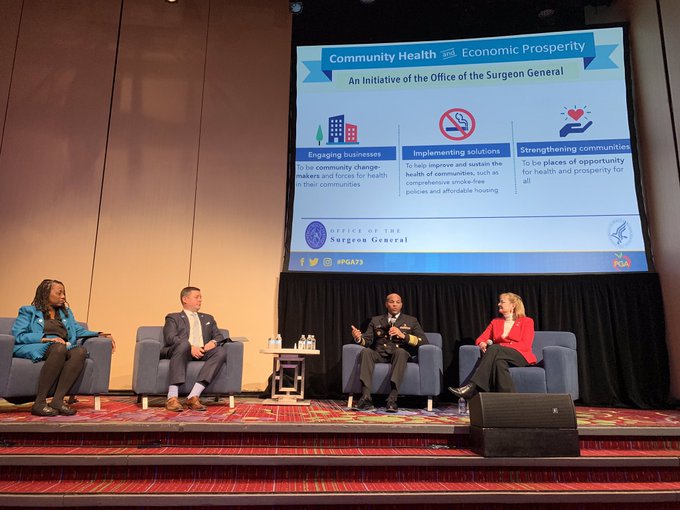
The status quo for health in America is expensive and failing. Medical care is costly for individuals, communities, businesses, and employers. But the U.S. ranks only 27th in life expectancy out of 35 Organization of Economic Cooperation and Development (OECD) countries. It also has the highest prevalence of obesity, with even worse rates among Americans of color. That’s why one of Surgeon General Dr. Jerome Adams’ priorities is to highlight and reverse inadequate investments in disease prevention and inequitable economic opportunities in our communities. Last year, Adams launched the “Community Health and Economic Prosperity” or “CHEP” initiative. “CHEP is the concept that community health and economic prosperity are inextricably linked,” according to the ...
Latinos face many transportation inequities. Years of unjust planning practices have cut them off from opportunities for health and wealth. To promote transportation equity for healthier communities, our leaders must ensure that transportation policies and practices are inclusive of Latino needs, address existing disparities, and are responsibly evaluated and measured, according to expert recommendations in two new reports from Salud America! at UT Health San Antonio. The two reports stem from Salud America!’s year-long workgroup of U.S. transportation and planning leaders that explored all aspects of equity in transportation for Latinos, thanks to an Innovation, Equity and Exploration grant from the Voices for Healthy Kids network at the American Heart Association. "These ...
Health has become a huge priority in the wake of the coronavirus pandemic. People of color, who face COVID-19 disparities as the virus worsens systemic social and economic inequities, are increasingly worried about holistic health. More Black and Latino Texans believe that the areas of life not typically associated with medical care—housing, education, racism, and other social determinants—directly impact their overall health than their white peers, according to a recently published survey from the Episcopal Health Foundation (EHF). "Texans across racial backgrounds agree that many non-medical factors like good air quality and clean water, community safety, and amount of stress are vital to a person's health," EHF writes in a recent press release. "But researchers ...
U.S. leaders have "failed miserably" in planning and executing a cohesive national response to COVID-19, which has killed over 170,000 people here, according to a new report. The report is Public Health Law Watch's Assessing Legal Responses to COVID-19. It features 50 top national experts evaluating the policy response to the pandemic. The experts blame neither resources nor individual courage, but rather "a failure of leadership and the implementation of an effective response." COVID-19 revealed weaknesses in the nation’s health care and public health systems. It also worsened existing health inequities for Latinos and other people of color—even creating new disparities. Still, the report offers 100+ recommendations on how federal, state, and local leaders can better ...