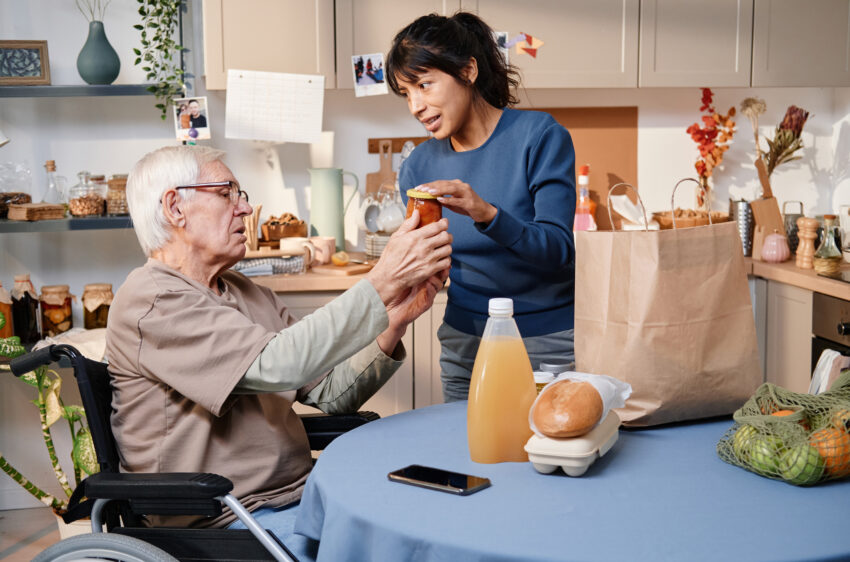
By 2030, 40% of Alzheimer’s patients in the U.S. will be Latino or Black. However, Latinos make up less than 1% of participants in National Institutes of Health clinical trials. Clinical trials are studies that help researchers learn more to help slow, manage, and treat Alzheimer’s and cancer for current and future family members. Without Latino volunteers for clinical trials, the benefits may miss this group. With Compadre CART at the Biggs Institute for Alzheimer’s & Neurodegenerative Diseases at UT Health San Antonio participants have the opportunity to help an underrepresented, high-risk group maintain independence with aging. To participate, contact Luis Serranorubio of the research team at 210-450-8447.
Compadre CART Study Goals
To learn more about why ...
Bladder cancer is the fourth most common cancer in men and causes about 17,100 deaths annually in the US. About 75% of bladder cancer cases are non-muscle invasive. This means that the cancer affects the tissue lining of the inner surface of the bladder, but not the bladder muscle. While this type of bladder cancer is treatable, one of the most effective treatments for this disease – a tuberculosis vaccine – causes intolerable side effects for up to 84% of patients, which can prevent treatment completion. When treatments fail, the bladder may have to be removed, reducing the patient’s quality of life. However, a modified tuberculosis vaccine developed by Jordi B. Torrelles, PhD, a professor at Texas Biomedical Research Institute in San Antonio, could help treat non-muscle ...
From merengue to salsa, dance and music are at the heart of the Latino community. Latin dance celebrates culture, history, family, and joyous occasions. Now Latin dance is proving to help the working memory of older Latinos. Latinos age 55 or older who participated in a culturally relevant Latin dance program for 8 months significantly improved their working memory, compared to other peers in a controlled group that attended educational workshops, according to a recent study by researchers from the University of Illinois Urbana-Champaign. Let’s explore why Latin dance is so beneficial.
What Did the Latin Dance Study Explore?
The recent study examined changes in cognitive performance among over 330 middle-aged and older Latinos participating in the Balance and Activity in ...
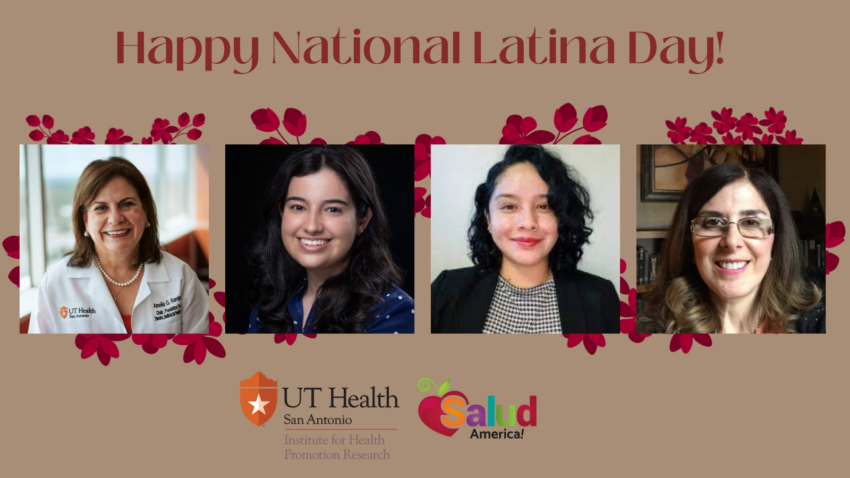
Today we honor Latinas who are mitigating health inequities and disparities in the Latino community for National Latina Day on Aug. 20, 2022. Here are their stories of resilience, hard work, and success.
Dr. Amelie G. Ramirez
Meet Amelie G. Ramirez, DrPH, an internationally recognized researcher and director of Salud America! and its home base, the Institute for Health Promotion Research at UT Health San Antonio. She is also Chair of the Department of Population Health Sciences, and Associate Director of Cancer Outreach and Engagement at Mays Cancer Center at UT Health San Antonio. Amelie has spent more than 30 years reducing chronic disease and cancer health disparities affecting Latinos through human and organizational communication research. Q: What inspired you to choose ...
Just as Latinos are underrepresented in medicine and clinical trials, they are also underrepresented in organ donation. In honor of August being National Minority Donor Awareness Month, here’s everything you need to know about organ donation, and why you should become a donor.
What is Organ Donation and Transplantation?
Organ donation and transplantation involves removing an organ from one person (the donor) and surgically placing it in another (the recipient). This process is done when the recipient’s organ has failed and they need a new organ to survive. Organ donation and transplantation can be performed with both living and deceased donors.
Living Donation
A living donation is an opportunity to save a life when you are still alive. Organs that can be donated ...
UT Health San Antonio and other Texas universities are looking for healthy adults age 18 and older to participate in research studies across the state. Learn more about this opportunity and how you can participate!
What is the Aim of the Studies?
The University of Texas System Health Biobank Consortium is a collaborative effort among eight UT institutions to standardize and expand access to human biospecimens. Biospecimens are materials from the human body. They include tissues (hair, skin, or organs) and fluids (blood, urine, or saliva). These samples contain cellular, molecular, and chemical information. Along with the samples, biosbanks store biospecimens with personal and medical information (age, sex, race/ethnicity) and details about a donor’s lifetime environmental ...
Have you ever wanted to help improve Latino health? Now is your chance! The National Institutes of Health’s All of Us Research Program is recruiting at least one million diverse people to share information about their health history and environment. Information collected for the database helps researchers learn how biology, lifestyle, and our environment affects our health. As part of the effort, participants donate a biospecimen in the form of a blood or saliva sample. Biospecimens can help researchers find new ways to prevent, diagnose, or treat diseases, such as Alzheimer’s or cancer, among Latinos and other groups. “We may study your samples to measure things that naturally occur within our bodies, for example, cholesterol,” according to the All of Us ...
Caregivers are a lifeline for people living with dementia. But who is the lifeline for caregivers? The Caring for the Caregivers program at UT Health San Antonio serves as a resource and support for patient caregivers and families through evidence-based education and research. “We envision a community where family caregivers are valued, respected, and supported with compassion. We are committed to values of social justice, collaboration, and family-centeredness in research and practice,” according to the Caring for Caregivers webpage. Learn about the programs, events, and tools that can help your family!
Latino Caregivers by the Number
Latinos are greatly impacted by dementia. About 13% of Latinos who are 65 or older have Alzheimer’s or another form of dementia, ...
Researchers at UC Davis Health and the University of Texas Health Science Center at Houston (UTHealth Houston) are working on a new study to predict who is most at risk for dementia or Alzheimer’s disease. The study includes creating a health ‘scorecard’ for dementia risk. Here’s what you need to know about the study and how you can participate.
Study Goal
UT Health San Antonio will be the clinical research site for the Diverse Vascular Contributions to Cognitive Impairment and Dementia (Diverse VCID) study. Data will be collected through brain scans, genetics, and other key biomarkers. “Putting these very different pieces of information together, our ultimate goal is to really come up with a risk profile,” Dr. Charles DeCarli, Professor of Neurology and ...