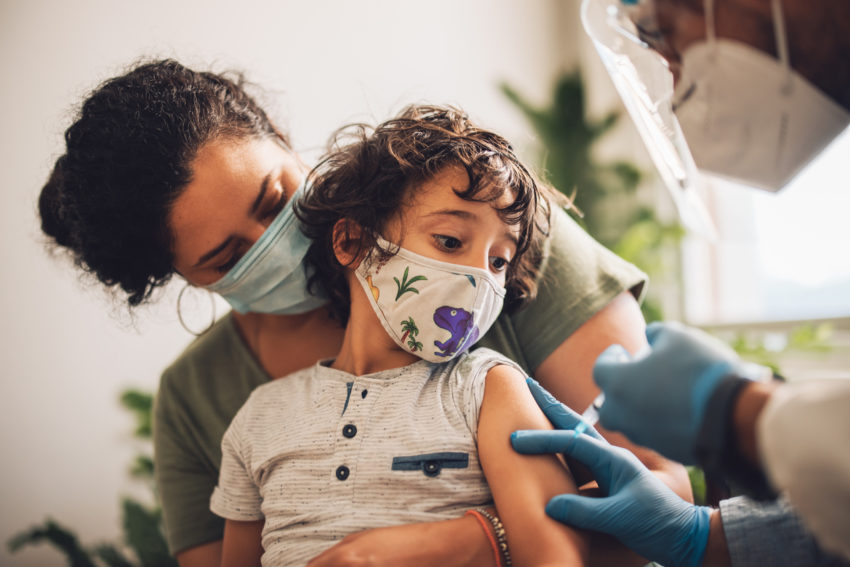
On Oct. 29, 2021, the FDA authorized the Pfizer-BioNTech COVID-19 vaccine for emergency use for children ages 5 to 11. It had previously been approved for those ages 12 and older. The move will make the vaccine available to 28 million children in this age group. Getting children vaccinated is vital for controlling the spread of the pandemic, especially as many schools have returned to in-person learning. Do you have questions about the Pfizer vaccine and want to know more before your children get vaccinated? Here’s what Latino parents should know. Update 1/19/22: Greater than COVID shared new videos in English and Spanish featuring doctors answering questions about the COVID-19 vaccines for kids 5-11.
Is the vaccine safe for children? Why was it produced so ...
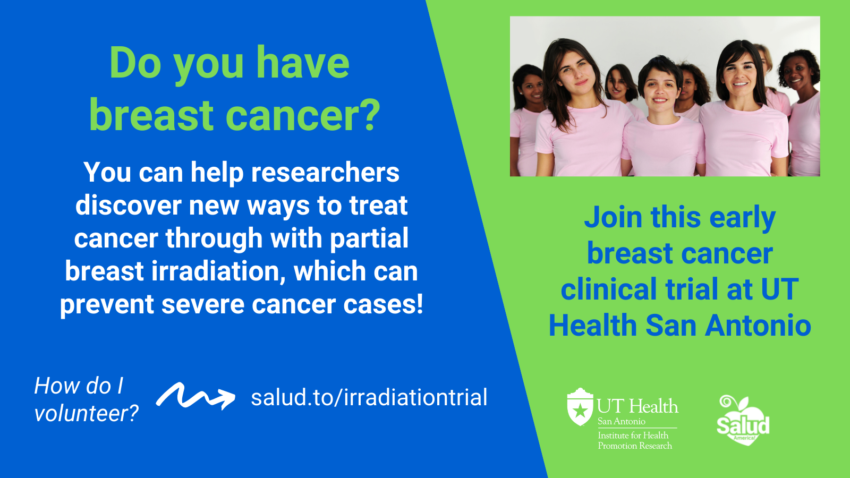
Latinas have lower rates of breast cancer than other groups. Sounds like good news, right? The bad news is that the Latina breast cancer rate has been rising over the past decade, and breast cancer is still the top cause of death for Latinas. Fortunately, we have clinical trials. Clinical trials are studies to find more effective treatments, which can help current cancer patients, and better understand cancer to help future Latino survivors. You can help the cause by volunteering for the Partial Irradiation and Sequential vs. Concurrent Chemo Early Breast Cancer Clinical Trial at Mays Cancer Center at UT Health San Antonio. The trial, for women ages 18-100, including Latinas, aims to protect women against severe cases of breast cancer. “We need Latina volunteers for ...
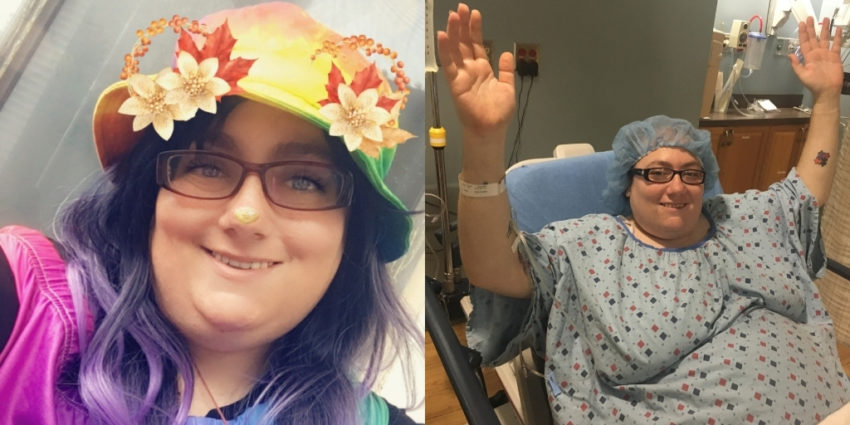
By Roxy Harrison
Breast Cancer Survivor in San Antonio My name is Roxy Harrison and these are my miracle stories. My diagnosis story of both breast and ovarian cancer are a miracle! I noticed some discolouration under my right breast. I ignored it for a couple of months. It wouldn’t hurt but sometimes it would itch. I showed it to my primary care doctor. She said it’s probably just a heat rash, but if you’re concerned you can get a mammogram done. I was 37 so I wasn’t too worried. I did the mammogram, which I refer to as making pancakes. They call me back 2 weeks later that they want to do another one to compare. Why they would think something could change in 2 weeks is beyond me, but no problem. I do another one. Then they wanted me to do an ...
Are you a Latino cancer survivor?
Volunteer for the Avanzando Caminos study at UT Health San Antonio!
Avanzando Caminos aims to enroll 1,500 Latino cancer survivors in South Texas and 1,500 more in Miami to help unpack the social, cultural, behavioral, mental, biological, and medical influences on post-cancer life. The study is funded by the National Cancer Institute. The South Texas site is led by Dr. Amelie Ramirez of UT Health San Antonio and Mays Cancer Center. "With the help of Latino cancer survivors, we can help future Latino cancer survivors heal, recover, and reduce the chance for cancer to come back," said Ramirez, who also leads the Salud America! program at the Institute for Health Promotion Research at UT Health San Antonio. To volunteer for ask questions, go ...
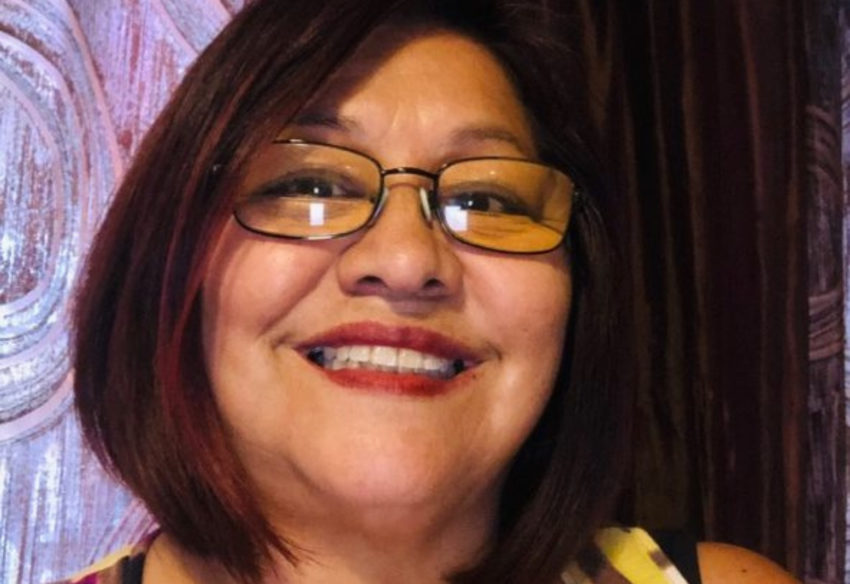
Jeraldine Ortiz sabe que el cáncer de seno es difícil para las latinas. El cáncer de seno es la causa principal de muerte entre latinas. Esto se debe a las barreras culturales para la atención de salud, las bajas tasas de detección temprana y la baja participación en los estudios clínicos que buscan encontrar mejores tratamientos. Esta es la razón por la que Ortiz, cuando fue diagnosticada con cáncer de seno, decidió participar en un estudio clínico. Hoy, después de más de 15 años como sobreviviente de cáncer, Ortiz dijo que cree firmemente que su participación en un estudio clínico de UT Health San Antonio la ayudó a obtener un mejor tratamiento y una mejor calidad de vida después del cáncer. "Los estudios clínicos dan la oportunidad de un mejor ...
Annually, CDC researchers compile and analyze data to predict the number of deaths that will occur in the coming year. The number of mortalities that go over this initial estimate, or “the difference between the observed numbers of deaths in specific time periods and expected numbers of deaths in the same time periods,” are known as excess deaths. Looking at deaths in 2020 compared with predicted deaths, researchers found that U.S. Latinos suffered double the excess deaths per 100,000 people than their white peers. “There were profound racial/ethnic disparities in excess deaths in the United States in 2020 during the COVID-19 pandemic, resulting in rapid increases in racial/ethnic disparities in all-cause mortality between 2019 and 2020,” according to an October 2021 ...
El cáncer de Seno es la causa principal de muerte en las latinas. Pero Alma López ha sido una sobreviviente de cáncer de seno por más de 15 años. Ella cree que su participación en un estudio clínico de UT Health San Antonio la ayudó a tener un mejor tratamiento y a largo plazo una mejor salud en su camino de supervivencia. "Los estudios clínicos pueden encontrar tratamientos nuevos que ayudan a las personas", dijo López. "Y ayudan a los científicos. Ofrecen la oportunidad de tratamientos mejores para todas las poblaciones. Construyen un futuro mejor".
López Decidió Participar en un Estudio Clínico de Cáncer de Seno
Aproximadamente hace 15 años, López fue diagnosticada con cáncer de seno. López comenzó a considerar sus opciones de tratamiento. Al ...
As part of its draft Strategic Plan for 2022-2026, the Department of Health and Human Services (HHS) is looking for feedback from the public. The plan has five strategic goals for how the department will achieve its mission: Protect and Strengthen Equitable Access to High Quality and Affordable Health Care
Safeguard and Improve National and Global Health Conditions and Outcomes
Strengthen Social Well-being, Equity, and Economic Resilience
Restore Trust and Accelerate Advancements in Science and Research for All
Advance Strategic Management to Build Trust, Transparency, and Accountability At Salud America!, we believe that improving healthcare by making it more accessible and culturally tailored for people of color will help build health equity. This means ...
The COVID-19 vaccine is a contentious topic for many Latinos and Americans. The divide between those who are vaccinated and those who are unsure or don’t want to get the shot grows wider every day. But we can use compassion and cultural relevancy when promoting vaccine benefits with our loved ones who are unsure about the shot, according to two medical experts, Claudia Pineda, a physician assistant in Brooklyn, N.Y., and Dr. Katya Corado, a researcher with The Lundquist Institute. Listen to Claudia Pineda and Katy Corado in the newest Salud Talks Podcast, Episode 38, “How to Empathetically Discuss the COVID-19 Vaccine,” to learn how to have better conversations about COVID-19 vaccination! LISTEN! WHAT: A #SaludTalks Podcast discussion about the COVID-19 vaccine and ...