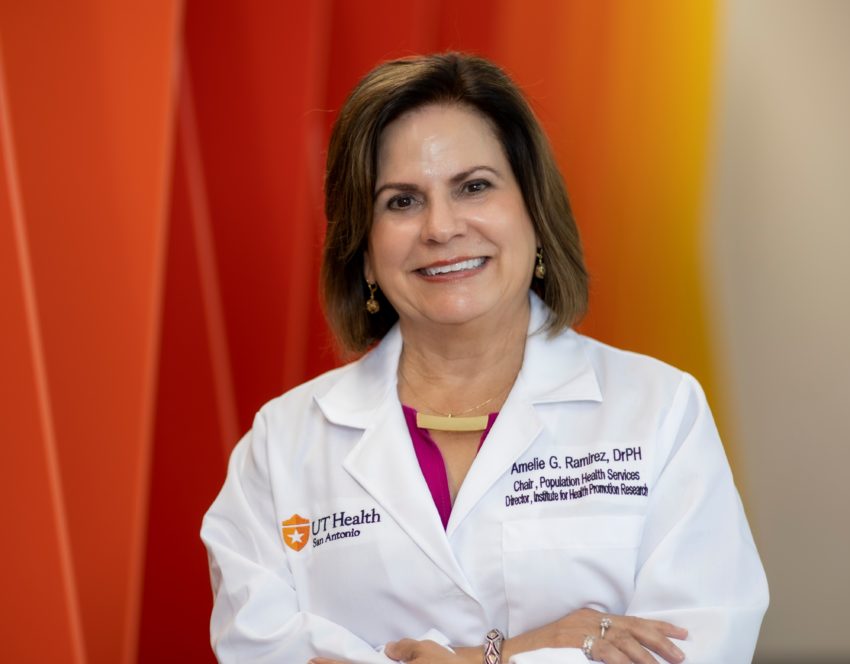
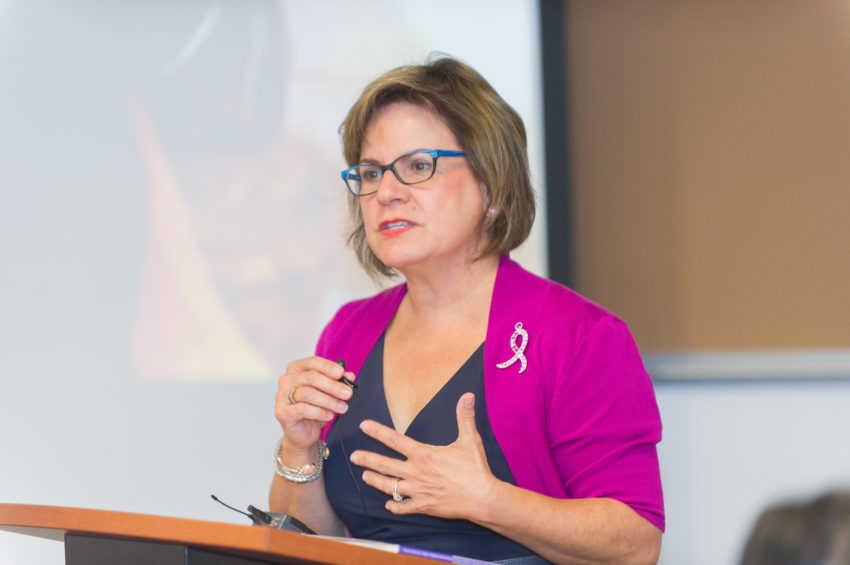
Dr. Amelie G. Ramirez, director of the Institute for Health Promotion Research at UT Health San Antonio, has received the first-ever “Making a Different World” award from Latinas Contra Cancer for her dedication to improving health outcomes around cancer. Ramirez received the honor at the organization's 4th biennial cancer summit July 20-22, 2014, in San Francisco. “I am honored by this tremendous distinction from some of the key leaders in our nation’s growing effort to reduce cancer,” Dr. Ramirez said. “We are truly working hard to show how communities can reduce their risk for cancer, how to help patients navigate the health care system, and how to help cancer survivors.”
Dr. Ramirez & Her Health Promotion Research
Ramirez is an internationally recognized ...
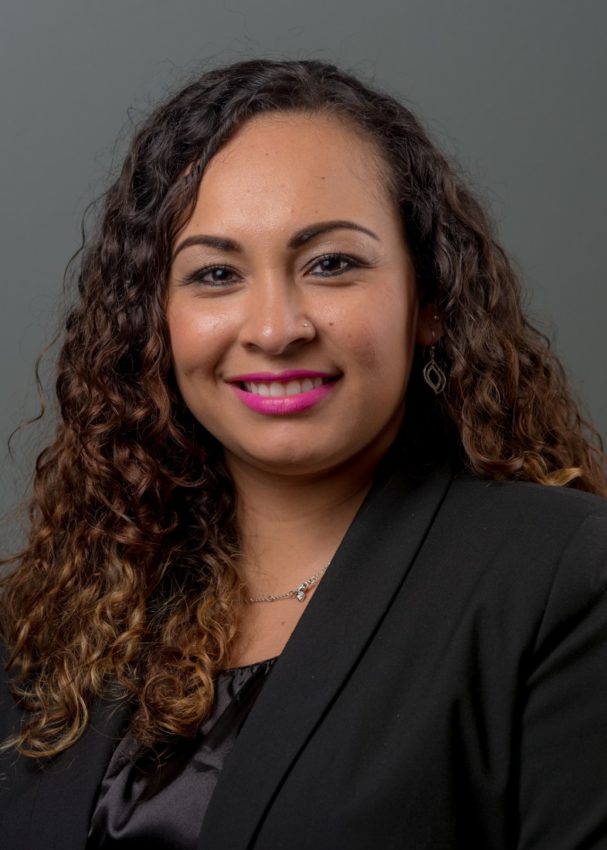
Unpaved roads. Lack of proper sewage. Inadequate water. Rose A. Treviño-Whitaker grew up among these third-world conditions that plague some colonias—mostly unincorporated settlements in South Texas. That’s why she is dedicating her career to preventing disease and promoting public health as a researcher at the Institute for Health Promotion Research (IHPR) at UT Health San Antonio. She’s particularly interested in increasing physical activity. “Regardless of the neighborhood conditions I grew up in, I still led an active lifestyle. My sisters and I still went outside and had a great time playing soccer in the streets with the other neighborhood kids,” Treviño said. “It is hard to see that this is not the case anymore, in my old neighborhood and all over the U.S. ...
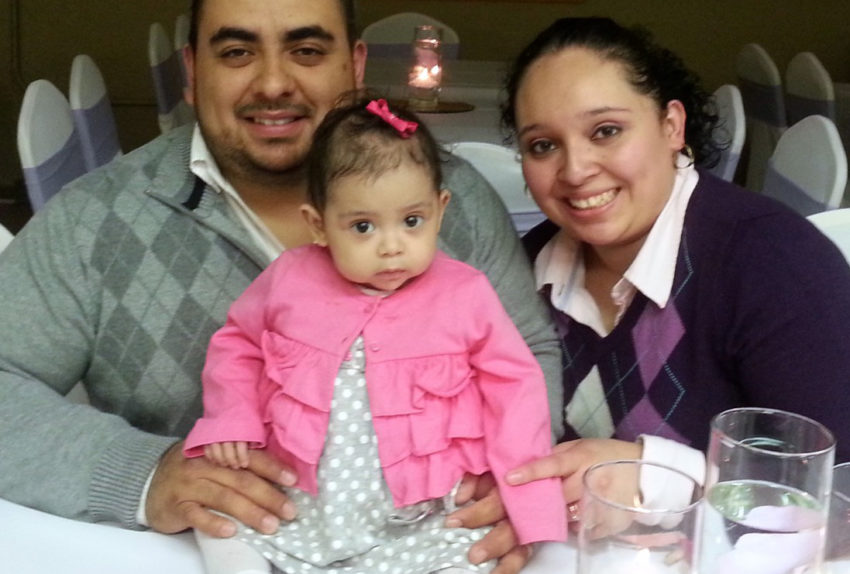
Jade Hércules, was born in July 2012 in Guatamala, where she was diagnosed with terminal liver disease. She needed a donor. Jade's condition deteriorated over the next year to the point where her parents thought, as she celebrated her first birthday in July 2013, she wasn't far from her final moments on earth. Then doctors at University of Chicago Hospital, where her family had come to seek treatment, told her parents a liver donor was found. “We were grateful to God for the parents who had the courage to donate their little boy’s organs because thanks to them our little girl is alive. We always think about the parents who made this miracle possible because it is truly a blessing that a year later although she is not yet walking, Jade can stand and is such a happy ...
Commentary by Dr. Amelie G. Ramirez San Antonio is what the entire United States will look like in 40 years, some say. That’s good news, but not all good. San Antonio’s large Latino population contributes immeasurably to the uniqueness and vitality of our city, just as the continued growth of the Latino population reflects our nation as a whole. At the same time, some families in our neighborhoods increasingly lack access to the kinds of neighborhood amenities that Americans rely upon to stay healthy, and face some obstacles to good health. These are challenges to health in all cities across the country. Research has found that, some people live in areas with more fast-food restaurants and unhealthy food advertising, and higher consumption of sugary beverages, per capita. ...
I recently had the privilege of attending and presenting my Susan G. Komen-funded research on boosting breast cancer survivorship through Patient Navigation at the 5th International Cancer Control Congress (ICCC) on Nov. 3-6, 2013, in Lima, Peru. As a member of Komen’s Scientific Advisory Board, I was excited to be among the more than 400 health researchers and community leaders from throughout the world came together for this important meeting. Dr. Simon Sutcliffe of Vancouver, Canada, president of the ICCC and chair of the international steering committee, cited five key drivers for the group: improving human development;
mobilizing a societal response to reduce cancer and other non-communicable diseases;
improving population health;
improving cancer treatment, ...
2025 was filled with plenty of ups and downs in the world of health for Latinos and all people. However, there were some significant highs that drove health in 2025. For instance, 2025 gave us two campaigns that put readers in the driver’s seat of country-wide change and Salud America! received several opportunities to help make a difference in the lives of all people. But most of all this year gave us hope in the form of stories of survivorship and perseverance. Here were the top 10 stories driving Latino Health in 2025.
1. Linda Mota Shares Her Breast Cancer Survivorship Story
Breast cancer was the last thing on Linda Mota’s mind. She was diagnosed with stage 3 breast cancer — a disease that greatly affected her ...
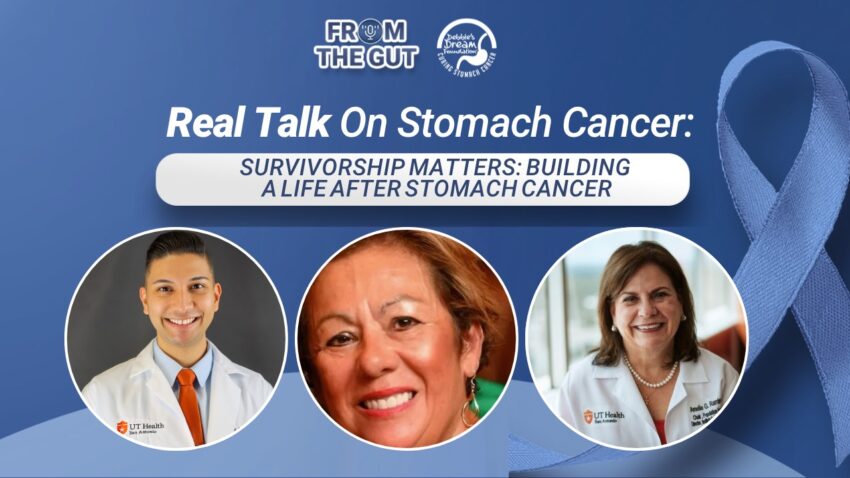
Now comprising 20% of the US population, Latinos are among the fastest-growing populations in the country. They are also afflicted with some of the highest rates of cancer, especially cancers with lower survival rates like stomach cancer. In honor of Stomach Cancer Awareness Month, Dr. Amelie G. Ramirez, leader of Salud America! and a cancer health researcher at the Mays Cancer Center at UT Health San Antonio, and Dr. Derek Rodriguez, a research scientist at UT Health San Antonio, appeared on the Debbie’s Dream Foundation From the Gut podcast. In the podcast’s fourth episode, the pair of cancer researchers focused on the Avanzando Caminos Hispanic/Latino Cancer Survivorship Cohort Study and the importance of creating a community of ...
Scientists and collaborators at the Icahn School of Medicine at Mount Sinai recently identified novel genetic interactions that may contribute to congenital heart disease. Congenital heart disease (CHD) is a problem with the heart’s structure at birth. Let’s go beyond the surface and learn more about what the research means and how it can help others!
The Health Impact of Congenital Heart Disease (CHD)
When a disease or condition is congenital, it means someone is born with this condition. Congenital heart diseases or defects occur when “when the heart, or blood vessels near the heart, don’t develop normally before birth. Such defects result when a mishap occurs during heart development soon after conception — often before the mother is aware that she is pregnant,” ...
This content is from the "Advancing the Science of Cancer in Latinos: 2024 Conference Proceedings."
Non-Medical Drivers of Health Impacting Latino Cancer Health Gaps: Genetic Cancer Risk Assessment
Dr. Alejandra Hurtado de Mendoza is an Assistant Professor at the Cancer Prevention and Control Program at Georgetown Lombardi Comprehensive Cancer Center. Gaps across the continuum Dr. Hurtado de Mendoza’s presentation focused on gaps in genetic cancer risk assessment, multi-level hurdles that Latinos face across the genetic cancer risk assessment continuum, and an example of a multilevel intervention to decrease gaps. The presentation began by discussing how gaps in the genetic cancer risk assessment continuum begin with awareness. Only 23% of Latino individuals were aware of ...