Motherhood can be an exciting time full of new experiences and cherished moments – but it can also be mentally and physically taxing. That’s why the US Health Resources and Services Administration (HRSA) created the National Maternal Mental Health Hotline, which celebrated its first anniversary on Mother’s Day 2023. Let’s explore how and why the hotline was used in the last year, and why the hotline is vital for supporting Latinas and all mothers.
About the National Maternal Mental Health Hotline
The National Maternal Mental Health Hotline is a free, 24/7, confidential hotline that provides support to women before, during, and after pregnancy via phone call or text. The hotline can be reached at 1-833-TLC-MAMA (1-833-852-6262) and is well equipped to handle a variety ...
“Grab what you can,” said a frantic young mother to her four children in their small rural home in El Campo, Texas. As their mother swiftly shoved a few belongings in a bag, her four children began to grasp the seriousness of the situation and why she pulled them out of school mid-day. It was finally their chance to get out of town and leave their abusive father – who suffered from alcohol addiction – behind. Diana Anzaldua was one of those four children. She knew her parents struggled to make ends meet, especially since they were teen parents with mental health challenges of their own. “We faced day-to-day domestic violence and a chaotic household. My mom, of course, was depressed,” recalled a grown Diana, who is now a licensed clinical social worker and resilient ...
Amid the COVID-19 pandemic, global conflicts, and an inflated economy, families have been going through a lot lately. Children are no exception. The US is facing an “urgent public health issue” among youth, and it’s not the typical stomach bug or cough usually associated with children – it’s their mental health. In honor of May being Mental Health Awareness Month, we’re highlighting the reasons elementary and middle school-age children worry, how often they worry, and their coping mechanisms, according to a recent report by Nemours KidsHealth. We’ll also touch on what parents can do to help their children through worrisome times.
Why Do Children Worry?
Of the 504 children between ages 9 and 13 who responded to the Nemours survey, worries centered around school ...
Since the 1960s, community health centers (also called Federally Qualified Health Centers) have made it their mission to increase people’s access to primary healthcare by reducing challenges, such as cost, lack of insurance, distance, and language. But beyond clinic walls, many people have big needs, like unstable housing, that hurt their health. These are called the non-medical drivers of health (NMDoH) That is why the National Association of Community Health Centers (NACHC) helped create an NMDoH screening tool – PRAPARE® (Protocol for Responding to and Assessing Patient’s Assets, Risks and Experiences) – to enable community health centers to identify immediate needs among patients and refer them to local resources for aid. Today, PRAPARE® helps hundreds of community ...
The U.S. Centers for Disease Control & Prevention’s Project Firstline program offers training and educational resources on various infection control topics, including risk recognition and infection control basics related to COVID-19. These training and educational resources are designed for all healthcare workers, no matter their role or educational background. Join us as Salud America! explores Project Firstline’s interactive infection control resources for healthcare workers through a three-part series on, “What’s Wrong with This Picture?” Part 1 tackled the emergency room. Part 2 focused on the nurse’s station. Today, we will address an outpatient exam room.
Can You Recognize Infection Control Risks?
Healthcare workers must be aware of where germs ...
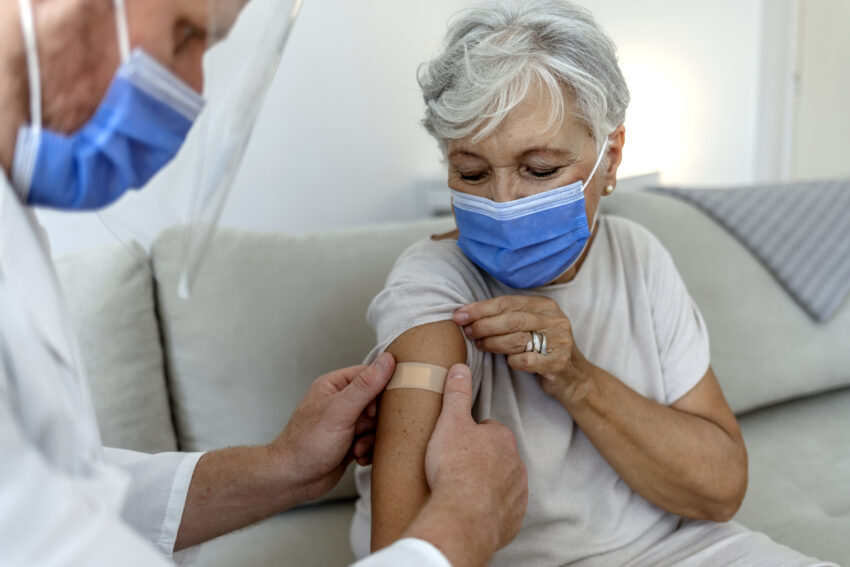
The CDC recently announced updated COVID-19 vaccination recommendations. The update allows people ages 65 and older or immunocompromised to get an additional updated bivalent vaccine dose at least four months after their initial bivalent dose. “If you’re in this group and have questions about getting an additional COVID-19 vaccine dose, you should consult your healthcare provider,” according to Public Health Communications Collaborative. Read more about the updated vaccine recommendations and why they matter for Latinos.
The Updated COVID-19 Vaccine Recommendations
Other changes made by the CDC’s Advisory Committee on Immunization Practices include: Monovalent (original) mRNA COVID-19 vaccines will no longer be recommended for use in the United States.
CDC ...
The U.S. Centers for Disease Control & Prevention’s Project Firstline program offers training and educational resources on various infection control topics, including risk recognition and infection control basics related to COVID-19. These training and educational resources are designed for all healthcare workers, no matter their role or educational background. Join us as Salud America! explores Project Firstline’s interactive infection control resources for healthcare workers through a three-part series on, “What’s Wrong with This Picture?” Part 1 tackled the emergency room. Part 3 will focus on an outpatient exam room. Today, we will address the nurse’s station.
Can You Recognize Infection Control Risks?
Healthcare workers must be aware of where ...
The U.S. Centers for Disease Control & Prevention’s Project Firstline program offers training and educational resources on various infection control topics, including risk recognition and infection control basics related to COVID-19. These training and educational resources are designed for all healthcare workers, no matter their role or educational background. Join us as Salud America! explores Project Firstline’s interactive infection control resources for healthcare workers through a three-part series on, “What’s Wrong with This Picture?” Today we will tackle the emergency room. Part 2 will address the nurse’s station. Part 3 will focus on an outpatient exam room.
Can You Recognize Infection Control Risks?
Healthcare workers must be aware of ...
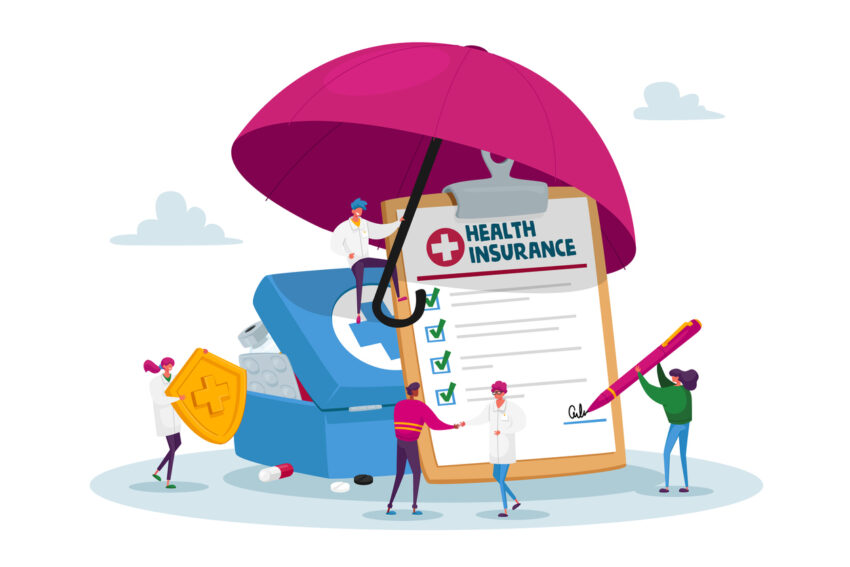
Latinos are uninsured more than two times the rate of their white peers. Given that Latinos are projected to grow to 29% of the population by 2050, this lack of healthcare coverage, including Medicaid, will continue to endanger the health of many more individuals, families, and the healthcare system. We’re raising awareness of the Latino healthcare crisis, its impact on Latino communities, and how you can help Latinos gain health insurance coverage.
How Many Latinos Lack Health Insurance?
Despite the benefits of health insurance, people from overlooked populations, low-income families, and other vulnerable groups unfortunately lack health insurance coverage in the US. Latinos are especially uninsured. A 2022 Census Bureau report found that Latinos had the highest uninsured ...