In spite of the countless burdens of COVID-19 on Latinos, rates of increased household wealth have been on the rise. In fact, 40% of Latinos who do not own a home plan to become homeowners by 2025, according to a recent survey conducted by the National Association of Hispanic Real Estate Professionals (NAHREP). This presents a shift, not only in the housing market but in the state of race and class in the U.S., according to Veronica Figueroa, a veteran realtor in Orlando. “In recent years, Latinos have proven to be more confident than ever when it comes to homeownership and entrepreneurship," Figueroa told Click Orlando. "We are also seeing overwhelming confidence in Latino investors who choose to invest in real estate. Latinos are overcoming the stigma of being considered an ...
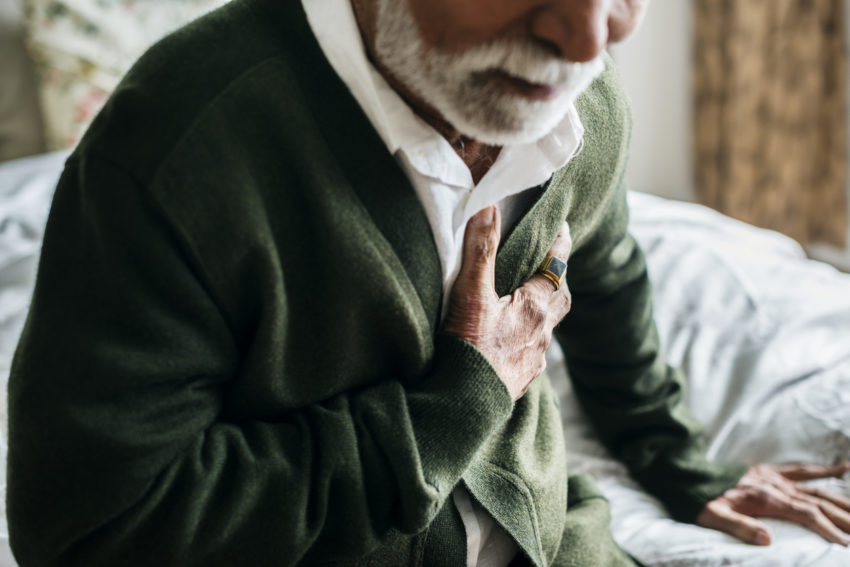
Smoking kills, and it’s not just lung cancer — but heart disease, too. Smoking, especially those who begin at a young age, seriously increases a person’s risk of cardiovascular issues, including incidences of mortality, according to recent data from the Journal of the American Heart Association. Smokers, especially those who began the habit before adolescence, showed a correlated increase in cardiovascular-related deaths. “Age at starting to smoke is an important, but underappreciated, determinant of adult cardiovascular mortality, and this study indicates that the [roughly] 5 million US smokers who began before age 15 years are at especially high risk of premature death from cardiovascular disease if they do not quit,” the study states. “If the associations between ...
Nearly three-fourths of all coronavirus cases in some of the country’s most critical industries are happening among Latinos, the group already experiencing harsh burdens from the virus. Of the 5,721 workers in food processing, food manufacturing, and agriculture fields who tested positive for COVID-19 early in the outbreak, 72.8% were Latino, according to October 2020 data from the CDC. These numbers shouldn’t come as a total surprise, based on the conditions these laborers face in the workplace, said Dr. S. Patrick Kachur, a population and family health professor at Columbia University. "Workers come and go from the workplace on a daily basis,” Kachur told TODAY Food. “If they are living in communities with widespread transmission, or households with other persons who ...
Breast cancer affects different women differently. That's why the Breast Friends Forever (BFF) support group enables young breast cancer survivors to share their experiences in San Antonio, Texas (64% Latino). Recently, some BFF leaders joined the "Health Conversations with Anna Smith" Podcast. They talked about the need for the group and its origins in celebration of Breast Cancer Awareness Month. These include: Sandra L. San Miguel, BFF co-founder and program director at the National Cancer Institute; Brenda Garza, BFF co-founder and a survivor; Stanlie Murray, BFF executive director and a survivor; and Erica Ann De Zaiffe, BFF member and a survivor. Listen to the podcast Part 1 and Part 2. "BFF was a pioneer in those days, combining outreach and education activities with ...
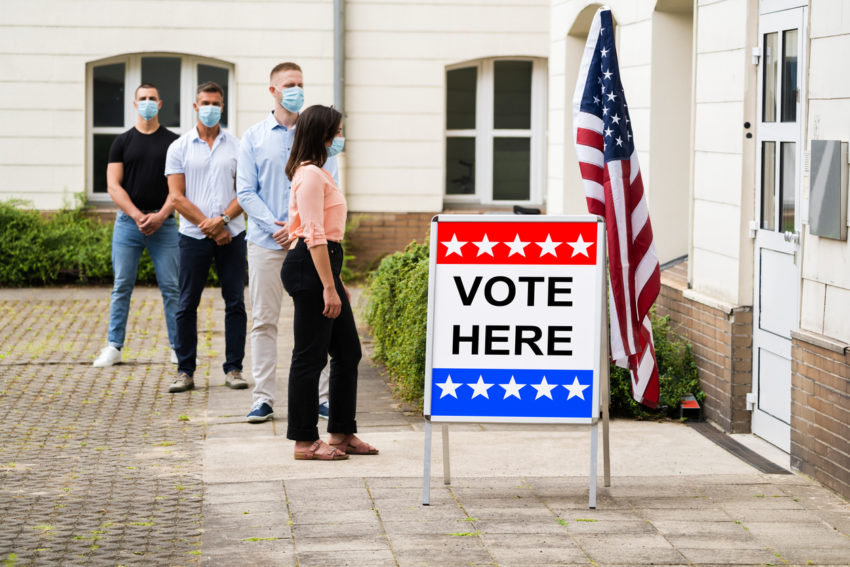
Latinos will account for the largest non-white voter demographic in history, as 2 million Latinos are expected to vote during the 2020 presidential election. Moreover, every 30 seconds, a young Latino in the United States becomes eligible to vote. This data, collected by the Pew Research Center and the U.S. Census, respectively, makes one thing clear: the Latino vote will play a key for the 2020 election outcome. Due to the numerous disparities impacting this community, especially amid COVID-19, issues like the economy and health care—not immigration—will drive the Latino vote in 2020, according to a new report by the UCLA Latino Policy and Politics Initiative. “Latinos will be critical in deciding the most consequential election of our lifetime,” Sonja Diaz, founding ...
Ángela García wasn’t planning on becoming an artist. She entered college in the pre-med track, intending to go into a medical career. But then she started taking art history classes. And she kept taking them, despite still being in the pre-med track. “I was like, ‘You know what? I don’t like this. Maybe I don’t like the sciences as much as I thought I did. And I’m really interested in this art history curriculum.’ So, I switched over at the end of my sophomore year,” García said. Now she’s a senior art history major at Trinity University in San Antonio, Texas, with several large-scale art projects under her belt, having rekindled a passion for creative work from her childhood. “I used to do painting when I was younger but I kind of fell out of it for a ...
Latinos and other people who have diabetes are getting more access to much-needed supplies amid COVID-19. Beyond Type 1—a diabetes nonprofit organization—launched a new bilingual tool last week: GetInsulin.org in English and GetInsultin.org in Spanish. This online platform is a tool to help those using insulin find inexpensive options. It also has assistance programs for patients in any financial circumstances. “The job losses we’ve seen during COVID-19 mean that many individuals who lost their employer-based health insurance due to COVID-19 are experiencing insulin access issues for the first time in their lives,” Christel Marchand Aprigliano, Beyond Type 1's chief advocacy officer, told Healio. “List prices for insulin are high, so a sudden insurance loss may ...
Children of color continue to struggle with obesity. Obesity rate continues to be significantly higher for Latino (20.7%) and black children (22.9%) than for white children (11.7%) ages 10-17, according to the new State of Childhood Obesity report from the Robert Wood Johnson Foundation (RWJF). Obesity—and other chronic diseases—are more prevalent among those of color and those in poverty because discriminatory systems have disinvested in healthy policies and basic resources for them. In the midst of the current COVID-19 pandemic, which is worsened by obesity, it is more critical than ever to prioritize children’s health. Latino children and young adults account for over 40% of the COVID-19 deaths among people ages 0-24, according to the CDC. To prioritize children’s ...
Almost 60% of Americans believe that racism can impact the health care an individual receives, according to the National Cancer Opinion Survey conducted by the American Society of Clinical Oncology (ASCO). The survey also found that about two-thirds of Americans have skipped or delayed scheduled cancer screenings due to the COVID-19 pandemic, which is disproportionately harming Latinos. These results have wide-ranging implications for preventative care and the perception of health care disparities in the United States.
About the Survey on Racism, Health Care
The National Cancer Opinion Survey is conducted annually. This year, ASCO surveyed over 4,000 U.S. adults older than 18, with over 1,000 of them former or current cancer patients. “This survey assesses Americans’ ...