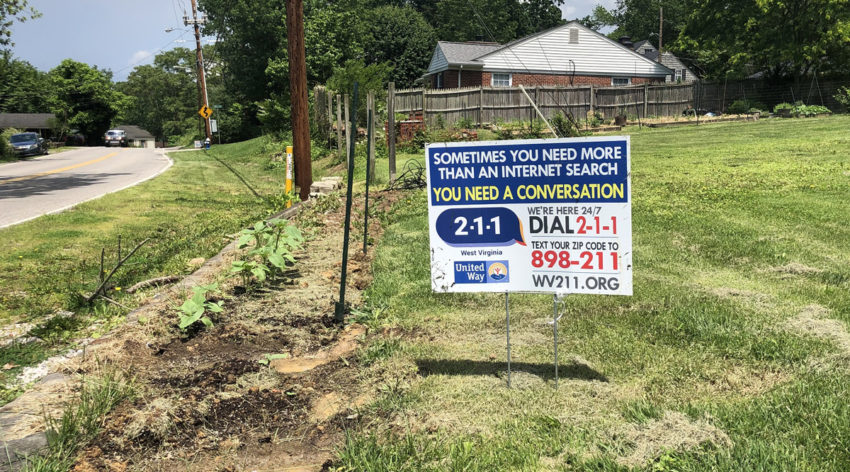
As educators quickly adapted to virtual platforms to stay in academic contact with students after schools closed due to the coronavirus pandemic, many at-risk students were stranded in potentially unsafe, traumatic home situations. How could schools, while closed, still check on child welfare and connect families to resources? To answer this question, child advocates started brainstorming. West Virginia, Massachusetts, and Oklahoma advocates launched a bi-weekly Brainstorming Group March 25, 2020, to share best practices, recommendations, and resources to help these kids. Soon, advocates joined from Ohio, Maryland, Florida, and Texas (including Salud America!). The group generated four main recommendations:
1. Continue Sending ‘Handle With Care’ Notifications
Did you ...
Cancer patients who get COVID-19 have a 13% risk of dying, much higher than the 6% death rate of coronavirus in the general population, according to a study published in The Lancet. But the reasons for bigger risk aren't what researchers expected. Pregnant women or people with autoimmune diseases or blood cancers are, surprisingly, not more susceptible to severe coronavirus, USA Today reports. Instead, people with cancer and the general population have the same basic reasons for severe coronavirus outcomes. These include older age, smoking, and underlying health problems like diabetes and obesity, according to the new study. This suggests cancer still poses a greater danger than the virus. "Many cancer treatments do not weaken the immune system to a level that it could not ...
The COVID-19 pandemic is having a devastating impact on housing Millions of Americans face are experiencing new levels of cost burdens. Worse, over half a million people will sleep on the streets any given night, according to a recent report from the Joint Center for Housing Studies of Harvard University. Still, this is not a new issue. Many U.S. cities were dealing with a homelessness crisis long before this outbreak. In 2018, 33 out of every 10,000 Californian residents were homeless. Now, the escalating pandemic has created a catastrophe threatening thousands of lives. During this pandemic, millions are homeless, and their lives are falling apart. They struggle to stay healthy, to hold jobs, to preserve personal relationships, to maintain a sense of hope.
California in ...
Creativity is something that can be hard to define. Someone can paint with numbers and solve complexities with words. Still, with the current spread of the current novel coronavirus, many with passions that can range from painting to woodworking to storytelling are facing new difficulties, especially in their ability to produce work. Today, Tenoch Aztecatl, the newest producer of this podcast and video producer at Salud America, joins Salud Talks to discuss inspiration, innovation, and imagination — as well as how the global crisis has impacted those pursuits. Check out this discussion on the Salud Talks Podcast, Episode 32, "Creating Through Crisis"! WHAT: A #SaludTalks discussion about creativity during a global pandemic.
GUEST: Tenoch Aztecatl, the Video Producer of ...
Latinos workers are essential to the economy. Although, some have worked throughout the pandemic, others are now facing unemployment. At the same time, many will soon be returning to work. Many Latinos hold jobs at meat packing plants, childcare, health care and other positions on the frontlines (i.e. restaurants, retail, etc.). Only 16% of Latino workers are able to work from home, so what does this mean for Latinos and their loved ones? What can we do to advocate for their safety? Let’s use #SaludTues on Tuesday, June 2, 2020, to discuss ways to provide support and promote a healthy environment for Latino workers and their loved ones amid the COVID-19 pandemic, this National Safety Awareness Month! WHAT: #SaludTues Tweetchat: Latinos and Workplace Safety Amid ...
How we process information can impact significant aspects of our lives: The choices we make, issues we or do not support, or even if we care to tackle a problem. When it comes to health, how information is spread can save lives — or it can lead to further sickness and harm. As the COVID-19 pandemic sweeps throughout the U.S., medical experts say that mixed messaging coming from civic leaders in Washington has led to worse outcomes for everyday individuals and a successful stop to the spread. Today, Dr. Jason Rosenfeld, the Assistant Director of Global Health at UT Health San Antonio, joins Salud Talks to discuss his career in health communications, and how that experience is informing his work to disseminate knowledge about the outbreak. Check out this discussion on the ...
Without childcare, going back to work after the coronavirus lockdown is not an option for many families. But many city and state leaders are overlooking this childcare dilemma as they push to reopen businesses, even while schools remain closed amid the pandemic. That’s why Melinda Lopez is speaking up. Rhode Island, where Lopez lives, began reopening businesses on May 9. But childcare sites have to remain closed through May 30. Beyond this three-week-lag, when childcare centers do reopen, they will take fewer kids. Many moms will still be left without a spot for their child. “I’m concerned about what our women in our communities are going to do,” said Lopez, an Education Strategies Specialist with Highlander Institute, Early Childhood Adjunct Instructor at Rhode ...
Without paid sick leave, too many Latinos are forced to choose between financial security and health. After all, just a few days of lost pay due to illness is the same as losing an entire month’s worth of groceries for some families, which fare worse during a pandemic like COVID-19. “For a typical Latino family without paid sick days, losing an average of 3.3 days due to sickness is equivalent to a family’s entire monthly health care budget or its monthly grocery budget,” according to a joint fact sheet from UnidosUS and National Partnership for Women & Families. This situation won’t just fix itself after the pandemic, either. “Lives are at stake when policies are not put in place from the top down to prevent the spread of disease or create healthy living ...
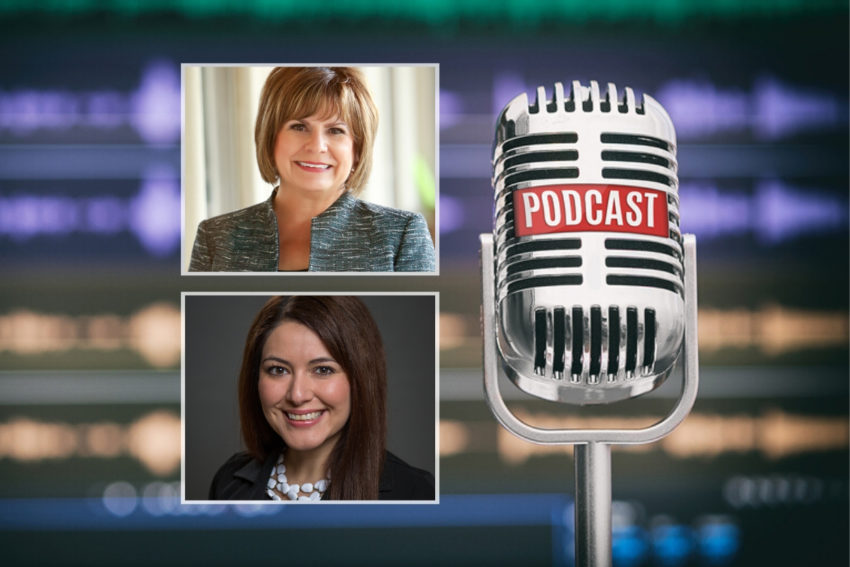
Dr. Amelie Ramirez, Director of Salud America! at UT Health San Antonio, and Rosalie Aguilar, National Project Coordinator, discussed some of the challenges U.S. Latinos face amid the COVID-19 pandemic, on a recent episode of The Nation's Health, The American Public Health Association (APHA) podcast. On the podcast, Ramirez and Aguilar talked about: How COVID-19 impacts U.S. Latinos differently
The important role language plays during a pandemic like COVID-19
Promoting health equity during the pandemic
What public health practitioners can do to close the gap and lessen the harmful impact on Latino communities Latinos already face a number of health disparities due to underlying inequities in poverty, access to quality and affordable housing, jobs, and ...