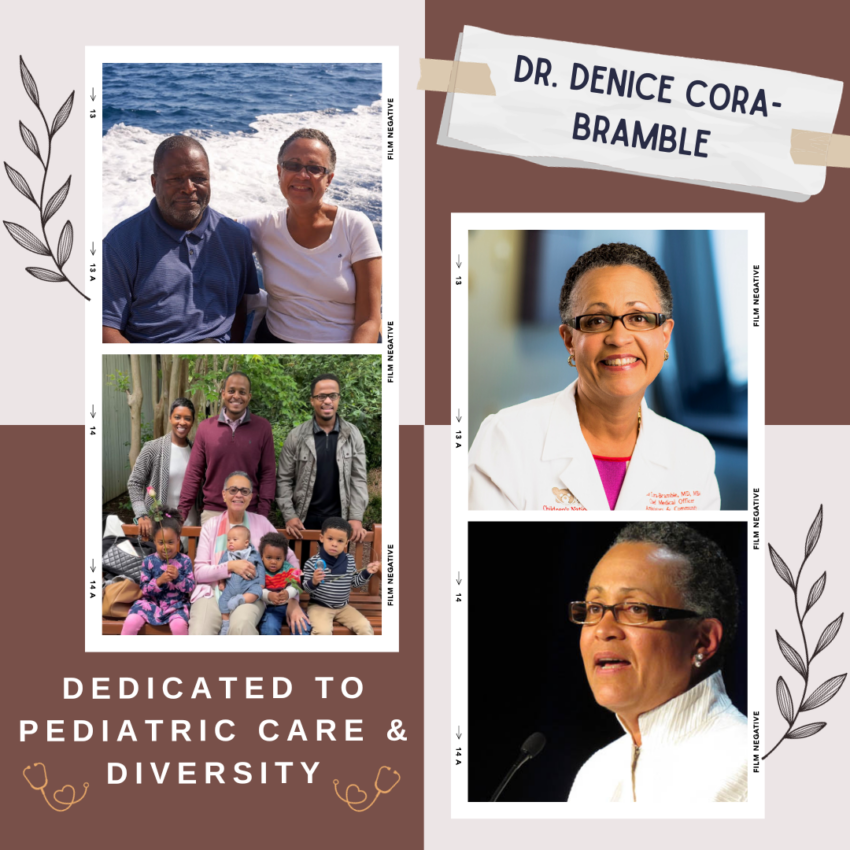
Dr. Denice Cora-Bramble loves children. From an early age, she knew that she wanted to be a pediatrician. Her professional child-focused journey has culminated a long and successful career at Children’s National Hospital where she currently serves. “I’ve always been intrigued by children,” Dr. Cora-Bramble said with a contagious smile. "They're interesting little people.” Growing up in Puerto Rico, Dr. Cora-Bramble was introduced to medicine as a child. Her aunt, who she admired greatly, was an OBGYN and one of just five females in her medical school cohort. “She was also a mother of five,” Dr. Cora-Bramble said. “I admired how she managed being a mother and being a physician; she was a great inspiration for me from the time I was very young.” Dr. ...
Did you know that 1 in 10 Latino have been diagnosed diabetes? In fact, the rate of diabetes is higher among Latinos (11.8%) than Whites (7.4%) and Asians (9.5%), according to CDC data. This is problematic because the disease takes a harsh physical toll, from vision loss to amputation and death, and a big healthcare toll, costing $237 billion in direct medical costs and $90 billion in lost productivity. For Latinos who have diabetes, having health insurance is critical to managing the disease. Let’s explore the state of diabetes among Latinos and what to consider when choosing a Medicare plan to help manage the disease.
Latinos and Diabetes Risk
If you’re a Latino adult, your lifetime chance of developing diabetes is over 50%, and you’re likely to ...
By Dr. Fátima Coronado
CDC, Salud America! Guest Blogger Hispanic Heritage Month (Sept. 15-Oct. 15) is a time to recognize and honor the Hispanic and Latino community’s achievements and contributions to the nation’s history. It’s an occasion to highlight the positive influence of Hispanics and Latinos throughout the country’s history. This year we take the opportunity to recognize that our country is stronger, healthier, and safer when we recognize our shared humanity and value every individual and community: Todos Somos, Somos Uno: We Are All, We Are One. As the US population becomes more varied, Hispanic Heritage Month offers a valuable opportunity to foster understanding and appreciation, break down incorrect recognitions, and promote the need for more Latinos in ...
Parkinson’s disease is a brain disorder that causes uncontrollable movements, such as shaking, stiffness, and difficulty with balance, according to the National Institute on Aging. But what do you really know about Parkinson’s and your risk? Let’s dive into the causes, symptoms, and treatment of Parkinson’s and how it impacts Latinos and all people.
What Causes Parkinson’s Disease?
Parkinson’s disease is a progressive and chronic nervous system disorder that affects movement and is caused by destroyed nerve cells in the brain. “A decrease in dopamine levels leads to abnormal brain activity, causing symptoms of Parkinson's disease. However, it is currently unknown what causes the death of neurons in the brain,” according to dementia.org. While ...
Medicare can be a complex topic for anyone. Getting health insurance coverage through Medicare has many moving parts, from knowing where to start, to searching through plans, to choosing the right plan for you. Let's dive into Medicare and a few helpful tips to consider when choosing your plan.
What is Medicare?
Medicare is the federal health insurance program for people who are 65 or older, regardless of income, medical history, or health status. The program also covers certain younger people with physical and mental challenges and people with End-Stage Renal Disease (ESRD; permanent kidney failure requiring dialysis or a transplant). “Medicare plays a key role in providing health and financial security to 60 million older people and younger people ...
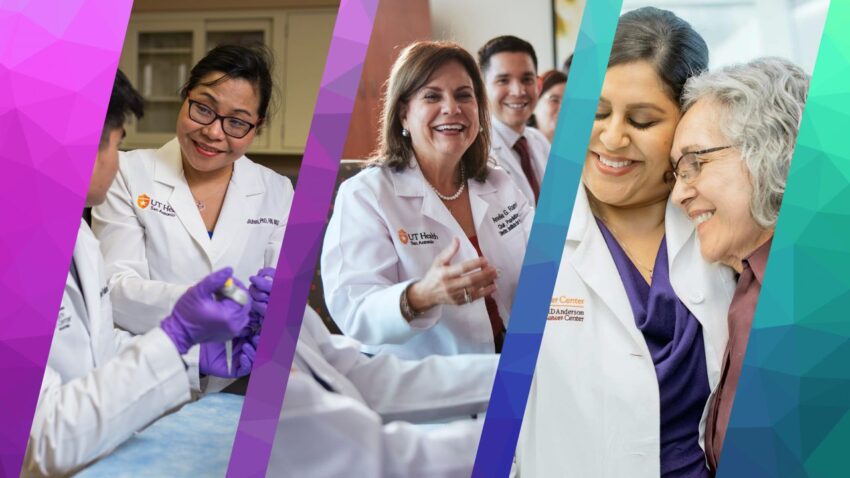
UT Health San Antonio, including Dr. Amelie G. Ramirez, and seven regional collaborators will leverage $46 million from the National Institutes of Health (NIH) over the next five to seven years to translate scientific discoveries into therapeutic benefits for human health and well-being. A key focus will be reducing health differences among Latinos (particularly Mexican Americans), active military personnel, and veterans. Dr. William L. Henrich, president of UT Health San Antonio, recently announced the funding from the NIH Clinical and Translational Science Awards (CTSA) Program. Henrich thanked partners including The University of Texas at Austin Dell Medical School and College of Pharmacy, The University of Texas at San Antonio and the Texas Biomedical Research Institute for ...
Many healthcare facilities require healthcare staff to complete regular sensitivity trainings on competency, bedside manner, and similar topics. These trainings can help providers deliver compassionate care for overlooked patients. But, as more healthcare systems go the extra mile to create a non-medical drivers of health (NMDoH) screening program to care for patients’ non-medical needs, staff may need additional resources to guide conversations that are often deeply personal for some patients. Here’s how healthcare staff can build rapport with patients and gain confidence in discussing NMDoH, from housing to income.
Put Yourself in the Patient’s Shoes
Think about your patient’s demographics. What non-medical challenges to health do they face? What needs do they ...
A few years ago, scientists advised federal leaders to adjust the Dietary Guidelines for Americans to lower added sugar intake from 10% to 6% of daily calories and reduce men’s daily alcohol intake from two to one drink a day. That advice was not taken. Now those scientists – the Dietary Guidelines Advisory Committee – are asking for public comment as they again prepare to recommend changes to the dietary guidelines. This is an opportunity to speak up for nutrition! Submit a model comment created by Salud America! to urge lower added sugar and alcohol intake in the 2025-2030 Dietary Guidelines for Americans! The comment period opened Jan. 19, 2023, and closed on Oct. 1, 2024. October 2024 UPDATE: 266 Salud America members submitted our model comment ...
The Susan G. Komen Foundation is working to discover cures for breast cancer faster with ShareForCures. ShareForCures is a breast cancer research registry that connects researchers with information from people who have or had breast cancer. “The goal of ShareForCures is to focus on research that will have the most significant impact for people affected by breast cancer,” according to the registry website. Here’s how you or someone you know can participate in ShareForCures!
Join ShareForCures
Individuals interested in participating in the registry can start by creating a free MyKomen + Health account and complete the ShareForCures registration. Participants are asked to complete informed consent and medical release forms. “Information that could ...