The coronavirus, COVID-19, can affect anyone. But reports show Latinos and other overlooked populations are more affected, amid worsening health differences. What are the data really showing? UPDATE 3/5/24: CDC releases new COVID-19 death rates by background. COVID-19 Case Rates for Latinos
The U.S. population recently rose to 19.1% Latino. At the outset of the pandemic, COVID-19 sickened many Latinos. Variants like Delta and Omicron sparked case surges, too. Latinos comprised 24.3% of COVID-19 cases in the United States, second only to Whites (53.8%), according to CDC data on health improvement and cases on April 19, 2023. As of March 5, 2024, CDC is no longer maintaining incidence rates by background on this web page. Several states experienced Latino coronavirus ...
Many know of the harms and health risks of smoking and secondhand smoke. However, you may not have heard of thirdhand smoke, which is the chemical pollutants that linger and settle indoors after tobacco is smoked. “The chemicals in thirdhand smoke include nicotine as well as cancer-causing substances such as formaldehyde, naphthalene and others,” according to the Mayo Clinic. Policy gaps are failing to protect the public from thirdhand smoke, according to a recent study. The study suggests that policies safeguard against thirdhand smoke even as they protect against secondhand smoke exposure by prohibiting indoor smoking in public places. “While these measures have been instrumental in protecting public health, saving lives, and reducing health care ...
The National Eye Institute (NEI) is framing the way for future success in a career in health and science for teens by holding its annual Eye on the Future campaign.
Just like last year, the Eye on the Future campaign kicks off with a $2,000 teen video contest.
“We created the [contest] because we want to hear from the next generation of scientists (that’s you!) about why science is so important,” according to the NEI website. “And we want to encourage high school students from all backgrounds to learn more about science.” Submit a Video to the ‘Eye on the Future’ Teen Video Contest
Interested high school students can enter NEI’s Eye on the Future contest by submitting a 30-second-to-3-minute video showcasing one of three categories, as per the contest ...
You are invited to join the Leukemia & Lymphoma Society (LLS) for a free Spanish-language event in San Antonio to help Latinos learn and respond to their cancer risks! The event, "Aprendiendo Sobre Los Cánceres Que Afectan a Los Latinos y Cómo Enfrentarlos," is set for 6-8 p.m. Thursday, Feb. 15, 2024, at Pappadeaux Seafood Kitchen, 76 NE Interstate Loop 410, San Antonio. Dinner is free! Registration is required. "This is a unique opportunity for patients, caregivers, and the community to learn from experts on topics, including learning what cancers that most affect our Latino community," according to LLS. REGISTER FOR THE EVENT!
About the Event on Latino Cancer
Latinos are a dynamic, rising population. But cancer threatens the future health of the U.S. Latino ...
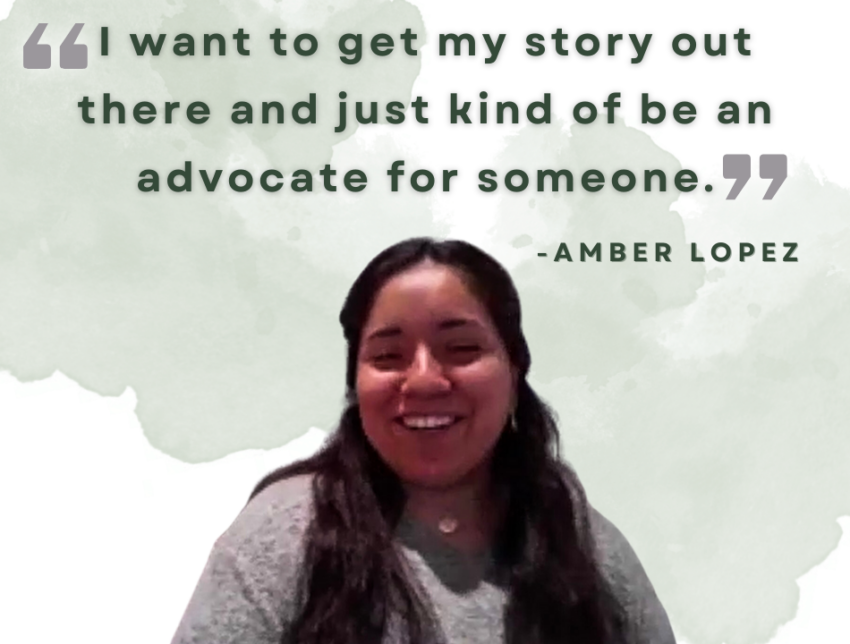
News of a cancer diagnosis is the last thing anyone wants to hear. It can be especially devastating for a teenager with no family history of cancer. That was reality for Amber Lopez. Lopez, a San Antonio resident who began experiencing symptoms around age 14, was eventually diagnosed with cervical cancer a few years later at 18. “When you hear that word cancer, you’re kind of like, 'Oh, my God. OK. So, does that mean like, I’m going to pass away? How does this work?'” Lopez said. Since her diagnosis, Lopez has overcome many challenges in her cancer journey. Now she’s sharing her story through the Avanzando Caminos study at UT Health San Antonio to give hope to other Latino cancer survivors.
Navigating Her Cancer Diagnosis
Latinas ...
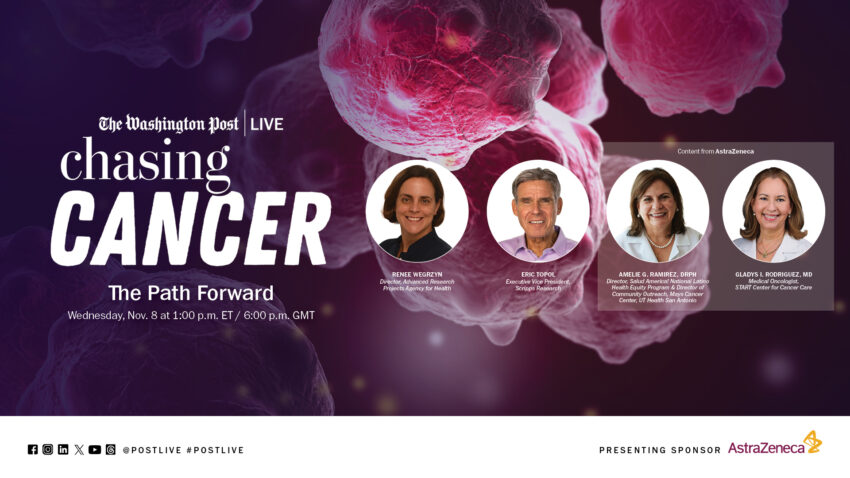
Dr. Amelie G. Ramirez, leader of Salud America! at UT Health San Antonio, joined The Washington Post's live show to share how cancer screening can help patients get diagnosed and treated earlier. The show, "Chasing Cancer: The Path Forward," sponsored by AstraZeneca, took place Nov. 8, 2023. In the first part of of the show, Renee Wegrzyn, director of the Advanced Research Projects Agency for Health (ARPA-H), and Eric Topol, executive vice president of Scripps Research, discussed how technological advancements and AI are changing how cancer is diagnosed and treated. In the second part of the show, Ramirez teamed with Dr. Gladys I. Rodriguez, a medical oncologist with the START Center for Cancer Care, to discuss innovative initiatives make it easier to access early screenings for ...
The amount of Americans who are food insecure — without enough food for a healthy life for all family members — is on the rise, according to a new USDA report. 12.8% of Americans struggled with food insecurity in 2022, up from 10.2% in 2021. Latino households experienced the largest spike. “Too many of our neighbors struggle to put healthy food on the table," said Agriculture Secretary Tom Vilsack. "[The data] paint a picture of just how many Americans faced the heartbreaking challenge last year of struggling to meet a basic need for themselves and their children." Let's explore the report and the issue of food insecurity among Latinos.
How Many Latinos Experience Food Insecurity?
U.S. food insecurity had been in decline for several years. But, after the food ...
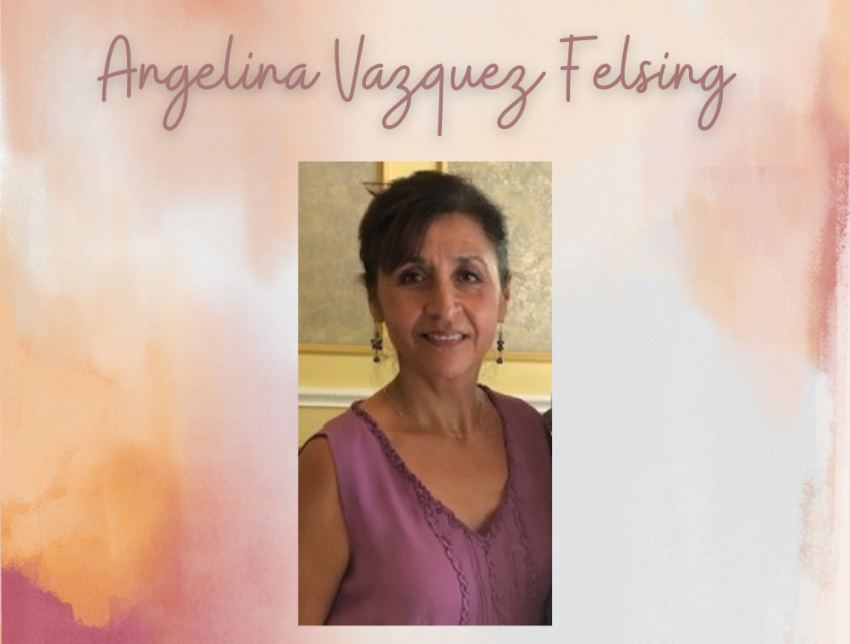
“It was kind of a fluke.” That’s how Angelina Vazquez Felsing describes the events that led to her diagnosis of lung cancer. Like many, Vazquez Felsing maintained a healthy lifestyle. She didn’t smoke. She ate healthy, ran regularly, and had no family history of cancer. Vazquez Felsing, who immigrated from Mazatlán, Mexico, in 1972, grew up in the Floresville area and has lived in San Antonio for many years. It all started when Vazquez Felsing went to her yearly checkup through the wellness program at her job, where she has worked as a systems analyst for 17 years. “They found something that was a little bit odd. They said, ‘Well come back in a year, and we'll do another CT scan,’” she said. “And when I went back, they found that whatever ...
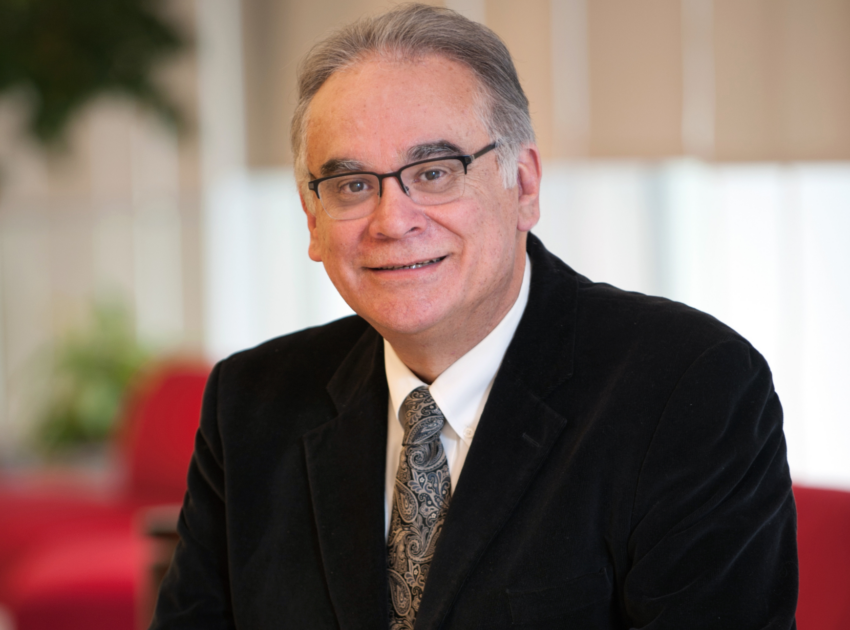
Growing up, David Acosta was blessed to be part of a loving family with his mother and father, four brothers, and an abuelita in Southern California. They found joy in helping each other and others. Acosta realized in childhood he wanted to choose a future career that would bring joy to others – he decided to become a doctor. "I knew from an early age that I wanted to go into medicine and help out,” Acosta said. “My family [was] probably most instrumental in me going down this path.” Acosta went on to get his medical degree, practice medicine, and now serves as workforce leader at the Association of American Medical Colleges (AAMC). But his path wasn’t always easy.
The 'Familia' Side of Medicine
Acosta was introduced to medicine and its ...