Hispanic? Latino? Latinx? People often debate the best term to use when describing the ethnicity of those who trace their heritage from Latin America and Spain, who comprise 18.5% of the U.S. population. “There’s no correct term to use, and appropriateness varies when using Latino, Hispanic, Latinx, or country of origin,” said Dr. Amelie G. Ramirez, director of Salud America! at UT Health San Antonio. Let’s talk about the origins of these terms, who uses them, and what the data says about this population’s own preferences.
The Origin of “Latino”
The term we use at Salud America! to describe this group is “Latino.” “Latino,” or the feminine “Latina,” is used to describe people with ancestry from Latin American countries. Unlike “Hispanic,” the ...
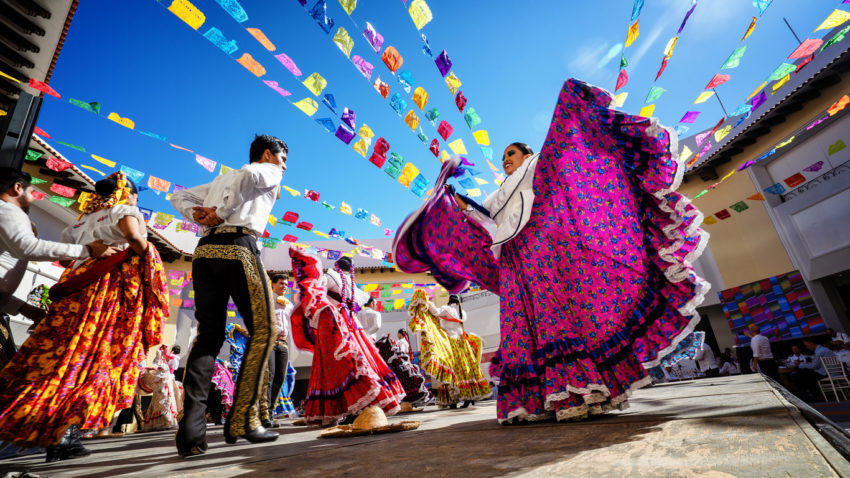
Hispanic Heritage Month is here! This annual U.S. observance, from Sept. 15 to Oct. 15, celebrates the histories, cultures, and contributions of Americans whose ancestors came from Spain, Mexico, the Caribbean and Central and South America. We at Salud America! invite you to celebrate Hispanic Heritage Month in these awesome ways.
1. Learn How Hispanic Heritage Month Started
U.S. Congressmen Edward R. Roybal of Los Angeles and Henry B. Gonzales were among those who introduced legislation on the topic in 1968. President Lyndon Johnson implemented the observance as Hispanic Heritage Week that year. U.S. Rep. Esteban E. Torres of Pico Rivera proposed the observance be expanded to cover its current 30-day period. President Ronald Reagan implemented the expansion to Hispanic ...
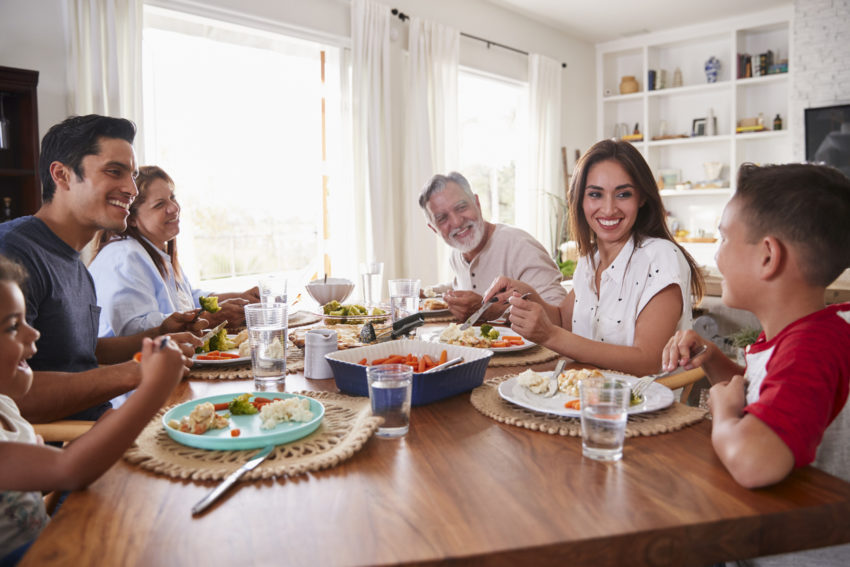
Family is a critical aspect in the lives of many Latinos. Moreover, research has shown that members of Latino families can heavily influence each other when it comes to physical, mental health and a wide range of political views. This includes the way this population views climate change, according to a recent report from Cornell University. “Feeling a sense of connection and commitment to your family, and believing that family considerations should guide our everyday decisions, may shape consensus views within a family, including for a societal problem like climate change,” Adam Pearson, an associate professor of psychological science at Pomona College, told the Cornell Chronicle. “And this may have implications for the sharing of climate beliefs and concerns within Latino ...
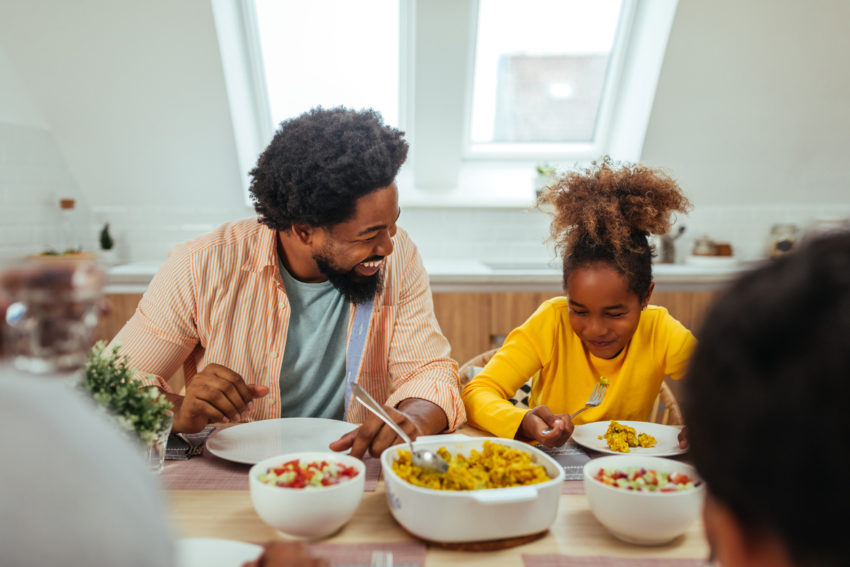
Lack of nutritious food can result in countless physical, social, and mental health complications. For many Latino families, governmental assistance programs, such as the Supplemental Nutrition Assistance Program (SNAP), put food on the table and uplift out of poverty. But health experts say federal food aid needs expansion to help families in need. Fortunately, the Biden administration recently announced the modernization of the Thrifty Food Plan—used to calculate SNAP benefits—and a 25% rise the average SNAP benefit, the largest single increase in the program’s history. “The background formula was based on food preparation costs and nutrition standards that were developed in 1975,” Emily Weikert Bryant, executive director of Feeding Indiana’s Hungry told the Indy ...
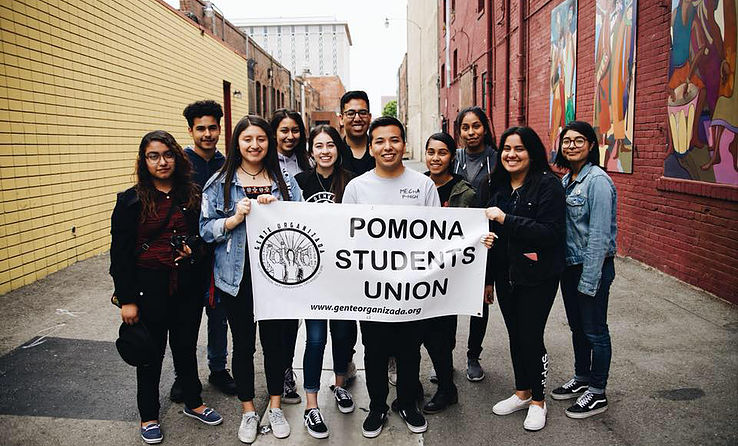
Thanks to the efforts from the student-led community organization Gente Organizada, Pomona Unified School District will no longer allow police patrols to monitor campuses. The decision comes after years of campaigning against discriminatory practices by school police, which was amplified after the racial justice protests of 2020. Removing school police means Latino youth are safer from discrimination in school, as Pomona (71% Latino), a city in Los Angeles County, is home to many Latino and immigrant families. “This is a milestone that has been met,” said Caroline Lucas, a Pomona youth organizer, according to Los Angeles Times. “For me, it means that leaders can experiment with what transformative activists have been trying to do.”
A Campaign Sparked by an Act of ...
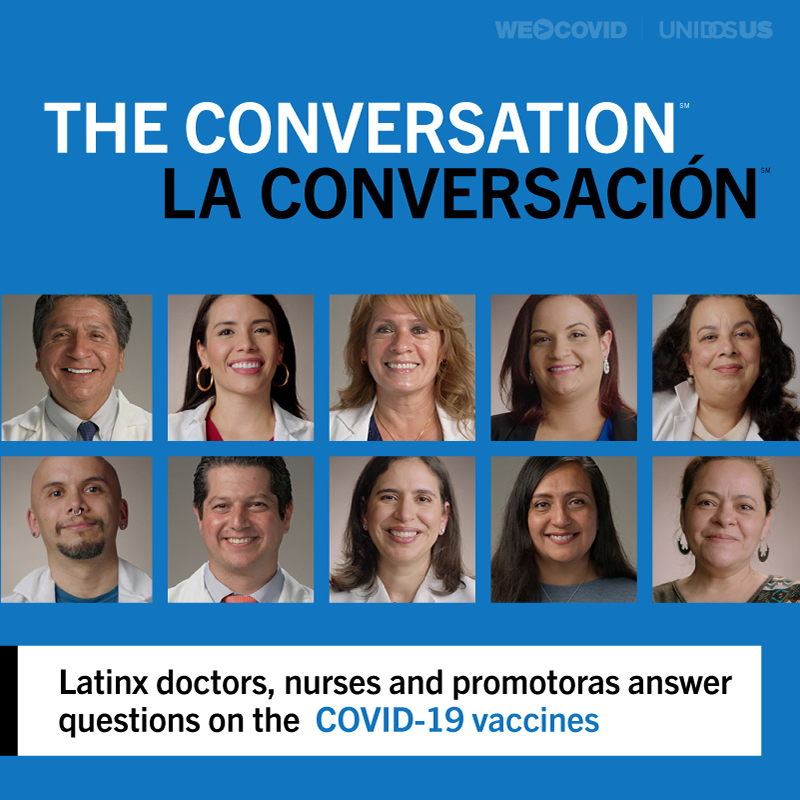
Latinos are getting vaccinated for the COVID-19 vaccine at much lower rates than other groups. This mainly due to a lack of vaccine confidence and abundance of misinformation that is targeting Latinos, who have been disproportionately affected by COVID-19. That’s why Greater than COVID partnered with UnidosUS to launch a new bilingual video series, THE CONVERSATION / LA CONVERSACIÓN, to combat vaccine misinformation. By interviewing Latino healthcare workers who answer big questions, the series aims to promote vaccine confidence and urge Latinos to get vaccinated. “This is our chance to protect ourselves, those we love and our communities so we can start to heal,” said Dr. Ana G. Cepin, a doctor in the video series.
About the Video Series
THE CONVERSATION / LA ...
Loss of physical activity can harm physical, emotional, and social health. Amid COVID-19 illness and isolation, some youth and families have experienced a loss of physical activity, according to a new report from Safe Routes Partnership, “One Step Forward, Two Steps Back: COVID-19’s Impact on Youth Physical Activity and Safe Routes to School.” The report explores research and expert perspectives on COVID-19’s impact on physical and emotional health to paint a holistic picture of how physical activity has changed during COVID-19. The report also has recommendations for supporting physical activity strategies and centering physical, emotional, and social health in equitable pandemic recovery plans. Our team at Salud America! was honored to contribute to this report ...
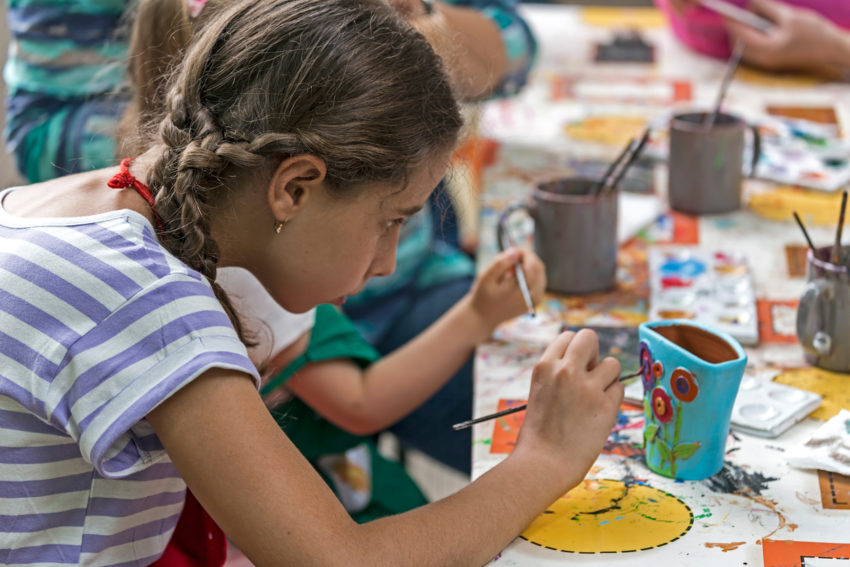
A new method is emerging to help children heal from trauma – art therapy. More mental health clinics, like the Children’s Bereavement Center of South Texas, are beginning to use art to help children with the healing process. Mental health professionals hope that art therapy can help children process adverse childhood experiences (ACEs), which is growing to be a public health crisis. “Art therapy helps one process emotions and feelings that one is struggling with, so that he or she can begin healing,” said art therapist Savita Jakhar Gandash, according to The Interview Portal. Read about what art therapy is and how Latino children can heal from ACEs and trauma.
What is Art Therapy?
Art therapy is a mental health service that utilizes creativity to help people resolve ...
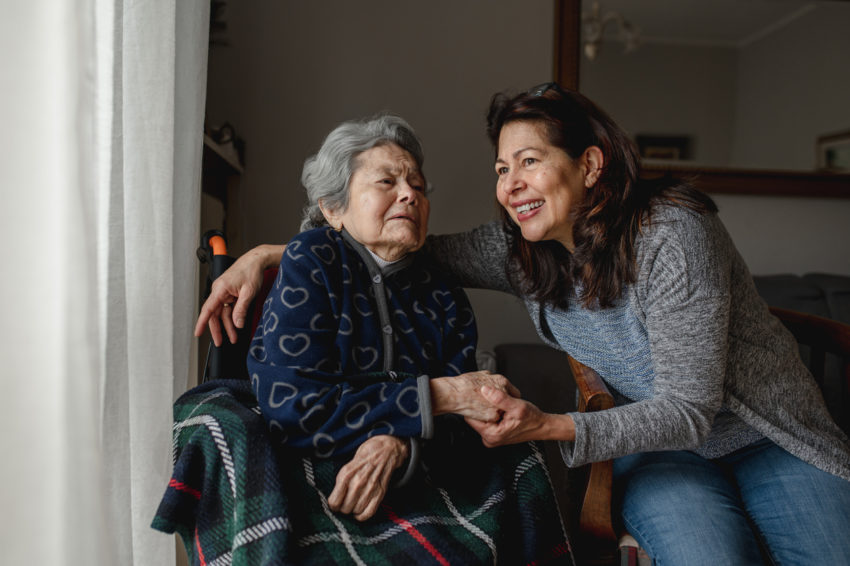
Latinos spend $7,167 a year caring for aging loved ones, says an AARP survey. While this is actually less than what Whites caregivers spend out of pocket a year ($7,300), the financial strain is greater because it represents almost half the income of Latino caregivers, according to the report. Currently, over 48 million Americans provide unpaid care to an adult family member or friend who has a physical health condition or a mental health issue like Alzheimer's and dementia. Most caregivers say they use their own money to look after their loved ones, like rent or mortgage payments, home modifications like wheelchair ramps, and medical costs. "About half of caregivers say they have experienced financial setbacks. This may mean they have had to curtail their spending, dip into ...