Too many social support tasks fall to armed police officers. As local leaders discuss COVID-19 recovery plans, they need to consider how to address these social support issues in tandem with economic issues. Many cities are exploring how to reform or reimagine police. This often includes partnering with community-based social, behavioral, and mental health services. However, community partners may lack capacity for city-wide change. That’s why cities need to build a community-based workforce to coordinate community development, help families recover from the pandemic’s economic fallout, and reform police, simultaneously.
Expensive Spending on Traditional Policing
Public safety is a major city expense. Of the 50 largest cities, spending on police accounts for the ...
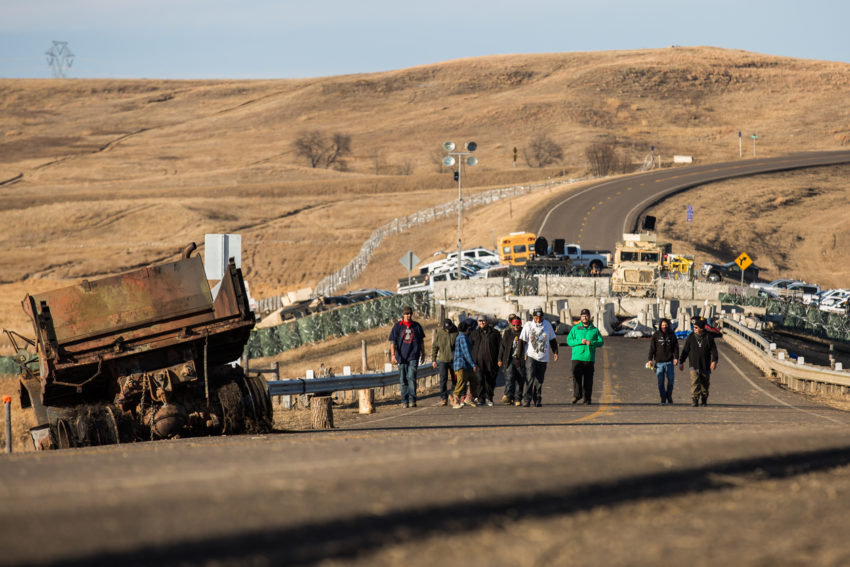
For years, one disadvantaged community of color, the Standing Rock Sioux tribe, have been fighting a battle for their land against big oil. The Dakota Access Pipeline is the center of that battle. The tribe urges—along with numerous environmental activists—for courts to halt its use. More than just an infringement on that territory, this issue raises numerous environmental concerns. Despite some wins against Energy Transfer LP, the pipeline’s operators, courts are still allowing for the pipeline to remain operational during the suit’s proceedings. Worse, as the COVID-19 pandemic continues to spread throughout the country, scientists and researchers are discovering more about how harmful environmental exposures, such as noxious fumes from oil, can impact those infected by ...
The U.S. Latino population grew to 60.6 million in 2019, a record 18.5% of the total population, according to new Census Bureau data. Here are all the details you need to know.
The U.S. Latino Population Continues to Grow
The U.S. population reached 328,239,523 in 2019. Latinos reached 60,572,237 in 2019. Now at 18.5% of the U.S. population, Latinos are the second-largest racial/ethnic group, behind non-Latino Whites (60.1%). They have greater numbers than Blacks (13.4), Asians (5.9%), and American Indians or Alaska Natives (1.3%). Latinos accounted for 16% of the U.S. population in 2010. In fact, the U.S. Latino population is up by 10,093,626 from 2010 to 2019, or 20% growth, according to the new Census Bureau data.
Growth of the U.S. Latino Population Is Slowing
Even ...
Walking and biking are critical transportation options for physical and mental health. More importantly, they are essential to get to destinations, particularly Latinos during the coronavirus pandemic — including those who are simultaneously less likely to work from home than their white peers and more likely to be impacted by job loss. When the pandemic began, the portion of auto loan accounts in financial hardship jumped from 0.64% in March to 3.54% in April, according to TransUnion. Financial hardship status is defined by factors incliuding: A deferred payment or frozen past-due payment because a person is unable to keep up with payments due to a change in financial circumstances, such as loss of a job
Significant cut in hours or pay
Medical illness To recover and ...
We're seeking a top-notch communications specialist to join our communication team at Salud America!, our national Latino health equity organization based at the Institute for Health Promotion Research (IHPR) at UT Health San Antonio. The position will write, edit, and communicate health content and messages for the IHPR. This includes digital content curation for the IHPR's Salud America! project, as well as assisting in the production of numerous IHPR internal and external communication vehicles, such as newsletters, email blasts, presentations, websites, social media, press releases and more. Apply Now!
Details for the Communications Specialist Position
A bachelor's degree and two years of related experience is required. Also preferred experience includes: Knowledge ...
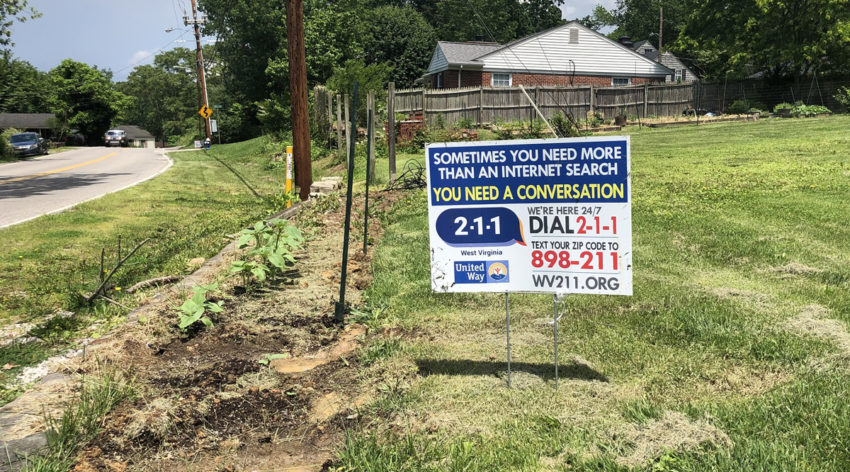
As educators quickly adapted to virtual platforms to stay in academic contact with students after schools closed due to the coronavirus pandemic, many at-risk students were stranded in potentially unsafe, traumatic home situations. How could schools, while closed, still check on child welfare and connect families to resources? To answer this question, child advocates started brainstorming. West Virginia, Massachusetts, and Oklahoma advocates launched a bi-weekly Brainstorming Group March 25, 2020, to share best practices, recommendations, and resources to help these kids. Soon, advocates joined from Ohio, Maryland, Florida, and Texas (including Salud America!). The group generated four main recommendations:
1. Continue Sending ‘Handle With Care’ Notifications
Did you ...
Latinos workers are essential to the economy. Although, some have worked throughout the pandemic, others are now facing unemployment. At the same time, many will soon be returning to work. Many Latinos hold jobs at meat packing plants, childcare, health care and other positions on the frontlines (i.e. restaurants, retail, etc.). Only 16% of Latino workers are able to work from home, so what does this mean for Latinos and their loved ones? What can we do to advocate for their safety? Let’s use #SaludTues on Tuesday, June 2, 2020, to discuss ways to provide support and promote a healthy environment for Latino workers and their loved ones amid the COVID-19 pandemic, this National Safety Awareness Month! WHAT: #SaludTues Tweetchat: Latinos and Workplace Safety Amid ...
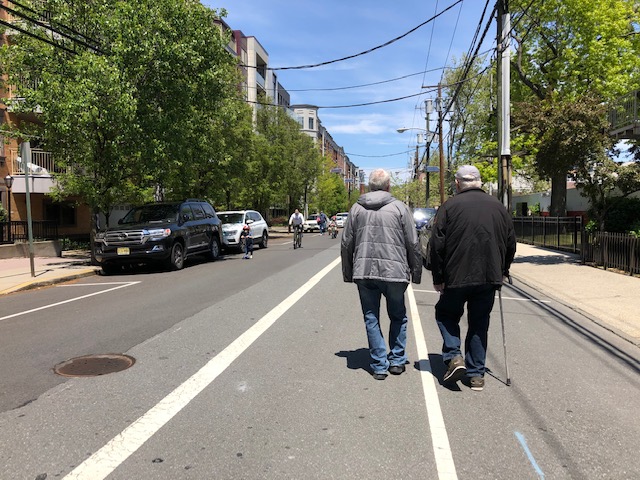
Medical and public health experts agree that being active outside is crucial to maintaining physical and mental health. However, overcrowding in parks, sidewalks, and on trails can become a serious issue during COVID-19. Pedestrian safety is also a serious issue because although vehicle travel is down, crashes and fatalities are up. Cities across the world are responding by temporarily reallocating street space for people walking, biking, rolling, and skating to practice physical distancing from others. Everyone deserves safe places to be physically active and safe routes to get to essential destinations. Let’s use #SaludTues on May 26, 2020, to tweet about the importance of equitably sharing streets during a crisis problem. WHAT: #SaludTues Tweetchat: “How to ...
U.S. Latinos already bear an extraordinary burden of COVID-19 cases and deaths and health and social inequities. Now job loss and stress are piling up for Latinos, according to new surveys.
What about Latino Job Status, Finances amid Coronavirus?
The financial toll of the coronavirus outbreak has hit Latino Americans especially hard, according to a Pew Research Center survey on May 5, 2020. Here are some key survey findings: 61% of Latinos report they or someone in their household experienced a job or wage loss due to coronavirus. Only 38% of white adults report the same. These shares were up from 49% and 29%, respectively, in a March 2020 survey.
70% of Latinos report they did not have emergency funds to cover three months of expenses. This compares to 47% of whites.
...