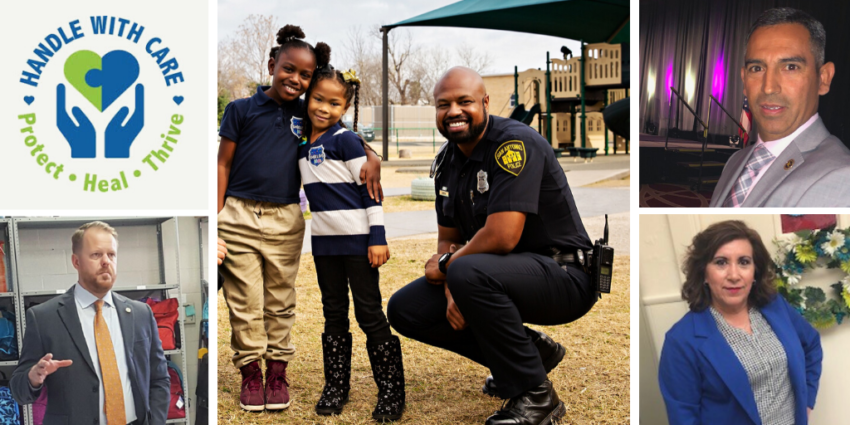
Over the past few years, dozens of U.S. schools launched the Handle With Care program to better support students facing childhood trauma like poverty and domestic violence. For the program, police alert school leaders when they encounter a child at a traumatic scene, so schools are prepared to keep an eye on the student and provide support or services. But now schools are closed due to coronavirus. So how are these schools adapting the Handle With Care program and maintaining meaningful connections with students in the face of school closures? We asked three people who got the Handle With Care program started in San Antonio.
How Did Handle With Care Begin in San Antonio?
Read or watch how Diana Centeno of San Antonio ISD (SAISD), John Hernandez of East Central ISD (ECISD), ...
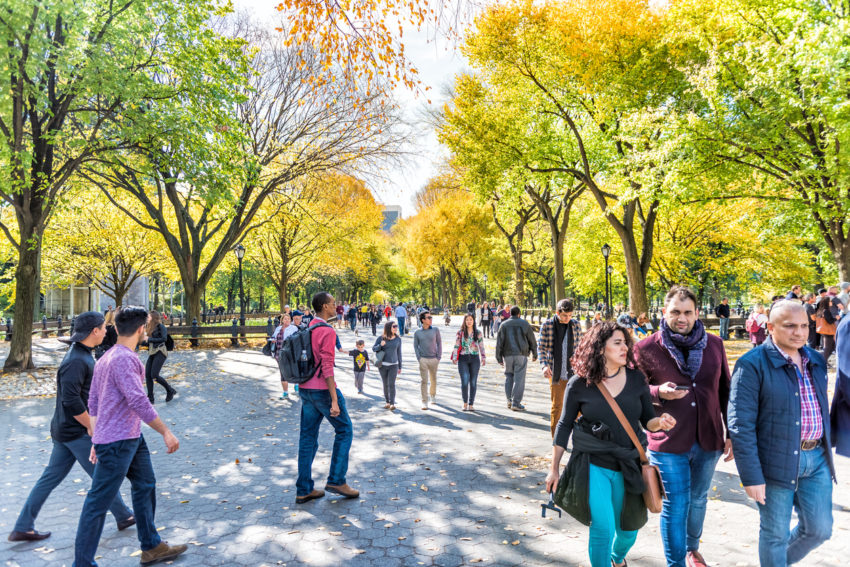
With schools and retail stores closed to prevent the spread of COVID-19, more people are going outside to walk and bike in communities across the country. Philadelphia and New York are closing some streets to cars and open them to people walking and biking. This gives people room to practice six-foot social distancing rules as they pick up groceries, get physical activity, and grab some fresh air amid the coronavirus lockdown. But some cities and states are closing parks amid virus fears. This worsens existing inequities in access to green and open spaces for Latinos and other disadvantaged communities. Equitable access to green and open spaces is more important than ever.
Outdoor Recreation is Surging during Coronavirus
Social media is abuzz about the spike in people outside ...
As the current novel coronavirus continues to spread, one fact has become clear: Governments around the globe were not prepared — especially concerning environmental impacts. While there is no direct link between pollution and the risk of developing COVID-19, yet, studies have shown that poor air quality can raise one's susceptibility to disease. Worse, high rates of toxic exposure can lead to poorer outcomes of those illnesses. Disadvantaged groups, including Latinos, are in greater jeopardy as they are the ones who live in the areas with more significant amounts of air pollution. "There's lots of evidence that air pollution increases the chances that someone will get pneumonia, and if they get pneumonia, will be sicker with it," Aaron Bernstein, interim director of the ...
Cancer patients are at higher risk for the new coronavirus COVID-19, as well as more severe outcomes of the diseases, than those without cancer, health experts say. What does this mean for your cancer journey? For treatment? Screening? Clinical trials? Latinos and vulnerable populations? "We don't want to be overly alarming, but the truth is that Latino and all cancer patients should be concerned about COVID-19 because they are at higher risk," said Dr. Amelie G. Ramirez, leader of Salud America! and associate director of community outreach and education at the Mays Cancer Center at UT Health San Antonio. "So we want to help spread truthful, equitable information that will help all cancer patients in their journeys." Here are some important issues for cancer patients and ...
Clean hands are critical to reduce the spread of infection, particularly coronavirus (COVID-19). However, washing with soap and water isn’t always option. In 1966, nursing student, Lupe Hernandez, realized alcohol in gel form could be an effective way to clean hands when soap and water weren’t available. She called an inventions hotline to learn about patenting hand sanitizer. Over 50 years later, Hernandez's invention is still saving lives against threatening diseases and protecting brave medical professionals. Hand sanitizer sales and wipes has grown steadily. They expanded beyond hospitals and care homes to supermarkets and personal accessories. The U.S. market of hand sanitizer was $28 million in 2002. In 2009, hand sanitizer sales soared in the wake of ...
U.S.-born Latino youth with immigrant parents suffer "significantly increased" anxiety over immigration since the election of President Donald Trump in 2016, according to a recent study. Researchers in California and Arizona studied 397 U.S. citizen children of Latino immigrants. They compared children before the election at age 14 and after the election at age 16, to see if their concerns over immigration policy linked up to worse mental, physical health. Nearly half the youth worried "at least sometimes" about U.S. immigration policy. That included whether they'd be reported to immigration officials or their parents would be deported. Their health problems surged after the 2016 election, according to the study. "Fear and worry about the personal consequences of current U.S. ...
Updated 7/15/21 For more than a year, the COVID-19 pandemic has afflicted many. In the U.S., certain local, state governments declared lock-downs and stay-in-place quarantines — efforts geared at limiting the spread of the novel COVID-19. Then lock-downs reopened, then locked down again as cases rose. Across the world, cases and deaths continue, as does public health responses, including vaccines. Governments, businesses, and people continue to grapple with the coronavirus pandemic. Latinos are experiencing worsening health inequities, disparities in exposure, testing, prevention and treatment, and job impact. Latinos are experiencing disproportionately more cases and deaths, too. As equitable vaccine distribution becomes the focus, Latinos aren't getting enough ...
YOU. ARE. AWESOME.
You care about supporting kids who suffer trauma (even when school is out for summer or COVID-19) ... and this Action Pack can help you!
Our team at Salud America!, led by Dr. Amelie Ramirez of UT Health San Antonio, is excited you're taking this big step to start a "Handle With Care" program in your area. Handle with Care enables police to notify schools when they encounter children at a traumatic scene, so schools can provide support right away, even if support is virtual while schools are closed for summer or a pandemic. This Action Pack, built with help from Andrea Darr of the West Virginia Center for Children’s Justice, has 5 steps to help you start Handle With Care from starting the conversation, to crafting a notification system and program, to sharing ...
Early childhood adversity like abuse and divorce is a root cause of many of the greatest public health challenges we face today. But doctors don’t even screen children for exposure to adversity. That’s changing in California, thanks to Dr. Nadine Burke Harris and other child advocates. As of Jan. 1, 2020, almost 100,000 physicians in 8,800 clinics will be reimbursed for routinely screening Medi-Cal patients for adverse childhood experiences (ACEs), in an effort California hopes will help prevent ongoing ACEs-related stress and disease. Here are nine big questions surrounding the change.
1. What Is Childhood Adversity (ACEs) and its Impact?
Adverse childhood experiences (ACEs) include abuse, neglect, divorce, parental incarceration, parental mental illness, etc. These ...