Life after cancer is not easy. Survivors face many concerns. Will my cancer come back? Have my family and work relationships changed? What do I eat and how should I get exercise? What happens if I were to die? Healthcare providers rarely focus on all these areas, together. Dr. Daniel Carlos Hughes and his research team are out to change that. Hughes, a researcher at the Institute for Health Promotion Research at UT Health San Antonio, the team behind Salud America!, is leading a new pilot intervention that takes a holistic approach to improve cancer survivors' quality of life, thanks to $50,000 in funding from the Mays Cancer Center at UT Health San Antonio and SA Cancer Council Circle of Hope. Hughes and his team have designed a holistic intervention to optimize ...
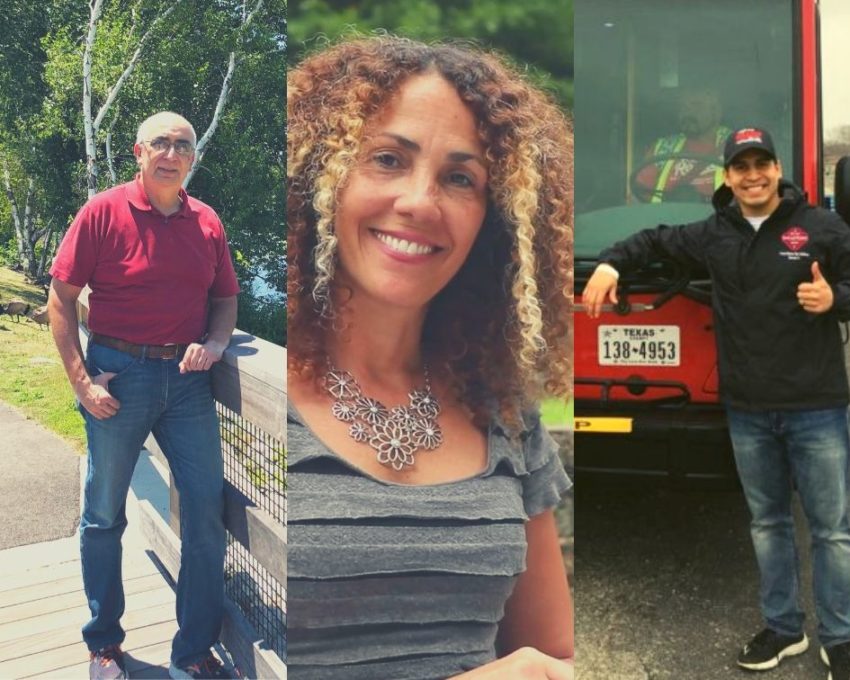
Equitable transportation that is safe, affordable, and reliable can boost a person’s health and social mobility. But too often, public money pays for projects that widen historical gaps in access to transportation options for communities of color. Latinos, for example, face many transportation inequities that cut off connections to health-promoting assets─like affordable housing, green spaces, and medical care. This also makes it harder to lead healthy lives, according to a Salud America! research review, The State of Latino Housing, Transportation, and Green Space. That’s why we at Salud America! are spotlighting three Salud Heroes who are pushing forward for equitable transportation for Latinos and all people!
Minerva Perez’s Free Ride Program Helps Latinos Overcome ...
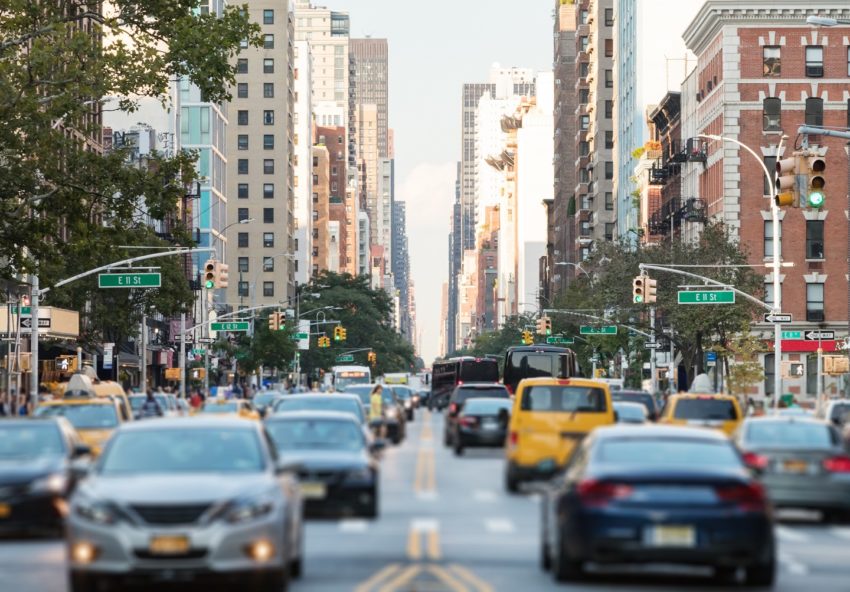
After more than 10 years of advocacy, New York became the first US state to approve a plan to charge drivers to enter highly trafficked areas during peak times, known as congestion pricing. International metropolitan areas, such as London and Stockholm, have implemented similar fees for over a decade. It took a transportation crisis in midtown Manhattan—where congestion slowed drivers to nearly a walking pace—for elected officials to act on congestion pricing. The fees will go into effect by 2021 and will be dedicated to improving public transit.
Hidden Costs
The cumulative cost to drive a car is often the second largest household expense—which can be particularly burdensome for Latino families who are burdened by high housing costs and lack of safe, reliable ...
Once, asbestos was a major health concern — it exposed millions of Americans to harmful toxins through construction materials, home insulation, and talcum powder-based items. Now, despite a reduction in its reach and impact over the years, the mineral is making headlines again. EPA rollbacks and discoveries of asbestos in consumer products have brought asbestos back on the minds of citizens and lawmakers. New Jersey (20.4% Latino) state legislators took steps to protect their constituents through bill A 4416, which bans the sale or distribution of products containing asbestos. “There is absolutely no reason why any New Jerseyans should be at risk of asbestos exposure,” state assembly member Lisa Swain told TAPinto. “While the current Administration in Washington may be ...
Fragrance sprays are used to diffuse scents across the country in public bathrooms, office buildings, private residences, and now airline carriers. While in-flight air fresheners can reduce strong smells, they also can trigger problematic side effects in people who are sensitive to certain chemicals found in those products. Individuals who undergo symptoms from fragrance exposure could be experiencing Toxicant-Induced Loss of Tolerance (TILT). Worse, those who are TILTed could experience a range of health effects during their flights now that more planes will use air fresheners. “Fragrances are to varying degrees toxic, and they are in fact one of the biggest triggers of irritability, mental confusion, and difficulties with concentration or learning,” writes Dr. Claudia ...
Medical access can be a determining factor in whether or not someone lives a healthy life. Lack of healthcare treatment especially impacts undocumented Mexican immigrants, according to new findings published in the Journal of Latinx Psychology. Not only does this have immediate effects on Latinos, but research also shows this demographic can suffer long-term psychological and physical impairments related to their migration, according toTexas Medical Center News (TMCN). “We knew there was a high prevalence of loss and trauma in this population—we expect it because we know the many challenges they face. However, they were so much higher than I could even imagine, particularly in terms of repeated exposure or multiple losses,” said Dr. Luz Garcini, the study’s lead author and a ...
Where you live is significantly linked to how healthy you are. Sadly, U.S. Latino communities face unaffordable housing, unreliable public transportation, and a lack of green space and parks. This limits Latinos’ access to health-promoting assets─medical care, good schools, healthy food, and physical activity. This contributes to health inequities affecting this population. Fortunately, community leaders can adopt dynamic land-use methods, public-private partnerships, and community involvement to build and revitalize Latino neighborhoods. This can create affordable housing, connection to public transportation, and more green spaces. The result is health equity─a fair, just opportunity to achieve the best health possible.
Quick Links
News Release (PDF) Full Research ...
This is part of the Salud America! The State of Latinos and Housing, Transportation, and Green Space: A Research Review » Summary
To improve access to affordable housing near public transport, Latinos would benefit from transport-oriented development projects in their neighborhoods that increase the stock of affordable housing centered around the transport hub. These projects should emphasize strong preemptive community involvement to limit displacement and gentrification that has frequently plagued these projects, and to maintain cultural authenticity in Latino neighborhoods that have undergone revitalization.
What Is Transit-Oriented Development?
Transit-oriented development is a model for neighborhood revitalization that can be defined as ‘walkable, dense, compact, mixed-use ...
This is part of the Salud America! The State of Latinos and Housing, Transportation, and Green Space: A Research Review » Summary
An increasing number of Latinos are burdened by high housing costs and can even face possible eviction, displacing them from urban centers near public transport to the fringes of urban areas, where transport, services, and employment are more difficult to access.
Housing Affects Health
Currently at 58.6 million, Latinos account for more U.S. population growth than any other demographic [1]. Public policy has led to decades of disinvestment in low-income communities and communities of color in the United States, which has led to worsened physical and mental health in these communities [16, 17]. Health equity refers to the ability of all individuals to ...