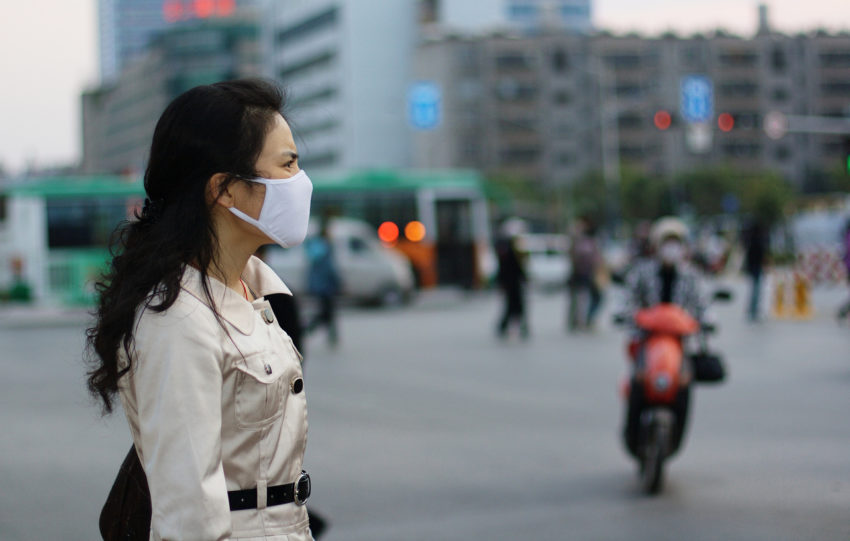
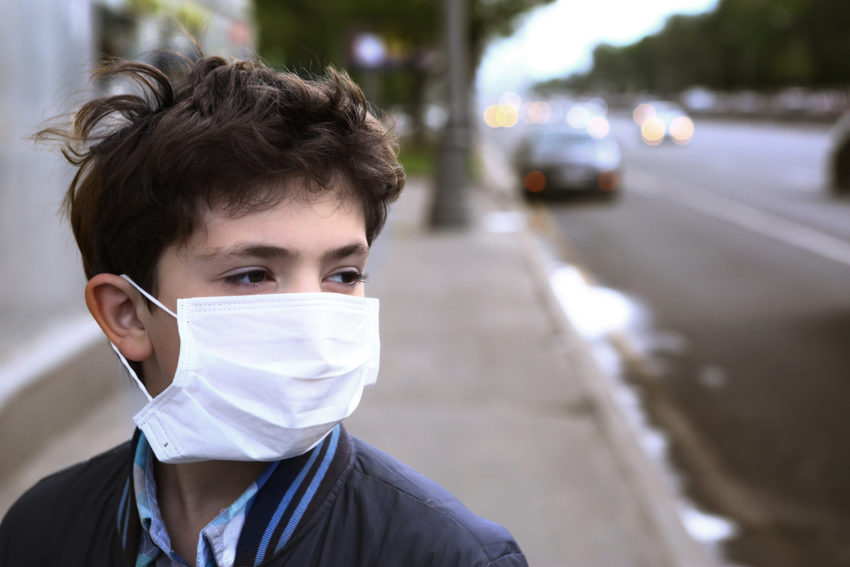
Toxic exposures in the air can trigger severe health problems — worse, certain pollutants are so small that they can enter and harm any part of the body. These microscopic "nanoparticles," emitted from a wide range of products, from candles to cars, can cause numerous illnesses, according to published research. Illnesses include the well-established condition Toxicant-Induced Loss of Tolerance (TILT). Nanoparticles even have resulted in death. "The biggest killer of all never makes the headlines, isn't regulated, and is barely talked about beyond niche scientific circles: it's nanoparticles," according to Tim Smedley, author of "Clearing The Air," in BBC Future. "Nanoparticles can reach, and wreak havoc in, any organ in the body."
What are Nanoparticles?
Certain ...
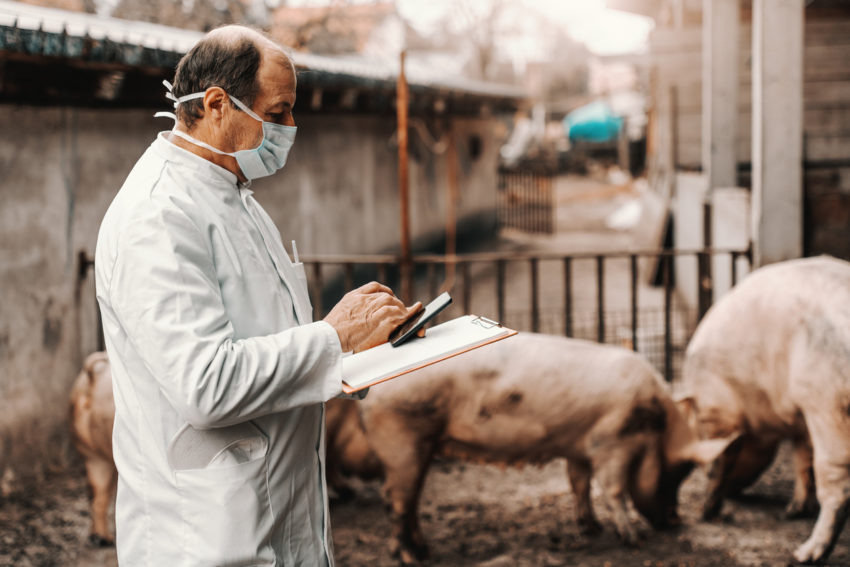
Our food systems affect our health in good and bad ways. For example, some of the most severe health impacts of food systems trace back to some of the core industrial food and farming practices. These include chemical-intensive agriculture, intensive livestock production, and mass production and marketing of processed foods. That is why the International Panel of Experts on Sustainable Food Systems (IPES Food) published a report to identify five ways our current food systems make us sick, seven challenges to understanding and addressing them, and five leverage points for building healthier food systems. Here are five ways our current food system makes us sick:
1. People Get Sick Because They Work in Unhealthy Conditions
Pesticides are responsible for an estimated 200,000 acute ...
Did you know that Latinos comprise less than 7.6% of clinical trial participants? This means that researchers have less chances to develop new cancer treatments for this population, which suffers a heavy burden of certain cancers, obesity, and mental health issues. Join us and use #SaludTues on Jan. 21, 2020, to tweet about how to increase Latino participation in clinical trials to prevent health disparities, in celebration of the quickly approaching Advancing the Science of Cancer in Latinos conference: WHAT: #SaludTuesTweetchat: Engaging Latinos in Clinical Trials
DATE/TIME: 1-2 p.m. EST (Noon-1 p.m. CST), Tuesday, January 21, 2020
WHERE: On Twitter with hashtag #SaludTues
HOST: @SaludAmerica
CO-HOSTS: FDA Minority Health & Health Equity ...
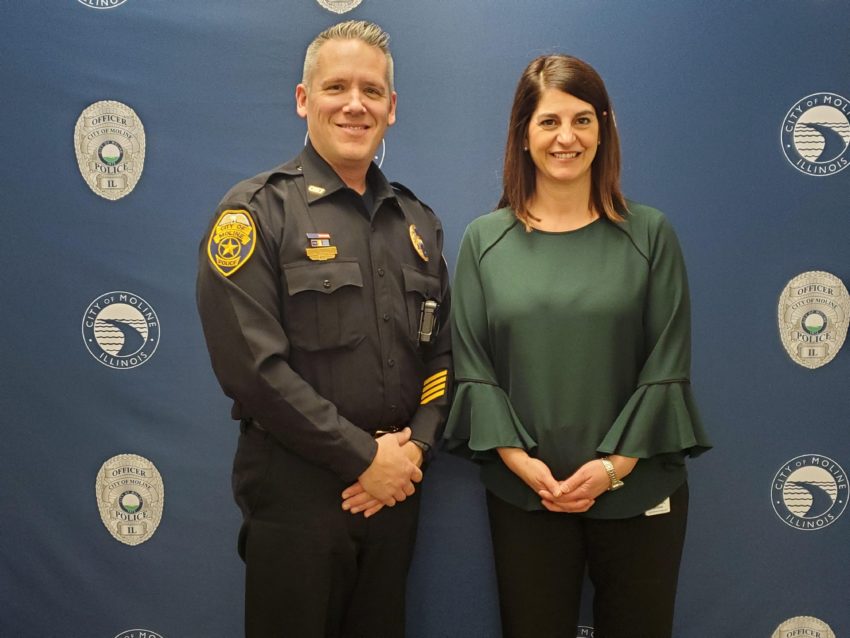
Police Chief Darren Gault believes kids deserve more support in avoiding risky behaviors. Gault knows when police officers interact positively with kids inside schools and out, they help kids stay in school and stay away from crime in Moline, Ill. (16.8% Latino). But officers already have so many unfunded mandates on their time. That is why Gault was so excited when he learned about the low-burden, no-cost “Handle With Care” program, which provides positive interactions for kids who experience traumatic events. Gault shared the program with Rachel Savage, superintendent of Moline-Coal Valley School District. Together, Gault and Savage—with help from a Salud America! Action Pack—are launching the Handle With Care.
People in Moline Face Stress, Violence
Gault and ...
Salud America! members were among more than 120,000 people who submitted comments about a proposed cut the the SNAP federal food aid program. USDA wants to change in how it calculates heating and cooling costs when it comes to SNAP benefits. The change would limit individual states’ abilities to factor in utility costs with SNAP. This could affect people who live in cold-weather states like New York, Michigan, Minnesota, Wisconsin and Vermont. The change would cut program benefits by $4.5 billion over five years. Almost 8,000 households would lose SNAP benefits entirely. Although people submitted 120,000 comments via regulations.gov, only 5,060 are available publicly on the website. Of these, 150 were from Salud America! members. "SNAP cuts have dangerous impacts on ...
Amanda Merck isn’t only a content curator for Salud America! at UT Health San Antonio, a member of many health committees, and an urban planning student at the University of Illinois at Urbana-Champaign. She is also a fighter for equitable transportation, equitable access to parks, and an advocate for children who experience trauma. Merck is a poster child for civic engagement for health equity─and she is dedicating her time and career to help countless others become civically engaged, too.
Merck: ‘Never Any Talk about Civic Engagement’
Merck grew up in many different places including California, Texas, and Montana. As the daughter of a low-income, high-school dropout, working was meant to pay the bills. “There was never any talk about civic engagement nor ...
The number of victims from anti-Latino hate crimes rose by over 21% last year, according to new FBI data. While the total number of hate crimes fell slightly to 7,120 from 2017 to 2018, the amount of hate crimes involving physical violence — intimidation, assault, and homicide — reached a 16-year high. The number of hate crime homicides hit its highest number ever: 24 murder victims. This, coupled with the rise in anti-Latino hate crimes, is alarming, experts say. "We're seeing a leaner and meaner type of hate crime going on," Brian Levin, director of the Center for the Study of Hate and Extremism at California State University, San Bernardino, said in a statement.
The Politics of Hate: Anti-Latino Biases
Some experts are connecting the hate crime data and current political ...
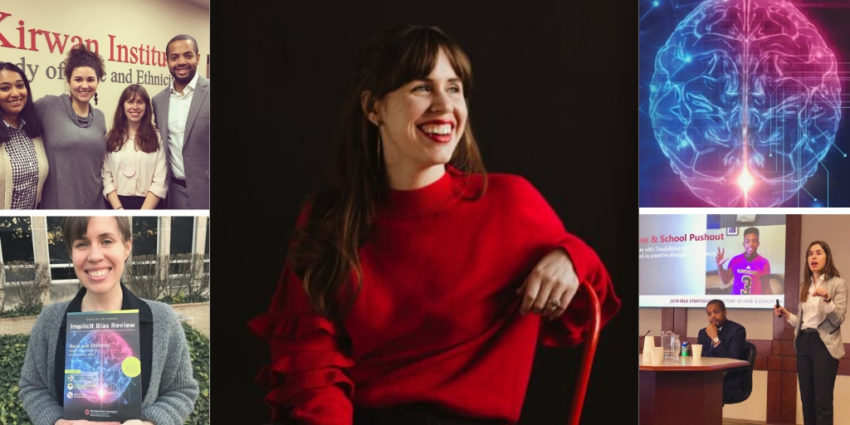
What is the motivation behind your day job? For Kelly Capatosto, it is her family and the Latino population. Capatosto, who started exploring implicit racial bias in school discipline at the Kirwan Institute for the Study of Race and Ethnicity at Ohio State University, wanted to help her family and make them proud. At the same time, she is making a huge impact on health equity for her community. Capatosto and the Kirwan Institute are generating significant research and training on implicit bias—the attitudes or stereotypes that affect our understanding, actions, and decisions unconsciously. Implicit bias has a big impact on Latino health equity. "When we got the funding to start working this implicit bias training, we were also living in a different world than it is today," ...
Latino and all kids could have a higher risk for obesity based on the mere air they breathe. A past study placed pregnant lab rats into two different chambers: one with polluted air from Beijing and one with filtered air. Parent and offspring rats in the first chamber gained more weight than the other rats. They were also more likely to have cardiorespiratory and metabolic dysfunctions. Junfeng “Jim” Zhang, professor of global and environmental health at Duke University, wants to find out if this same risk applies to humans. The National Institute of Environmental Health Sciences (NIEHS) has awarded Zhang a $2 million grant to study the effects of prenatal and early-life exposure to air pollution. He will examine how birthweight and early childhood growth—two ...