by
by 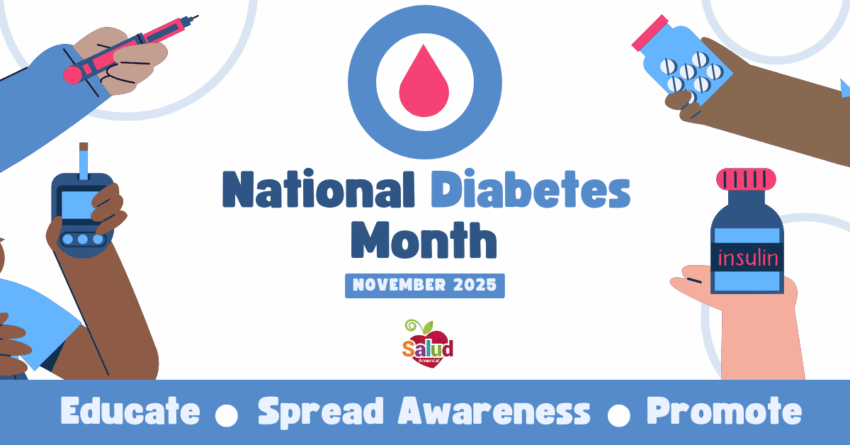
Share On Social!
November is recognized as National Diabetes Awareness Month in the U.S.
29.3 million Americans have diagnosed diabetes and 9.7 million adults have undiagnosed diabetes as of 2024, according to the American Heart Association.
Diabetes self-management education and support can help people with diabetes gain knowledge, skills, and personalized support.
“Adults who receive [diabetes education] follow more recommended preventive care practices,” according to the CDC.
With this in mind, we’ve compiled a list of helpful tools and resources to help people explore, manage, and prevent diabetes.
Resources from the American Diabetes Association
For National Diabetes Awareness Month, also known as American Diabetes Month, the American Diabetes Association (ADA) has several resources to offer, including a downloadable toolkit that contains social media and digital assets along with printable materials that can help with spreading awareness.
“Since 1940, the [ADA] has been a relentless force for progress—advocating, educating, and funding groundbreaking research,” according to the American Diabetes Association.
The ADA also provides several other educational resources such as:
- Resources for professionals
- A list of events to attend and participate in
- Ways to donate and give support
- A test to help others determine their risk for diabetes
- Resources available in Spanish
Visit the ADA website to browse all of the resources and find more information on diabetes.
Resources from the American Heart Association
The American Heart Association also provides several tools for people living with diabetes.

Through the Ask the Experts Q&A series, people can join live educational sessions with diabetes experts.
Patient Information Sheets are also available in English and Spanish, along with information on diabetes risk factors, and recipes to help manage diabetes.
Living with diabetes can be overwhelming because of the many lifestyle changes needed to manage the disease. These tools can help you reach your treatment goals and better manage your diabetes,” according to the American Heart Association.
View the complete diabetes tools and resources page on the American Heart Association website here.
Resources from the CDC
Thanks to the CDC, people can access information on diabetes, including a basic rundown of diabetes types.
Topics cover managing diabetes amid pregnancy and prediabetes.
Healthy eating and ways to manage blood sugar are also key factors that people experiencing diabetes can read up on.
“Managing blood sugar is the key to living well with diabetes, and healthy eating is the key to managing blood sugar,” according to the CDC.
Find more information and diabetes and resources from the CDC here.
Resources from the National Institutes of Health
NIH also offers important diabetes resources, including a diabetes overview that expands on symptoms, prevention, treatment and more.
Those experiencing diabetes can also learn more about the link between diabetes, heart disease, and stroke.
“People with diabetes have a higher chance of having periodontal (gum) disease, an infection of the gum and bone that hold the teeth in place,” according to the NIH.
With this in mind, NIH has a resource page that covers diabetes and oral health.
Ways to manage and treat gestational diabetes can also be found here.
Health Resources for Your Area
Having resources for your health is important.
But what about the health of your community?
Find out by downloading a Salud America! Health Report Card for your town!
Enter your county name and get auto-generated local data with interactive maps and comparative gauges on several health indicators. This can help you visualize and explore local issues in education, housing, transportation, food, health, and more.
See how your county stacks up compared to the rest of your state and nation.
Then email the Report Card to local leaders to raise awareness, include the data in a presentation or grant proposal, or share it on social media to drive healthy change in your community!
By The Numbers
25
years
of life expectancy between some U.S. cities.