
 by
by 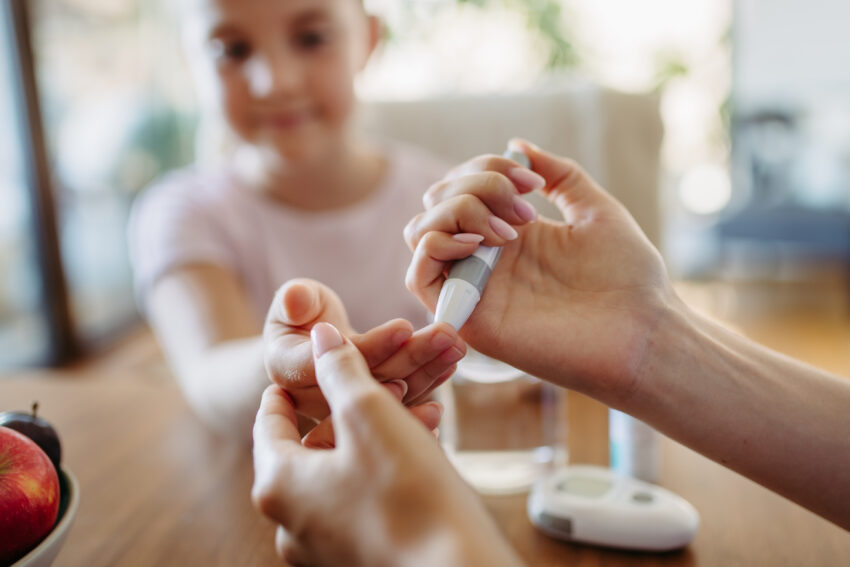
Share On Social!
Type 2 diabetes has increased at an alarming rate in children, increasing to between 24% and 45% (compared to 1-2% before the mid-1990s), with the average age of diagnosis being around 13 years old, according to research.
This can deeply effect young Latinos, as more than 22% of Latino youth and 28.7% of Latino young adults have prediabetes.
Many factors contribute to this rise, including childhood obesity, genetics, and diet.
Now, researchers from Florida Atlantic University have found that where a child lives can also factor into their risk for type 2 diabetes.
Let’s explore this research and see how it impacts children and their communities.
Behind the Research on Diabetes in Children
Researchers for Florida Atlantic University’s ’s Charles E. Schmidt College of Medicine examined how type 2 diabetes is emerging in the youngest children by analyzing not only diet and physical activity, but also influences like neighborhood conditions, caregiver health, food security, and participation in government assistance programs.
The study’s main goal was to better understand how early life experiences and community environments could shape diabetes risk, according to a news release.
The study found that neighborhood concerns, like litter and vandalism and a lack of parks, grew steadily between 2016 and 2020.
“Research has shown that neighborhood environments – such as the presence of sidewalks, parks or other green spaces – can directly influence a child’s ability to engage in physical activity, and in turn, affect their risk of developing chronic diseases like type 2 diabetes,” said Dr. Lea Sacca, senior author and an assistant professor of population health in the Schmidt College of Medicine.
Nutrition and food insecurity was also a concern.
Participation in programs like SNAP and school meals has been linked to increased intake of processed, energy-dense foods high in sugar and fat, which may contribute to the risk of T2D,” according to a news release.
“For instance, children in food-insecure households tend to have poorer blood sugar control and higher hospitalization rates. Some research even suggests that participants in programs like SNAP may have worse diet quality than non-participants from similarly low-income households.” Sacca said.
Finding a Solution to Prevent Diabetes in Children
Study researchers urge that type 2 diabetes prevention and early detection efforts should consider environmental factors and food quality.
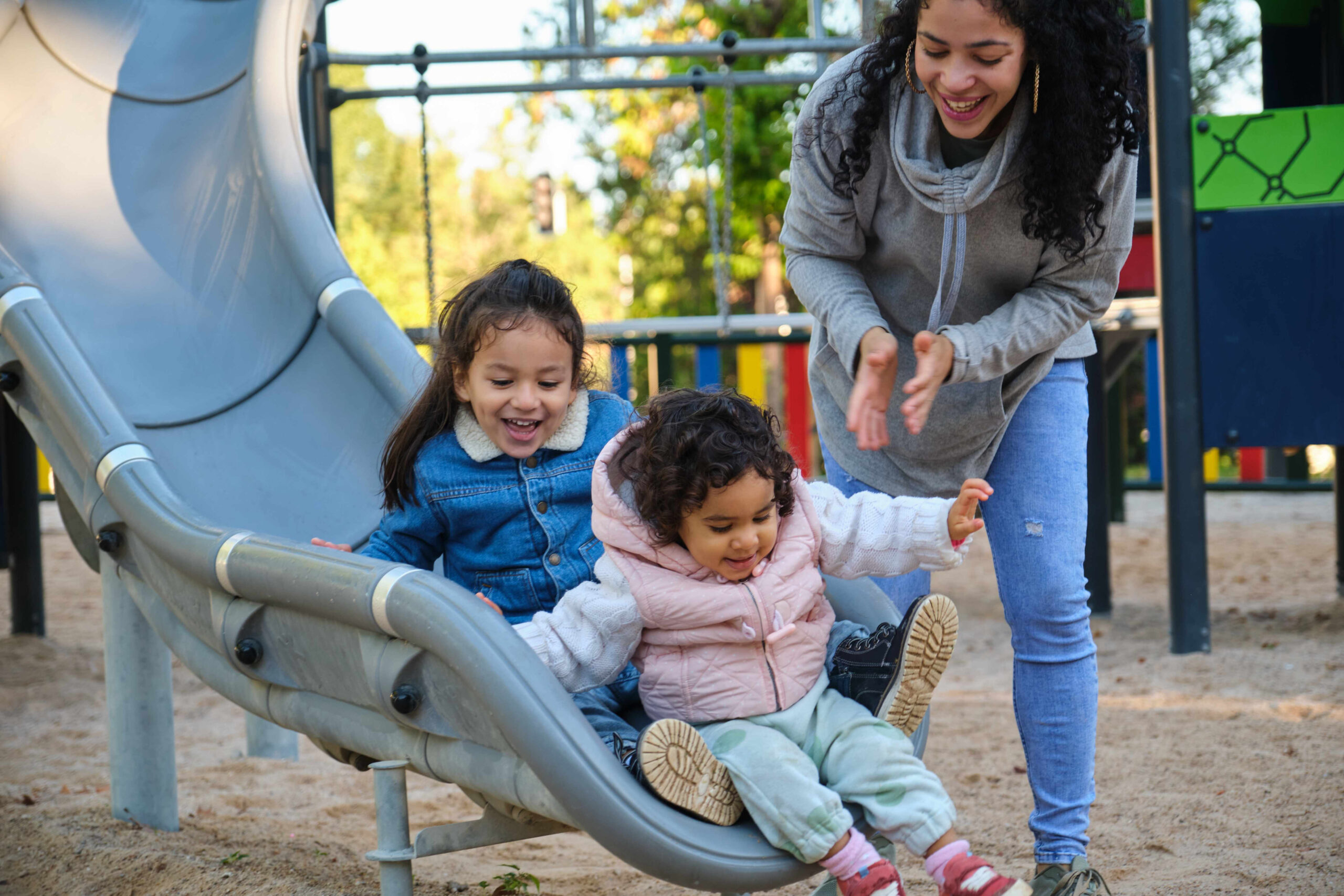
“Particularly neighborhood design and access to nutritious options – for lasting and widespread impact,” according to a news release.
Above all, obesity is the biggest risk factor for diabetes in children.
“One particularly urgent target is reducing consumption of sugar-sweetened beverages, which are closely linked to both obesity and diabetes risk,” according to a news release. “Notably, nearly 70% of children aged 2 to 5 consume sugar-sweetened beverages daily.
More assertive policies like vending machine restrictions and bans and higher drink taxes can be helpful. However, improved dietary habits and increased physical activity among children can also be achieved with adequate support.
Addressing the rise in early-onset type 2 diabetes requires a comprehensive strategy.
“That includes improving access to nutritious foods, creating healthier neighborhood environments, and investing in policies that promote long-term wellness from the very start of life,” Sacca said.
Diabetes in Your Community
How is the state of health in your community?
Find out by downloading a Salud America! Health Report Card for your town!
Enter your county name and get auto-generated local data with interactive maps and comparative gauges on several health indicators. This can help you visualize and explore local issues in education, housing, transportation, food, health, and more.
See how your county stacks up compared to the rest of your state and nation.
Then email the Report Card to local leaders to raise awareness, include the data in a presentation or grant proposal, or share it on social media to drive healthy change in your community!
By The Numbers
142
Percent
Expected rise in Latino cancer cases in coming years