by
by 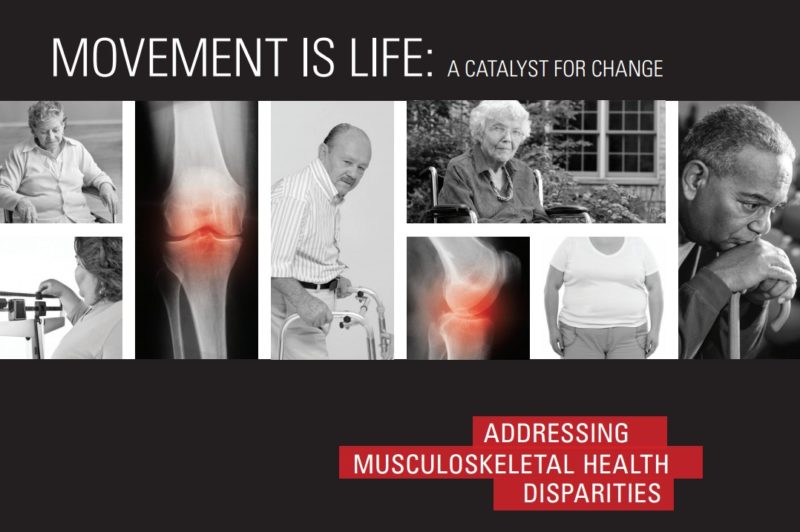
Share On Social!
Disparities in muscle and joint (musculoskeletal) pain threaten the health of the nation.
Our musculoskeletal system is composed of joints, ligaments, muscles, nerves, tendons, and structures that support limbs, neck and back.
Latinos have more severe musculoskeletal and functional limitations than Whites, thus are more likely to be inactive, obese, diabetic, and have higher incidence of heart disease.
Movement is Life is a multi-disciplinary coalition seeking to eliminate racial and ethnic disparities in muscle and joint health by promoting physical mobility to improve quality of life. According to the Movement is Life: A Catalyst for Change Proceedings Report from a 2010 summit, “a physically inactive, obese, and immobile body can head down a path toward chronic disease and illness, medication dependency, disability, and depression.”
Watch this documentary that raises awareness about millions of Americans who experience limited mobility due to joint pain.
There is an important distinction between physical activity for health and exercise for fitness or performance. It is critical to change the way health professionals, educators, and parents talk about physical activity for health, especially for Latinos with mobility issues.
Swimming and other aqua-aerobics are excellent activities for those with bone and joint problems. The buoyancy reduces impact on joints; heated pools helps soothe pain; and walking in water burns more calories and provides more cardiovascular benefits than walking on land. However, Latinos experience disparities in swim ability and access to swimming facilities, thus are robbed of one of the few activates to keep them moving and healthy.
The social, economic and health impact of musculoskeletal health disparities requires the collaboration of individuals, families, providers, communities, researchers, and policymakers.
Taking action is critical in order to create a culture of health and a culture of mobility to reduce health disparities among Latinos. Here are three recommendations:
- Sound the Alarm – Research and Disseminate Information to Energize People to Address Musculoskeletal Health Disparities
- Mirror Success – Accelerate Development and Adoption of Solutions that Address Disparities
- Open Communication Lines – Facilitate Better Patient and Provider Understanding of the Unique Needs of Women and Racial/Ethnic Minorities
Read this case study and watch a video about how this community is working to increase access to water safety lessons for special needs and all students.

Explore More:
Healthy Families & SchoolsBy The Numbers
142
Percent
Expected rise in Latino cancer cases in coming years