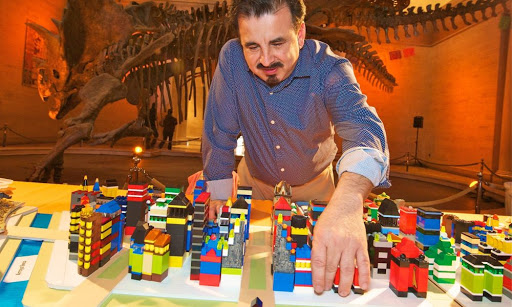
James Rojas loved how his childhood home brought family and neighbors together. The L.A. home had a big side yard facing the street where families celebrated birthdays and holidays. Uncles played poker. Aunts tended a garden. Children roamed freely. Mexican elders—with their sternness and house dresses—socialized with their American-born descendants—with their Beatles albums and mini-skirts. Rojas was shocked to find some would look down on this neighborhood. “Why do so many Latinos love their neighborhood so much if they are bad?” he wondered. Rojas, in grad school, learned that neighborhood planners focused far more on automobiles in their designs than they did on the human experience or Latino cultural influences. He wanted to change that. Rojas has spent ...
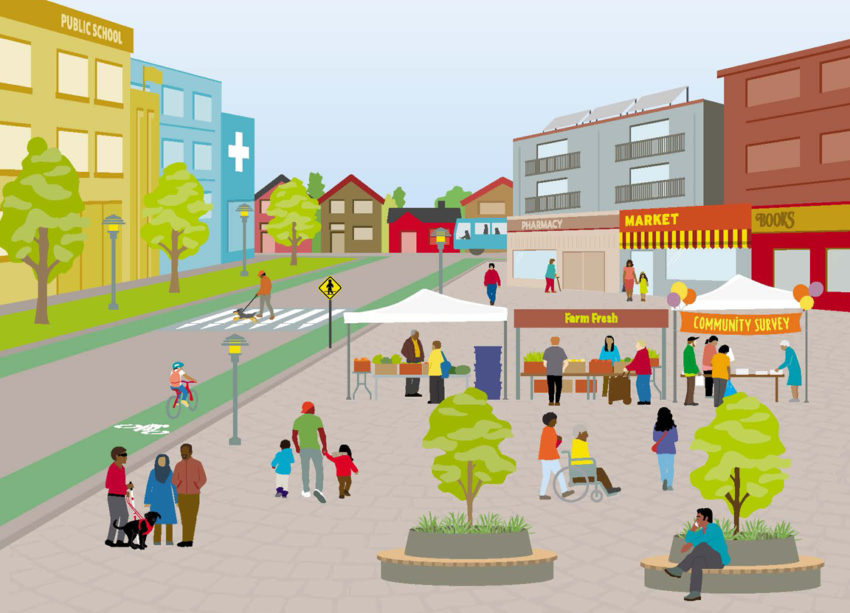
Local planners have the power to help create healthy, fair communities. Unfortunately, common planning practices have contributed to the high percentage of poor people and people of color who live in unhealthy places, widening disparities in health and wealth. That's why our friends at ChangeLab Solutions created Long Range-Planning for Health, Equity & Prosperity: A Primer for Local Governments. This can help planners prioritize health and equity in their work. "By integrating health and equity considerations into planning practices, planners have the power to revise past planning decisions and create healthy, equitable, and prosperous communities," ChangeLab reports.
Place Matters for Health Equity
Where you live matters for your health. Inequitable city planning, ...
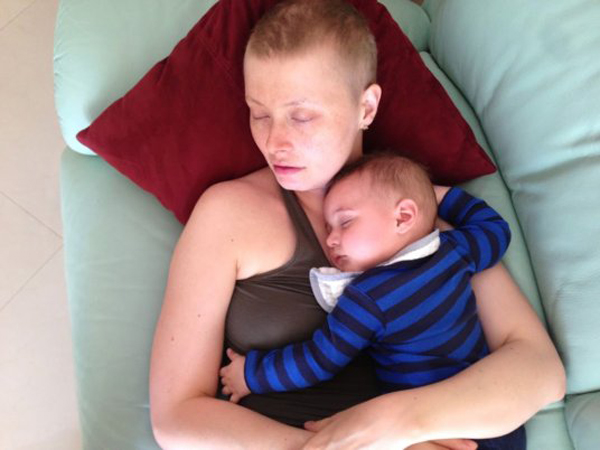
When Julia Maues was 29, she gave birth to a healthy baby boy who had a full head of hair—while she had no hair at all due to chemotherapy for breast cancer. During her pregnancy, she was diagnosed with HER2-positive breast cancer. Maues began chemo while pregnant, which is the standard of care. After her son was born in 2013, she underwent more tests she couldn’t have while pregnant. Doctors found that her cancer had already spread to her brain, liver, and bones. After trying different drugs and finding the right one, the cancer started to respond to the therapy. There were (and still are) many setbacks: Most drugs don’t penetrate the brain, many drugs harm the heart, the side effects can be debilitating, and her incurable illness has taken a huge emotional toll on ...
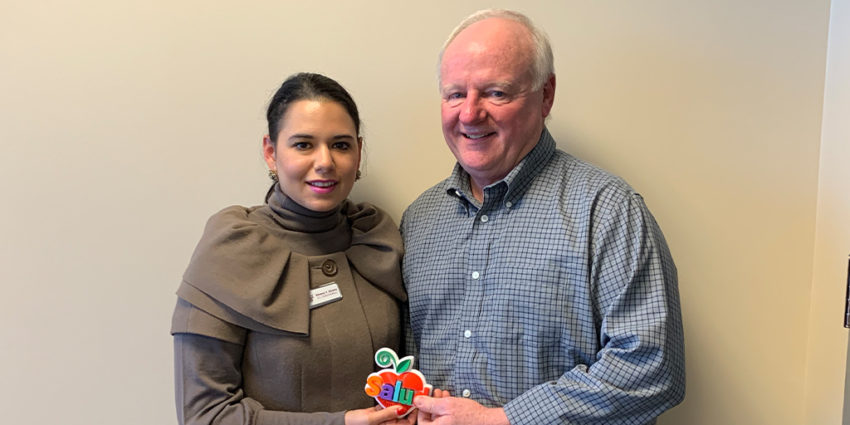
How much do you know about the U.S. Census? This year, Americans will be given the opportunity to participate in this national count of the people living in America today. Experts, including those from the Census Bureau, say every single person alive needs to complete this survey — it impacts health, local funding, and so much more. Census Bureau Deputy Regional Director Dennis Johnson and Media Specialist Ximena Alvarez join to talk about this once-in-a-decade event and its importance to the American people. Check out this discussion on the #SaludTalks Podcast, Episode 15, "Everyone Counts"! WHAT: A #SaludTalks discussion on telling stories, everyday individuals stepping up, and Salud America!'s Salud Hero series GUEST: Census Bureau Deputy Regional Director ...
How important is healthy equity in schools? Amid the growing diversity among U.S. children, especially the rise of the Latino population, the future success of the nation depends on creating schools that are the healthiest─and most equitable─for all children. Let’s use #SaludTues on Tuesday, Jan. 14, 2020, to tweet how schools can equitably improve the food, physical activity, and learning environment for all children! WHAT: #SaludTues Tweetchat: How to Boost Health Equity in Schools
TIME/DATE: 1-2 p.m. ET (Noon-1 p.m. CT), Tuesday, Jan. 14, 2020
WHERE: On Twitter with hashtag #SaludTues
HOST: @SaludAmerica
CO-HOSTS: The Children’s Health Fund (@chfund), The Healthy and Ready to Learn program of the Children’s Health Fund (@HRLNYC), Action for Healthy ...
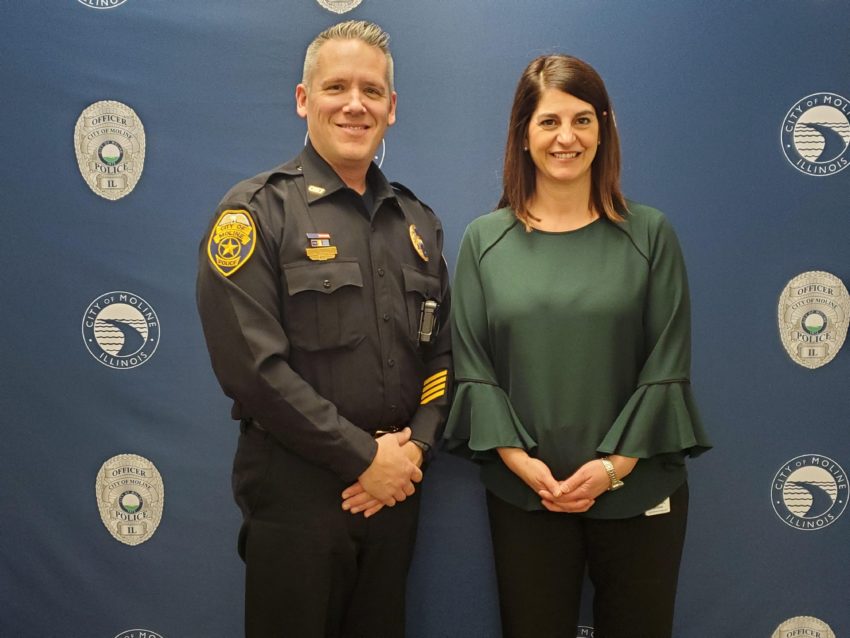
Police Chief Darren Gault believes kids deserve more support in avoiding risky behaviors. Gault knows when police officers interact positively with kids inside schools and out, they help kids stay in school and stay away from crime in Moline, Ill. (16.8% Latino). But officers already have so many unfunded mandates on their time. That is why Gault was so excited when he learned about the low-burden, no-cost “Handle With Care” program, which provides positive interactions for kids who experience traumatic events. Gault shared the program with Rachel Savage, superintendent of Moline-Coal Valley School District. Together, Gault and Savage—with help from a Salud America! Action Pack—are launching the Handle With Care.
People in Moline Face Stress, Violence
Gault and ...
Sugary drink taxes are taking out the fizz across the nation. From Washington, D.C., to Berkeley, Calif., sugary drink taxes are raising the price of soda, tea, and energy drinks, with the hope that people will buy fewer taxed drinks. These drinks do not contribute to good health, according to a Salud America! research review. But are shoppers really buying fewer sugary drinks as a result? A series of studies explores this question.
How Sugary Drink Taxes Affect Purchases
A new study from Mathematica Policy Research and others indicates that sugary drink taxes can reduce purchases of sugary drinks. Researchers examined the impact of taxes in four cities: Philadelphia, San Francisco, Seattle, and Oakland. They compared changes in household monthly purchases to nearby cities ...
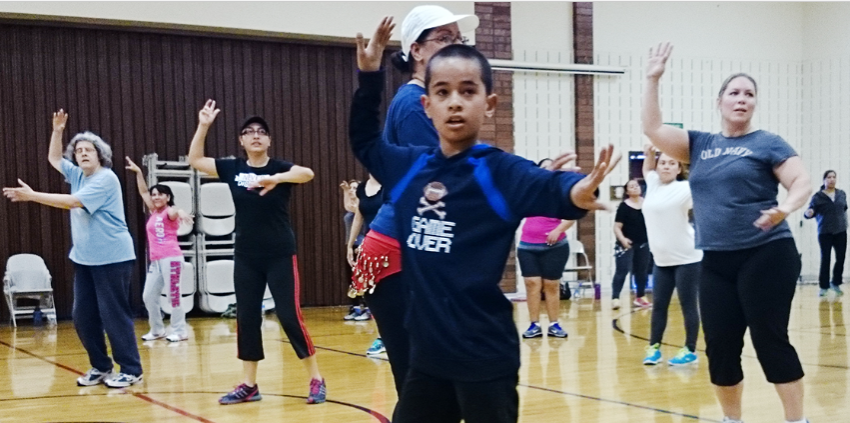
Schools can serve as so much more than space for children to learn. They can even transform community health. That is, if schools share their spaces with the public when classes are out. Fortunately, the team at ChangeLab Solutions is showing how easy and beneficial it is for schools to share use of school grounds with local residents and groups after and before school, and during summer.
What Is Shared Use of Schools?
Playing can help a kid’s healthy brain development. But many communities are not kid-play-friendly. Latino neighborhoods tend to lack safe places that welcome kids and multi-generational families to play. Many schools lock up their facilities after class ends. Shared use agreements—also called open use or joint use—are specific plans and rules that ...
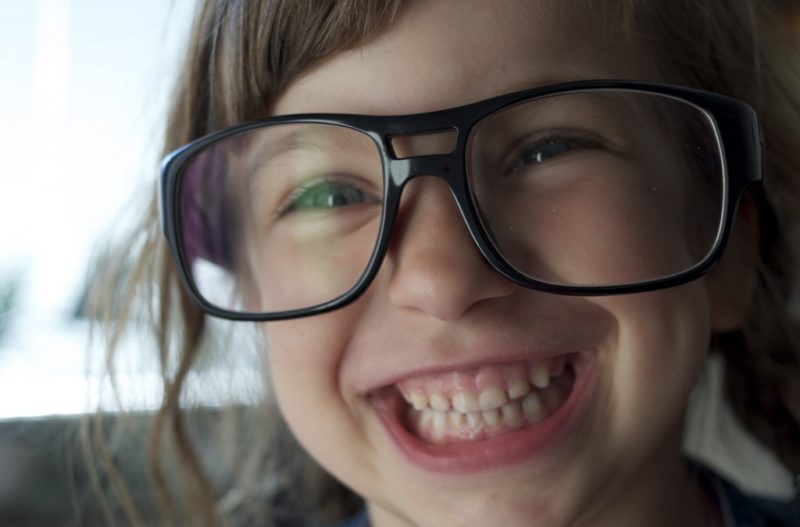
Latino children are less likely to have their vision tested compared to their peers. From 2016 to 2017, only 58.6% of Latino children ages 3 to 5 had taken a vision test from a health professional, according to new CDC data. "Childhood vision screenings may provide early detection of vision disorders and opportunities for subsequent treatment," the authors say.
Latino Eye Health Risk Factors
In addition to Latino disparities, screening rates also were affected by differences in socioeconomic status, parental education, and healthcare access: Children living in families with incomes below 200% of the federal poverty level were about 10% less likely to have their vision tested.
Children whose parents had the equivalent of a high school diploma or less were almost 20% less ...