With obesity rates rising for the Pacific Island Nations, islands like remote pacific island nation Vanuatu is planning to outlaw imported food throughout all the 12 inhabited islands. The plan is to keep government functions and tourist establishments free from junk food, and instead offer up healthy organic local foods like coconut, lobsters and more. Public health experts who study the island nations welcomed the ban according to the New York Times, that explains how millions of people are dealing with rising rates of type two diabetes, and it would be untenable to send patients abroad for dialysis treatment or kidney transplants. The World bank reported in 2014, that four Pacific island nations were dealing with female obesity rates of at least 50%. More than half of the ...
For many Latinos, discussing mental health issues still retains a strong, negative stigma. Often times, a lack of access to mental health care resources means conditions go either untreated or undiagnosed. Language barriers also prevent many from expressing their symptoms and/or concerns to their doctors. In the city of Fresno, Calif. (48.54% Latino population), one group is looking to help remove some of these barriers. The Consejo Project, part of the Department of Social Work Education at California State University, Fresno (Fresno State), trains social work students to serve Spanish-speaking children, teenagers, and youths and examine and work through the systemic barriers that limit the access of Latinos to mental and substance abuse services in the San Joaquin Valley. “We ...
Everyone needs proper sleep, especially Latinos. Lack of sleep contributes to heart attacks, diabetes, obesity and other serious health issues that disproportionately affect Latinos, CDC reports. For World Sleep Day on March 16, 2018, let's explore why sleep is important for your health, how much Latinos sleep (or don't sleep), and how you can improve your sleeping habits. World Sleep Day is directed by World Sleep Society, World Association of Sleep Medicine, and World Sleep Federation.
How Much Sleep Do We Need?
The National Institutes of Health (NIH) suggests that children need at least 10 hours of sleep daily, teens need 9-10 hours, and adults need 7-8 hours.
Why Is Getting Enough Sleep Such a Big Deal?
People who get insufficient sleep are also more likely to suffer from ...
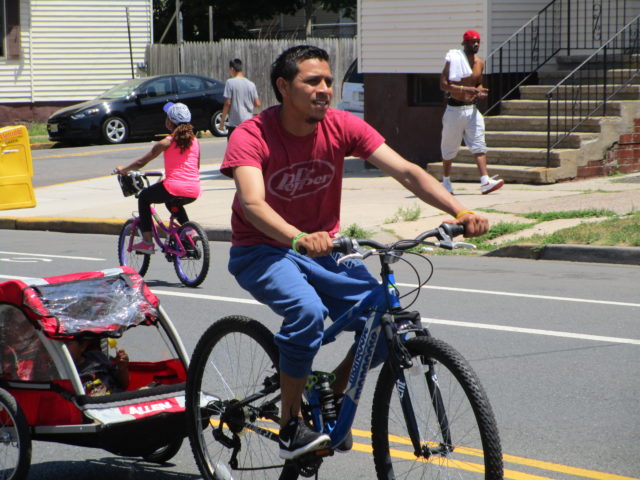
"Transportation professionals should be more concerned about the personal safety of Black and Hispanic cyclists because they are in a position to change how the built environment either acts as a conduit or barrier to criminal activity," Charles T. Brown, a transportation researcher and adjunct professor of planning and public policy at Rutgers University, wrote in his report, Fear: A Silent Barrier to Bicycling in Black and Hispanic Communities. Brown saw a lack of research on transportation justice, which prompted him and James A. Sinclair, research manager at the New Jersey Bicycle and Pedestrian Resource Center, to explore why some Black and Hispanic individuals choose not to bicycle; what prevents people of color who do bike from cycling more often; and how to encourage all ...
El Día Mundial del Sueño es el 17 de marzo de 2017. Este día de conciencia global es un momento importante para continuar la discusión de mejorar los hábitos de sueño saludable. De hecho, los Centros para el Control y la Prevención de Enfermedades han declarado insuficiente sueño un problema de salud pública; un contribuyente a la hipertensión, la diabetes, la depresión, la obesidad y el cáncer. De acuerdo con el Instituto Nacional de Salud, el insomnio le cuesta a la economía de los Estados Unidos hasta $411 mil millones al año en pérdida de productividad. Los trastornos del sueño afectan a entre 50 y 70 millones de estadounidenses. Por eso, Kaiser Permanente desarrollo un video útil de consejos que la gente puede utilizar para dormir mejor y para mejorar la ...
Colorado health leaders have a new answer to help Latinos overcome barriers to proper healthcare, like language, cultural stigmas, and a lack of access... ...a chat series. The new Community Hearth Health Actions for Latinos at Risk (CHARLAR) program, which originated in Denver (30.94%) before coming to Steamboat Springs (8.3% Latino population), arms Latinos with personal health knowledge they may not otherwise have. “Many Latinos have poor dietary and health habits,” said Erick Ocampo, a community connector for Northwest Colorado Health that is running the program, in an interview with Steamboat Today. “Overeating, not exercising, and not getting help for health issues until the issues are very serious … In our culture, we don’t really care.” In the summer of ...
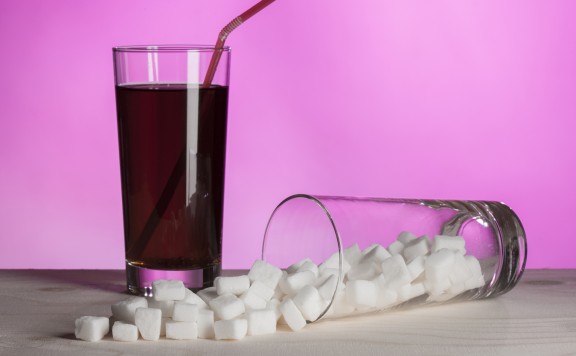
Sugary drink taxes and other policy restrictions on sugary drinks are growing in popularity across the globe to help reduce sugar intake in order to decrease rising obesity levels. Now British Chancellor Philip Hammond announced a two-tier levy of 18 pounds on drinks that have five grams of sugar per 100ml and the higher 24-pound rate on those with more than eight grams per 100ml. The British Soft Drinks Association opposes the tax, but the Obesity Health Alliance supports the tax. The tax set to be implemented starting in April 2018 doesn't include milk or pure fruit juice drinks but does include some alcoholic drinks. A spokeswoman from the Obesity Health Alliance told local news Sunderland Echo, "This is a significant step in the battle against obesity and the Government ...
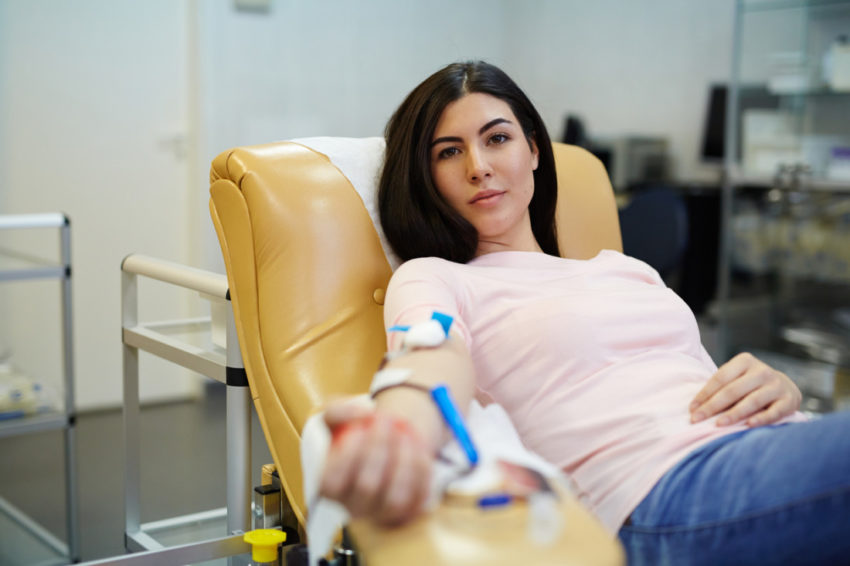
The average person has 8 pints of blood in their body. Health practitioners use about 40,000 pints of blood...every. single. day. There is a dramatic need for blood donations to help save lives, but fewer than 1 in 10 people actually donate. Latinos comprise less than 1% of all blood donors, bad news because experts say Latinos tend to have extremely important blood types. How can Latinos get more involved? On Tuesday, March 21, 2017, let’s use #SaludTues to tweet on why blood donation is vital, myths about donation, and strategies and resources on how to get more Latinos to donate blood: WHAT: #SaludTues Tweetchat: “Giving Life: Latinos & Blood Donation”
TIME/DATE: 1-2 p.m. ET (Noon-1 p.m. CT), Tuesday, Mar. 14, 2017
WHERE: On Twitter with hashtag ...
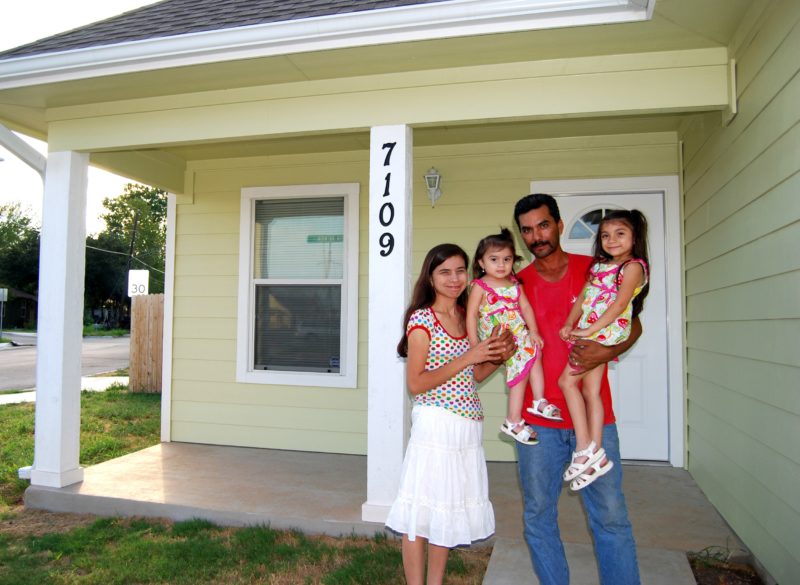
One of the key social determinants of health is a simple one that often goes overlooked. Where you live has a lot to do with how healthy you are going to be. Many Latinos are often forced to live in low-income, high-poverty, high-crime areas. These areas often have limited access to active spaces, healthy food choices, and health care. These inequities play great impact on the future success of many Latino youths. A recent study of public housing areas in Denver, Colo. (31% Latino population), that showcases the vast benefits of neighborhood economic diversity on Latino youths. The researchers chose Denver because of the wide-range of neighborhood options available to affordable housing users. In order to reduce health disparities, it is critical to address inequities in ...