Minorities often deal with lots of obstacles that prevent them from getting the best healthcare possible. Language, cultural stigmas, lack of access and information, and segregation are just some big issues facing minorities. Having “good” health is a big factor in people excelling in their quality of life. Health factors into education, employment, and long-term success. For National Minority Health Month in April, let’s use #SaludTues at 1 p.m. EST April 18, 2017, to tweet about Latino health issues and solutions. WHAT: #SaludTues Tweetchat: “National Minority Health Month!”
TIME/DATE: 1-2 p.m. EST (Noon-1 p.m. CST), Tuesday, April 11, 2017
WHERE: On Twitter with hashtag #SaludTues
HOST: @SaludToday
CO-HOSTS: The U.S. Office of Minority Health ...
Stroke is the most frequent cause of adult-onset disability in the US. Sadly, there are disparities in average age for stroke, meaning some populations are at an increased risk at a younger age and some populations live with the physical, emotional, and financial burdens at a younger age. For example, the average age for stroke in Latinos is 67 compared to 80 for non-Latino whites. Physical activity may be your best bet to not only prevent a stroke, but to reduce disability or impairment after a stroke. People who are less physically active are less likely to be able to do basic self-care functions like bathing, eating and getting in and out of bed after a stroke compared to those who were regularly physically active, according to a new report. The act of being active may be ...
It is a well-known fact: where you live impacts your overall well-being. Environment greatly impacts health, education, employment, access to opportunity, and long-term success. Latinos often face inequities and disparities due to barriers created by their environments. Many have to live in low-income and high-poverty and high-crime neighborhoods with little access to healthy food and physical activity opportunities. A recent ranking has determined the healthiest and least healthy counties in the heavily Latino populated state of Texas (38.42% Latino population). In order to reduce health disparities, it is critical to address inequities in programs, practices, and policies. Join our site, connect with others, and get involved. According to newly released data ...
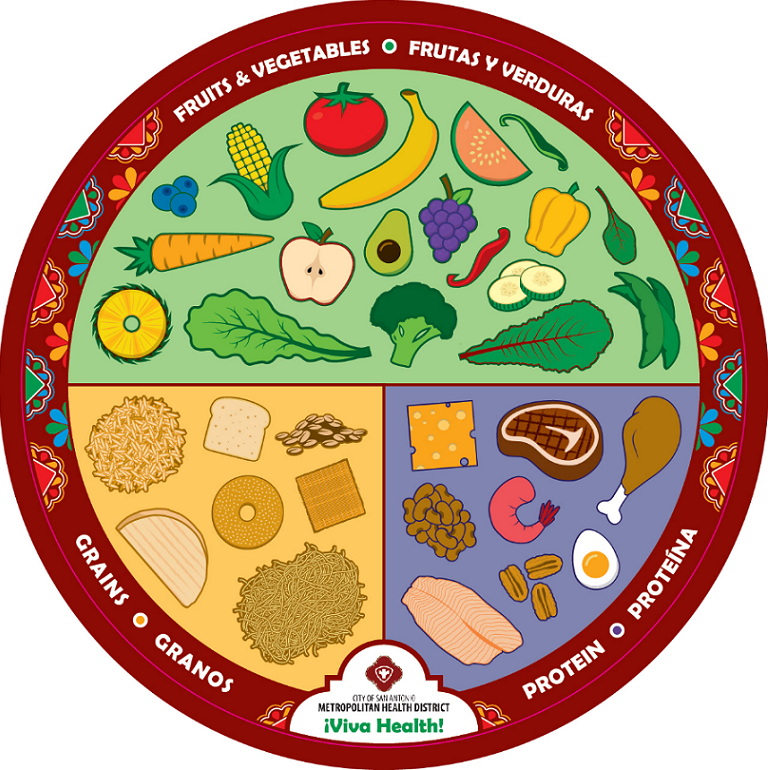
People care deeply about health; however, with so many complicated messages from health experts and contradicting messages from food manufacturers, as well as lack of access to affordable healthy food, it can be very difficult for families to make truly healthy choices. Latinos, in particular, face additional barriers to access healthy food, thus face higher rates of obesity and related chronic diseases. The City of San Antonio Metropolitan Health District (Metro Health) launched a new ¡Viva Health! Eat well, feel great. Come bien, sientete bien. campaign in March 2017 to target the biggest public health threats of this generation—obesity and diabetes. Obesity is linked to numerous burdensome chronic diseases and diminished quality of life, and diabetes can lead to blindness, ...
The way our communities are designed and built can either support or hinder health. This includes sidewalks, bike lanes, public transportation, housing, schools, parks, employment centers, etc. Everyone deserves healthy communities with safe routes to where we live, learn, work, play, and pray, as well as safe routes to healthy food. The American Public Health Association (APHA) and partner organizations have pledged to work together on the Joint Call to Action to Promote Healthy Communities. Partners include American Institute of Architects, American Planning Association, American Society of Civil Engineers, American Society of Landscape Architects, National Recreation and Park Association, U.S. Green Building Council, & Urban Land Institute. The signatory ...
It has long been known that where you live greatly impacts a person’s overall life and their potential future success. Environment affects health, income, education, and access to opportunities. Many Latinos are often forced to live in low-income, high-poverty, and high-crime areas through a variety of obstacles and barriers put into their paths. A report from the Metropolitan Planning Council and Urban Institute attempted to determine the real cost of racial segregation in housing. According to the report, this situation is costing the country as a whole billions of dollars each year. “Our study documents the relationships between segregation and the incomes, educations and safety of a metropolitan region’s residents,” said Greg Acs, the director of the Income and Benefits ...
Abril es el Mes Nacional de la Salud de las Minorías. Este es un tiempo dedicado para concientizar a la comunidad hispana acerca de los altos riesgos de adquirir ciertas enfermedades entre nuestra comunidad. Visita el sitio web de la Oficina de Salud de las Minorías de HHS para descargar materiales, encontrar eventos y compartir tu historia. Nunca es demasiado temprano para tomar medidas y nunca demasiado tarde para comenzar el manejo de la atención hacia enfermedades de las cuales los latinos pueden ser más propensos, por ejemplo la diabetes, la obesidad y el cáncer de seno. Si se trata de una joven aprendiendo sobre su riesgo de cáncer de seno y cuando empezar a hacerse estudios preventivos, o si se trata de un adulto mayor que busca opciones de tratamiento para ...
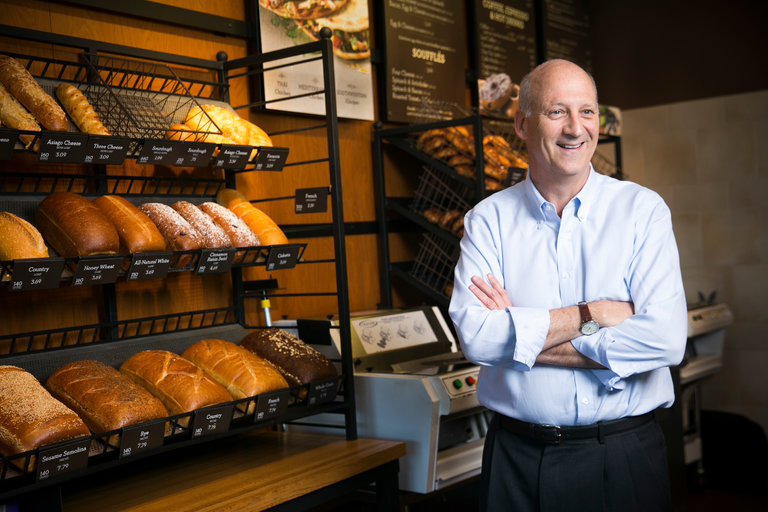
Eating and drinking healthier can be a challenge, especially when dining out. Now, Panera Bread announced their series of sugary beverages that will show the nutritional information, calories, and amount of sugars for each beverage. The first national restaurant company to post calories and sugars in its beverages, Panera plans to continue improving transparency for their customers, as they were one of the first chains to post calories on menus in 2010. “We believe people deserve to know exactly what’s in their drink so they can make the best choice for their lifestyle,” said Sara Burnett, Director of Wellness, Panera Bread explained in their press release. “We know more and more guests are looking to reduce their added sugar consumption, and we’re providing an ...
Water isn't magic, but it can help you stay hydrated, control calories, and fuel muscles. But Latino kids don't drink enough water. In fact, Latino kids drink less plain water and more sugary drinks than white kids. That is according to research by Salud America!, a national Latino childhood obesity prevention network at UT Health San Antonio. That’s why we are spotlighting heroes who work hard to push water for Latino kids and families!
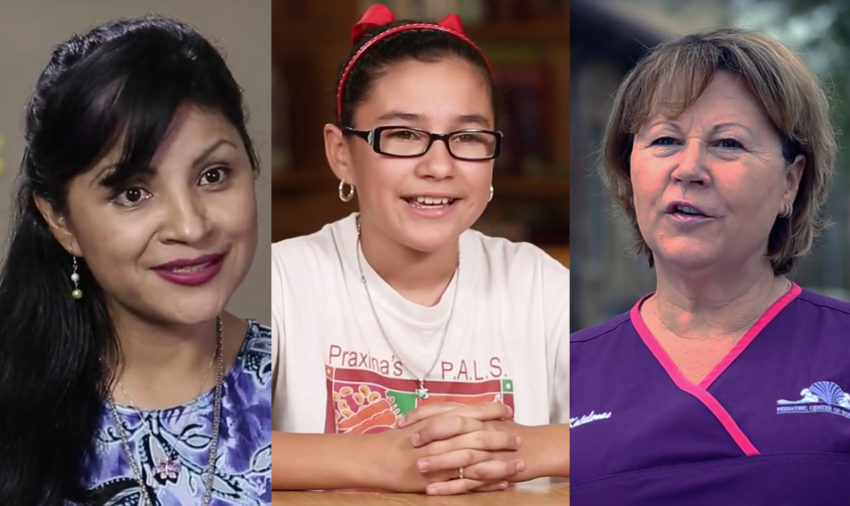
Praxina Guerra: 5th-Grader Gets Hydration Station in School
San Antonio fifth-grader Praxina Guerra and her mentor, Cathy Lopez, are true Salud Heroes when it comes to creating a healthy school environment. Praxina, spurred on by Lopez, joined the city's San Antonio Student Ambassador program and created a student club to encourage ...