An article published by the Journal of the American Board of Family Medicine has outlined the overall impact that the Affordable Care Act (ACA) has had on healthcare access for Latinos. In the U.S. Latinos have traditionally faced inequities and disparities in access to healthcare compared to Whites. With the passing of the ACA, Americans overall made historic gains in reducing the rates of the uninsured population. Latinos especially reached record lows in the number of uninsured individuals. According to the study, despite the historic gains, Latinos perform worse on most measures of access to and utilization of their health care than Whites. The reasons for these disparities are multifaceted and include citizenship status, language, and socioeconomic status. In order to ...
A new grant opportunity through the Atena Foundation's 2017 Cultivating Healthy Communities grant is open, offering up to $2 million in grants to organizations that increase opportunities for low-income, minority communities to make healthy choices in the places they live, work, learn, and play. Grant requests can range between $50,000 and $100,000 for projects that span 18 to 24 months. They are seeking partners whose work addresses pressing issues in the following domains: Built Environment, Community Safety, Environmental Exposures, Healthy Behaviors, and Social/Economic Factors.
This will be a highly competitive funding opportunity structured in two stages. Stage 1 involves a short application where all eligible organizations are invited to submit an online Stage 1 application ...
Latinos in certain Chicago neighborhoods face worse physical and mental health and more food insecurity than nationwide, according to a new report, the Chicago Sun-Times reports. For the report, the Sinai Community Health Survey 2.0, researchers from the Sinai Urban Health Institute surveyed 1,900 residents in nine ethnically diverse Chicago neighborhoods, including Gage Park (92% Latino), Humboldt Park (89%) and South Lawndale (84%). Chicago is 29% Latino overall. “The data paint a stark and complex picture of health and wellness in many Chicago communities, varied by race, income and ethnicity,” said Dr. Sharon Homan, president of the Sinai Urban Health Institute, told the Sun-Times. “To develop meaningful interventions to improve health, we must first understand the ...
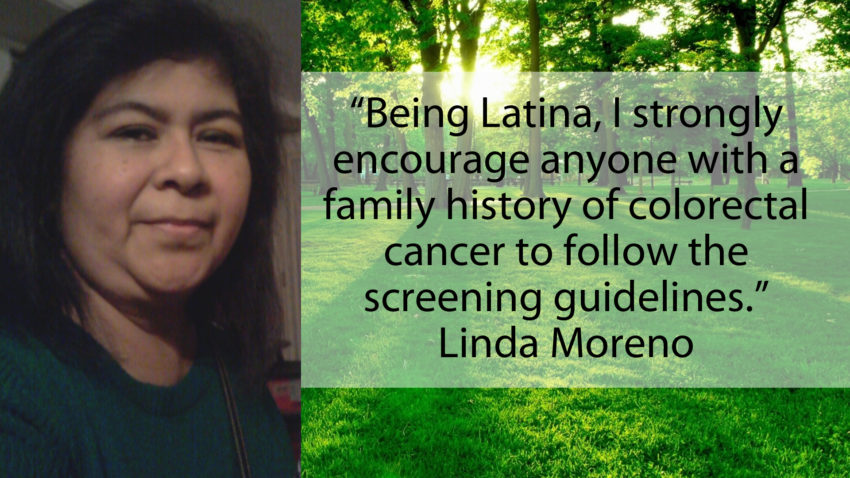
Linda Moreno and her San Antonio family provide a powerful example of the importance of family history and getting screened for colorectal cancer. One of six children, Moreno has a family history of diabetes, high blood pressure, rheumatoid arthritis, stomach and thyroid cancer. But she had no family history of colorectal cancer. After two of her siblings were suddenly diagnosed with colorectal cancer within two months of each other, Moreno and her three other siblings rushed to get themselves screened. “It was a shock to see my brother and sister diagnosed with colorectal cancer,” Moreno said. “I had my first screening colonoscopy at the age of 33 due to my family history. They found and removed two polyps.” Moreno, a mother of two, is now diligent in keeping a ...
In Vinton County, Ohio a new grocery store is helping to provide access to fresh fruits and vegetables, where there once was a food desert, with little to no access to healthy foods, only processed foods. "We have to take people shopping because there's no place to shop. To pick up an average client in Vinton County were going to have to average at least 20 miles round trip and it can go up as high as 60 round trip," explained director of Vinton County Senior Services to You're the Cure GRA. Many advocates worked hard to help bring new grocery stores into the state including a new $2million dollar budget that included seed capital to create a Healthy Food Financing Initiative signed by Ohio Governor John Kaisich in June 2016. The new grocery store broke ground on Monday, March ...
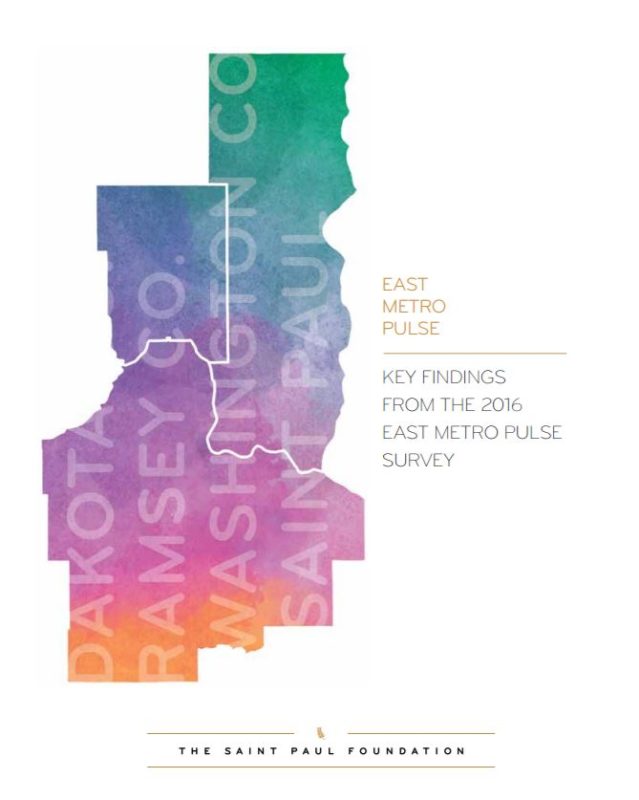
Lack of support can hinder Latino health. Recently, the St. Paul Foundation – a nonprofit community foundation based in St. Paul, MN (9.53% Latino population) – conducted a survey of more than 1,500 area residents to learn about their transportation, health care, and housing statuses. According to the Pioneer Press, the Foundation received a total of 400 completed surveys from respondents in Dakota County, 480 from Washington County and 430 from St. Paul, as well as another 230 from Ramsey County. Among the findings, the area has seen a large influx of Latinos since the year 2000. In Dakota County (6.44% Latino population), as an example, the Latino population has tripled in that time frame. In terms of transportation and transportation equity, the surveys determined ...
Latinos have been making great strides in education in recent years. The high school dropout rate is the lowest in history and more and more are attending two- and four-year colleges and universities. As the Latino population continues to grow, it can be expected that these trends will continue to grow more positively. At Eastern Shore Community College in Melfa, VA (2.3% Latino population), those effects have already been felt. Despite lagging overall attendance figures for the institution, Latino numbers have grown to historic numbers. The community college is now moving toward becoming a minority-serving institution, which is a designation awarded to colleges and universities in which white students make up less than 50% of the total enrollment. In order to reduce health ...
Determining the best way to reach Latinos has always been one of the biggest questions that health care workers always ask. Language barriers, trust issues, and cultural differences are just some of the barriers that often create inequities for many Latinos. At Mercer University in Macon, GA (3.14% Latino population), students launched a community health fair aimed at reaching Latinos in an effort to alleviate some of the lingering health concerns of the community. “Since the Hispanic population is growing a lot, we need more representation, more people that can help because that affects the whole community,” said Dr. Jose Pino, a professor of foreign languages and literature at Mercer University in an interview with WMAZ. “In some institutions they don't have bilingual ...
With obesity rates rising for the Pacific Island Nations, islands like remote pacific island nation Vanuatu is planning to outlaw imported food throughout all the 12 inhabited islands. The plan is to keep government functions and tourist establishments free from junk food, and instead offer up healthy organic local foods like coconut, lobsters and more. Public health experts who study the island nations welcomed the ban according to the New York Times, that explains how millions of people are dealing with rising rates of type two diabetes, and it would be untenable to send patients abroad for dialysis treatment or kidney transplants. The World bank reported in 2014, that four Pacific island nations were dealing with female obesity rates of at least 50%. More than half of the ...