Algunos meses después de la muerte de su madre, Mary González consulto con su doctor si era necesario hacerse un mamograma, el doctor le dijo que estaba muy joven. Dos años después se encontró un bulto por debajo de su brazo y después de insistirle a su doctor que lo revisará descubrió que tenía cáncer de seno. “Era como una pesadilla. Todas las cosas pasaban muy rápidamente y yo estaba muy aturdida. Se tenían que tomar muchas decisiones en muy poco tiempo. Me aterrorizaba acordarme de mi mamá cuando estaba recibiendo su tratamiento de quimioterapia, la pérdida de su pelo, la náusea y el vómito,” nos cuenta Mary. La lucha contra el cáncer se convirtió en una batalla familiar para la familia González. “Mi esposo y yo nos educamos sobre el cáncer del ...
Meg Reyes, fue diagnosticada con cáncer de seno con apenas 33 años “Solamente requería una tumorectomía”, dice ella, “pero a causa del tamaño de mi tumor mis doctores fueron muy agresivos con mi tratamiento y me removieron 16 ganglios”. Con el apoyo incondicional de sus familiares y amigos Megan sobrevivió el cáncer de seno. Diez años después, Megan es una consejera no-oficial para pacientes recién diagnosticadas con cáncer, ha perdido 150 libras, ha vivido en Alemania e Inglaterra y ha sido madrina de un estudiante de intercambio japonés. El sobrevivir “significa vivir aun después de que algo difícil se cruce en tu camino. No tiene que ser cáncer, puede ser cualquier cosa que hayas sobrevivido y como manejas esas situaciones.” Lee la historia ...
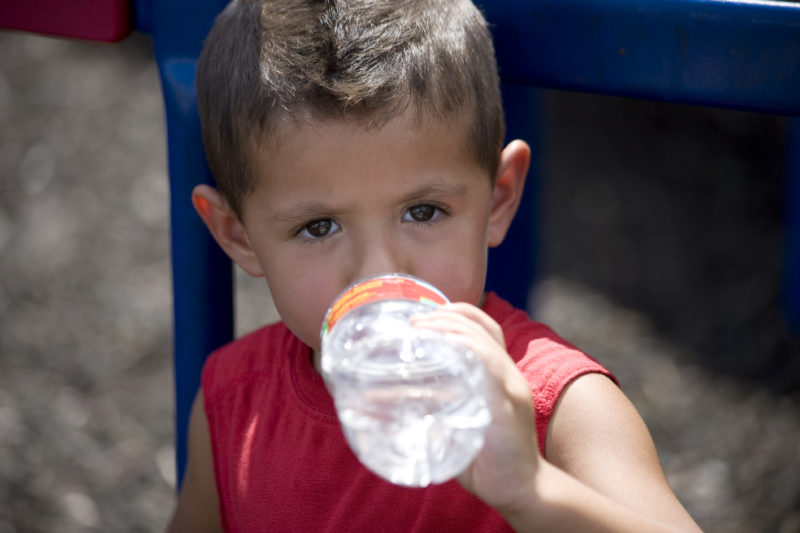
Water bottle sales have nearly tripled compared to the falling rates of soda consumption, reports the New York Times. This prompts the question, do the studies showing the link between obesity and consumption of sugary beverages make an impact? J. Alexander M. Douglas Jr., president of Coca-Cola North America, was quoted in the same article: “Health and wellness are a major enduring trend and each brand has to compete in that environment." But healthier beverage options are not just trending across certain states. They are being proven as recent market reports show a noticeable decrease in soda consumption. Sugary beverage taxes are not popular in all states, as in California, but a growing amount of sugary beverage consumers may be realizing the health warnings associated ...
Although risk is higher for some women, breast cancer remains a top cause of death. Spread awareness about breast cancer and the importance of getting regular mammograms by joining our weekly #SaludTues tweetchat! WHAT: #SaludTuesTweetchat: “Breast Cancer: Early Detection Saves Lives”
DATE: Tuesday, October 6, 2015
TIME: 1-2 p.m. ET (Noon-1 p.m. CT)
WHERE: On Twitter with hashtag #SaludTues
HOST: @SaludAmerica
CO-HOSTS: FDA en Espanol (FDAenEspanol,) FDA Women (@FDAWomen) Gobierno USA (@GobiernoUSA) USA Gov (@USAGov) Be sure to use the hashtag #SaludTues to follow the conversation on Twitter/X and share your stories and resources. #SaludTues is a Tweetchat on Twitter/X that focuses on a variety of different health issues. From September 2014 to March ...
Some kids consume more sugary drinks than average. This contributes to high rates of overweight/obesity. What can be done? You're invited to join a webinar at 2 p.m. ET Wednesday, Sept. 30, to learn about new local and national efforts to improve kids' access to healthy drinks. The webinar, sponsored by the national Council of La Raza (NCLR) and including Salud America!, is bringing together a panel of experts to highlight successful efforts from across the country to improve beverage choices and healthy environments in schools and other community settings: Rosalie P. Aguilar, MS, Project Coordinator, Salud America!
David Thomsen, Policy Analyst, Health Policy Project, NCLR
Anisha Patel, MD, Assistant Professor, Division of General Pediatrics, University of California, ...
The Endocrine Society recently published research that reveals exposure to endocrine-disrupting chemicals (EDCs) is associated with increased risk of developing diabetes and obesity. These common chemicals are found in everyday items like food can linings, cash register receipts, plastics, cosmetics, flame retardants and pesticides. “The evidence is more definitive than ever before – EDCs disrupt hormones in a manner that harms human health,” said Andrea C. Gore, Professor and Vacek Chair of Pharmacology at the University of Texas at Austin, in a recent Newswise article. Gore went on to state that, “Hundreds of studies are pointing to the same conclusion, whether they are long-term epidemiological studies in human, basic research in animals and cells, or research into ...
The National Institute of Arthritis and Musculoskeletal and Skin Disease (NIAMS) has launched a new Spanish-language website that provides free health information on conditions of the bones, joints, muscles, and skin. “Many diseases in our scientific portfolio, including lupus, arthritis, and osteoporosis have profoundly negative effects,” said NIAMS Director Dr. Stephen Katz. “We are committed to providing quality health information to all people, no matter what language they speak [or their background].” The new site features easy-to-use navigation tools to help Spanish-speaking individuals identify and locate NIAMS health topics. Some of the features offered include improved access to NIAMS Spanish-language federal information and resources, information on ...
Now you can be more connected with health issues with a new bilingual live show produced by Salud America!. #SaludbySandra & #SaludconSandra will air every Tuesday at 11 a.m. ET on Periscope and Twitter. The show is hosted by Professor Sandra San Miguel, Research Instructor at the Institute for Health Promotion Research at UT Health San Antonio. Here’s the schedule of the topics we will cover in the next three weeks: 09/15/2015- National Childhood Obesity Awareness Month
09/22/2015- Oral Health Habits
09/29/2015- Family Health & Fitness You can catch the show live on Periscope and ...
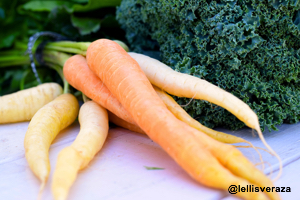
Getting kids to eat vegetables isn't always an easy job, especially when some families are more likely to live in neighborhoods that have little to no access to local grocery stores. However, a recent research study in the Journal of the Academy of Nutrition and Dietetics suggests that Latino kids who consume more vegetables in their diets, are healthier overall, even if they are overweight. The study reveals that kids who are eating vegetables, like spinach, broccoli or carrots, even for just a fraction of their diet, can reduce bad fats in the body. The study focused on a group of overweight Latino children, monitored by a researchers from The Keck School of Medicine, and the University of Texas at Austin (UT Austin). They found that children who consume one or two fist-size ...