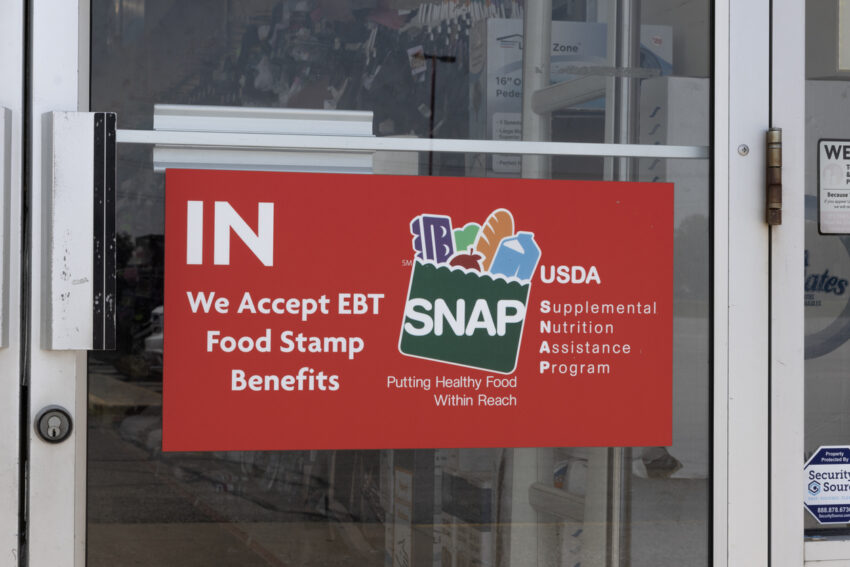
Starting April 1, 2026, Texas recipients of the Supplemental Nutrition Assistance Program (SNAP) will have new food purchase restrictions, including no candy and sugary drinks. These changes were made to comply with Senate Bull 379, which passed in June 2025 and is one of three bills under Texas’ “Make America Healthy Again” initiative, prohibiting the use of SNAP benefits to purchase less healthy foods and encouraging the purchase of more nutritious foods like fruits and vegetables. “In August 2025, the U.S. Department of Agriculture Food and Nutrition Service approved a healthy foods waiver that was submitted by Texas and allows the state to implement the SNAP limitations,” according to the Texas Health and Human Services Commission. With this in mind, let’s dive ...
In 1998, the U.S. Surgeon General released a landmark report calling for tobacco control interventions for Hispanic and Latino and other populations. Has this goal been met? To find out, Dr. Amelie G. Ramirez of UT Health San Antonio analyzed public health efforts since 1998 and identified a mix of replicable successes and remaining challenges in tobacco control, according to her recent article in JNCI Monographs. "Although progress has been made in the years since the report's release, [Latino and other] tobacco users continue to have limited access to cessation medication and support services," Ramirez wrote. "Cultural barriers and tobacco industry marketing have also complicated cessation efforts." "Despite these challenges, some outreach and cessation efforts have shown ...
One in 10 US adults older than 65 will experience dementia, and another 22% will have some form of mild cognitive impairment, according to Columbia University researchers. The good news is that you can reduce your risk of Alzheimer's Disease and dementia. Here are 10 positive changes that you can make to lower your risk for cognitive decline and improve your overall health, according to the Alzheimer's Association.
1. Protect Yourself from Brain Injuries Traumatic brain injuries have been linked to an increased risk for developing dementia. According to a published study examining the relationship between injury and cognitive decline, traumatic brain injuries can increase dementia risk between 2-and 4-fold. One of the best ways of preventing traumatic ...
Durante los últimos años, Los Hispanos/Latinos que viven en el Sur de Texas han compartido sus historias de cáncer con el equipo del estudio de cohorte de supervivencia al Cáncer Hispano/Latino Avanzando Caminos Hispanic en UT Health San Antonio. Pero hasta ahora esas historias se limitaban a sobrevivientes de cáncer de próstata, colorrectal, pulmón, estómago, hígado, endometrio, mama, cuello uterino y riñón. Ahora es el momento de que los sobrevivientes de cáncer de vejiga, melanoma, ovario, tiroides y linfoma también compartan sus experiencias. El estudio Avanzando Caminos ahora está inscribiendo a participantes que hayan completado sus tratamientos primarios contra el cáncer para uno de los tipos de cáncer designados en los últimos 10 ...
As the leading cause of cancer-related deaths in the US, colorectal cancer is affecting more Americans now than ever before. While scientists are working to find out why these rates are increasing, the numbers continue to grow, especially in people younger than 50. Here are 9 bilingual resources for colorectal cancer patients, survivors, caregivers, and their families.
1. Colorectal Cancer Support Services
Cancer is a very costly disease in more ways than one. Not only does it create a physical and emotional burden, but also a financial one. Several organizations are working to ease the financial burden of colorectal cancer treatment, including the Colorectal Cancer Alliance. Colorectal Cancer Alliance connects patients and caregivers to financial ...
It’s often said that a cancer diagnosis doesn’t just affect the person that has cancer, it affects the entire family. That’s especially true in today’s landscape when cancer is starting to affect younger people in their 30s, 40s, and early 50s. The people being diagnosed with cancer today often have young children. In a lifetime, one in 20 kids will experience a parent’s cancer diagnosis before they graduate high school, according to the Pickles Group. These young children often struggle to comprehend cancer and how it might change a family dynamic. Not only do lifestyles change, so do increasing thoughts of mortality and the fear of losing a parent to the disease. The experience of having a parent with cancer can be extremely difficult ...
Did you know that as you get older your immune system weakens? This can increase your risk of illness resulting in hospitalization and diseases like cancer. That’s why it’s important to stay up to date on your vaccinations once you hit a certain age. For instance, at age of 50 it’s recommended you get a pneumococcal vaccine to protect you against serious infections leading to worse health outcomes and even death. To spread the word about the importance of getting the pneumococcal vaccine, Salud America! is partnering with CVEEP. CVEEP is a leading vaccine education platform that seeks to improve vaccine accessibility and spread vaccine awareness with helpful resources, including a vaccination site locator tool. Let’s go over the vaccine and how it ...
During a month that celebrates love, we also prioritize hearts for American Heart Month! This is a time to bring awareness to cardiovascular disease, promote educational resources, and learn more about prevention and heart health. Let’s explore some helpful bilingual resources and tools you can learn from and share with others during American Heart Month.
1. The American Heart Association
The American Heart Association (AHA) highlights that more than 23,000 children experience cardiac arrest outside of the hospital each year. With this in mind, it’s important to be trained in CPR. “By giving someone CPR you can double or even triple their chances of survival. Be ready when it matters most. Learn CPR and become part of the Nation of Lifesavers,” the AHA ...
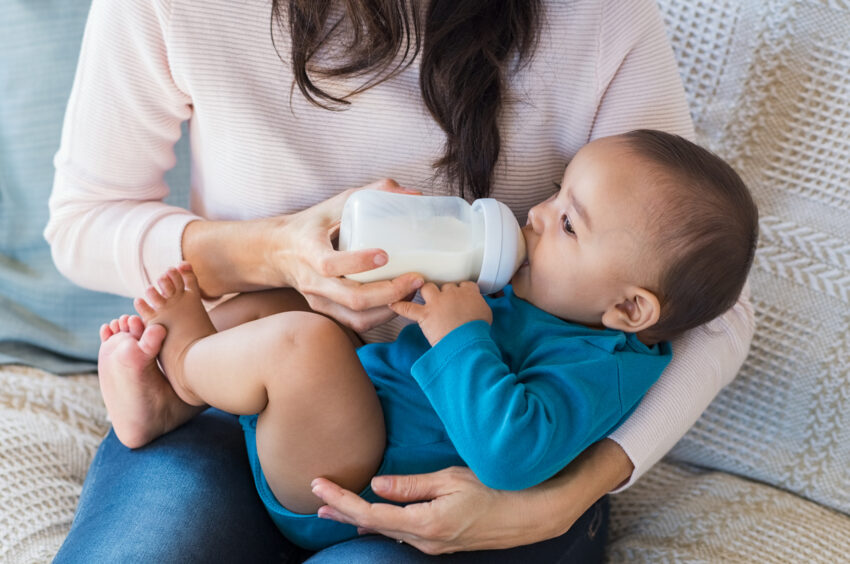
From breastfeeding to solid foods and vegetables, the U.S. Centers for Disease Control and Prevention (CDC) address childhood food issues in a new report, Early Childhood Nutrition. The report covers: Breastfeeding
Support for Infant Feeding
First Solid Foods
Healthy Eating
Affordability of Nutritious Foods Let’s dive deeper into the report and how it impacts families with children.
1. Most Infants Don’t Receive Full Health Benefits from Breast Milk
The CDC report found that only 2 in 5 infants born in 2022 were still being breastfed on their first birthday, meaning that most infants do not receive the full health benefits that breast milk can provide. “Breastfeeding is the best source of nutrition for most infants. It helps protect babies and moms from ...