The USDA’s newest Dietary Guidelines for Americans, 2025–2030 focus on eating more real foods and less highly processed ones. The guidelines, released on Jan. 7, 2026, also contain a refreshed food pyramid. Let’s look at 10 recommendations in the new guidelines and how it can impact everything from and how it can impact everything from how to shop at the grocery store to how you cook at home.
1. Eat Real Food
The new dietary guidelines have a simple foundation: eat real food. That means more diets built on whole, nutrient-dense foods like protein, dairy, vegetables, fruits, healthy fats, and whole grains. Pair that with a “dramatic reduction” in highly processed foods laden with refined carbohydrates, added sugars, excess sodium, unhealthy fats, and chemical ...
A little over 40% of US adults are impacted by obesity, including many Latinos, putting them at higher risk for diabetes, heart issues, and cancer. But when people with obesity try to get help, negative stigma can curb progress. Often, they hear advice from healthcare providers like; “Eat healthier” or “Work out.” While these are key parts of a healthy life, other factors and underlying conditions are involved. When a healthcare provider is quick to dismiss a patient with this advice, it can make the patient feel like they are to blame and may even make matters worse. That’s why the Endocrine Society is launching interactive listening sessions to enable patients and people who have experience with obesity to help shape best practices and clinical ...
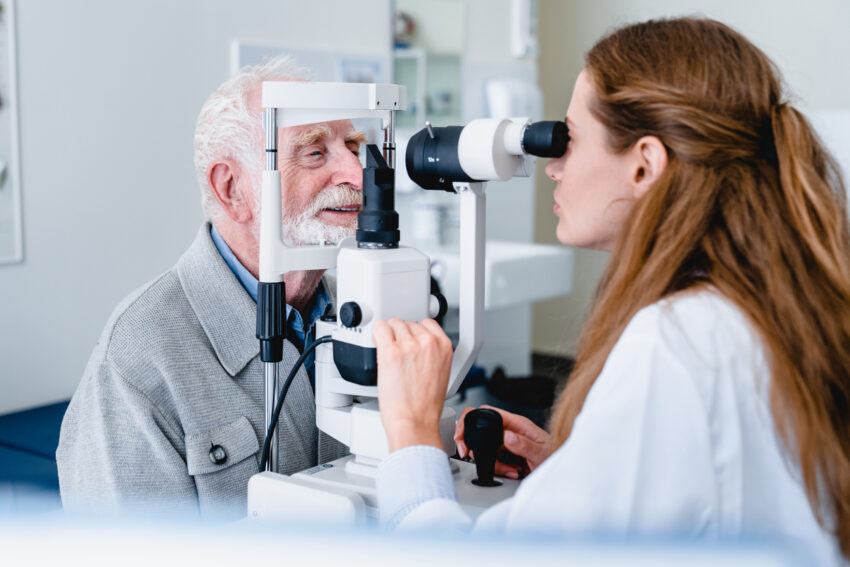
Glaucoma is defined as a group of eye diseases that can cause vision loss and blindness by damaging a nerve in the back of your eye, called the optic nerve. At first, glaucoma doesn’t usually have any symptoms. “Over time, you may slowly lose vision, usually starting with your side (peripheral) vision — especially the part of your vision that’s closest to your nose. Because it happens so slowly, many people can’t tell that their vision is changing at first,” according to the National Eye Institute (NEI). With the month of January recognized as Glaucoma Awareness Month, let’s explore helpful glaucoma-related resources that can help people protect their vision!
Types of Glaucoma
There are several types of glaucoma, with some being caused by ...
Commuting is a part of everyday life for many. In fact, almost 140 million people in the United States routinely commuted to work in 2022, according to the United States Census Bureau. Many Latino parents with low incomes who commute to work are commuting a long way, with 1 in 10 traveling 60 minutes or more to work, according to a new report by the National Research Center on Hispanic Children and Families (NRCHCF). Let’s look deeper into data on commutes and how it impacts families and communities.
Commuting by the Numbers
According to the NRCHCF research, people who commute to work outside of the home take an average of 27.8 minutes to travel to work. For Latino parents with low incomes, the distance increases. “One in 10 (10%) Hispanic parents with low ...
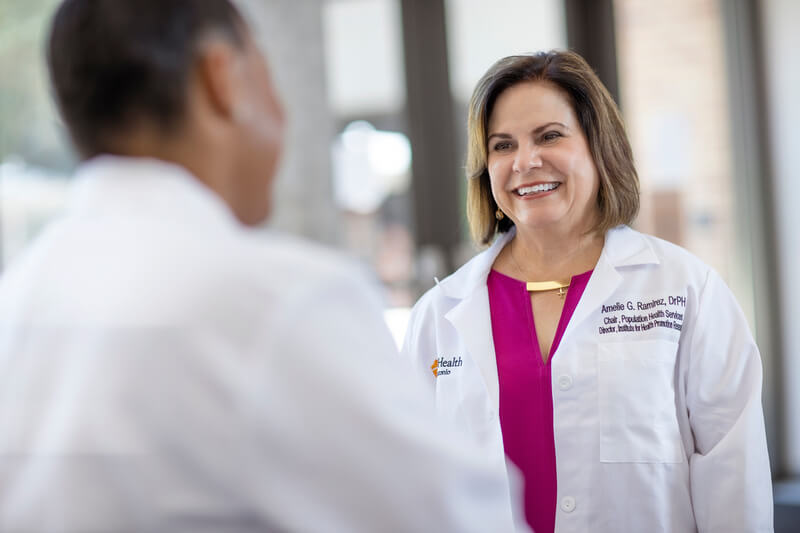
How can we help our abuelos and other loved ones who are dealing with Alzheimer's disease? Clinical trials! These are studies with volunteers that help researchers learn more to help slow, manage, and treat Alzheimer’s for current and future family members. But without volunteers for clinical trials, the benefits may miss certain groups. That's why Salud America! is joining the San Antonio Center for Alzheimer’s Disease and Related Dementias (AD/ADRD) Population Aging and Social Studies (CAPAS). CAPAS will unite researchers from UT San Antonio, the Center for Brain Health, the Biggs Institute for Alzheimer’s and Neurodegenerative Diseases, and others. Community Impact, a local news agency across Texas, featured the effort in an article and interviewed Dr. Amelie G. ...
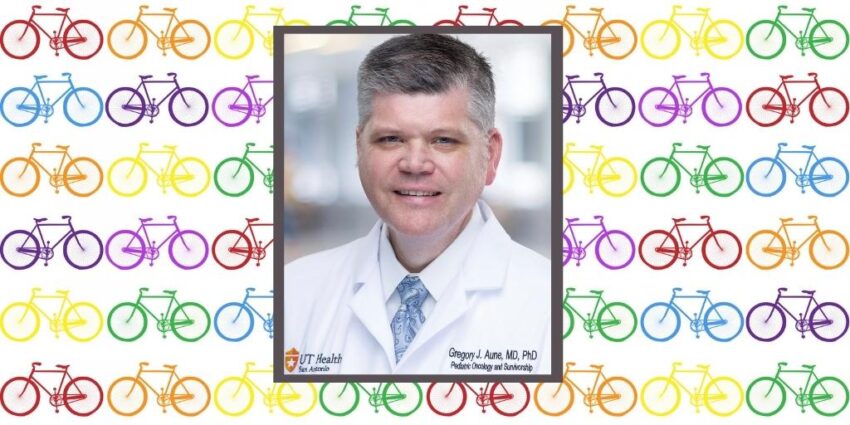
Gregory Aune was 16 when he was diagnosed with Hodgkin’s Lymphoma. Aune spent a year enduring grueling treatment, losing over 70 pounds. But he survived. His experience motivated him to pursue a clinical career and help children with cancer. Today, Dr. Aune is an associate professor of pediatric hematology and oncology at the Greehey Children’s Cancer Research Institute (GCCRI) of UT Health San Antonio, on a mission to find new ways to help and heal patients. That's why he helped found the Gear Up Against Kids Cancer Bike Ride — to raise awareness of childhood cancer and support the mission of the GCCRI. The inaugural Gear Up Against Kids Cancer Bike Ride took place on April 2, 2022, in Floresville, Texas. The 5th annual bike ride is set for 8 a.m. on Saturday, May ...
Do you have dense breasts? Half of US women have dense breasts, but many don’t even know it or know how it impacts their breast health. Watch UT Health San Antonio’s webinar on breast density, mammography, “Difference in Density: Why it Matters for Your Breast Health,” at 12 p.m. Central on Wednesday, January 28, 2026. This webinar featured experts from the Mays Cancer Center at UT Health San Antonio, a breast cancer survivor with firsthand experience with dense breasts, and a representative from the Susan G. Komen foundation. Together, they discussed how to talk to your doctor about dense breasts and the steps you should take to monitor your breast health following a dense breast diagnosis. With this knowledge, patients can feel empowered to talk to ...
Researchers are working hard to find new ways to treat triple-negative breast cancer (TNBC), an aggressive disease. However, many Latina and Hispanic women face challenges in TNBC diagnosis, treatment access, and supportive care. Patients and caregivers from these communities often navigate complex health systems and deal with non-medical drivers of health. To address these issues and apply findings to all populations, Medlive, a digital health education platform, with the support of Gilead Sciences, Inc., partnered with Salud America! and Surviving Breast Cancer.org to design an educational initiative to align TNBC learning experiences for clinicians, patients, and caregivers. Medlive published their results in an abstract for the 2025 San Antonio Breast Cancer Symposium ...
The 2026 New Year brings about new resolutions for many hoping to adopt a healthier lifestyle like eating healthier or exercising more. Quitting smoking could help, too. With several health problems stemming from smoking including cancer, heart disease, and respiratory infections, why not quit smoking as a resolution? Let’s dive into the facts and benefits of leaving smoking behind in 2025!
Rates of Latino Smokers
49.2 million (19.8%)—or nearly 1 in 5—U.S. adults reported current tobacco product use in 2022, according to the CDC. How does this impact Latinos? About 1 in 13 (7.7%) Hispanic or Latino adults in the U.S. smokes cigarettes, according to the CDC. Cigarette smoking also is more common for Latino men than Latinas. Latino youth can also be targeted ...