 by
by 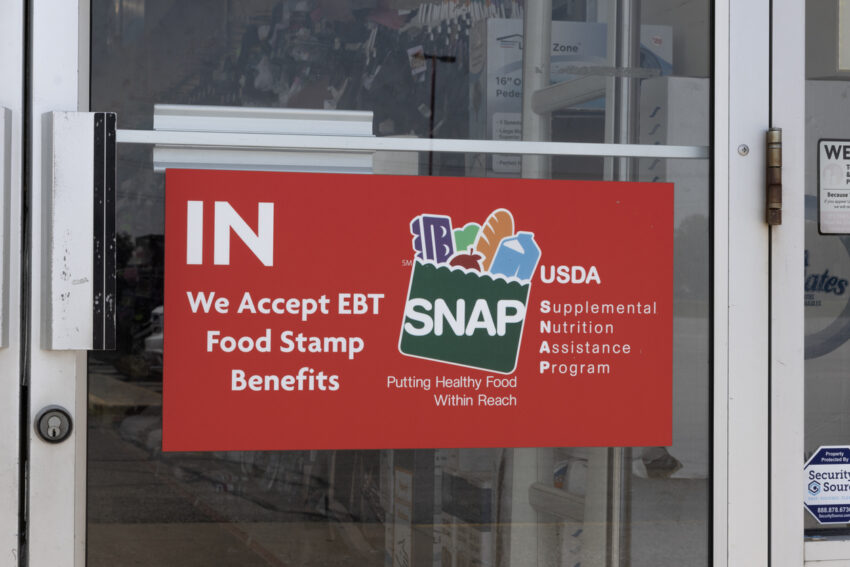
Share On Social!
Starting April 1, 2026, Texas recipients of the Supplemental Nutrition Assistance Program (SNAP) will have new food purchase restrictions, including no candy and sugary drinks.
These changes were made to comply with Senate Bull 379, which passed in June 2025 and is one of three bills under Texas’ “Make America Healthy Again” initiative, prohibiting the use of SNAP benefits to purchase less healthy foods and encouraging the purchase of more nutritious foods like fruits and vegetables.
“In August 2025, the U.S. Department of Agriculture Food and Nutrition Service approved a healthy foods waiver that was submitted by Texas and allows the state to implement the SNAP limitations,” according to the Texas Health and Human Services Commission.
With this in mind, let’s dive deeper into these new restrictions and how they impact families and communities.
Why Is SNAP Important?
In Texas, 3.47 million people (11.4% of the state population) relied on SNAP to help afford groceries in 2024, according to Every Texan.
“With more than 4 million Texans relying on food benefits each month, SNAP supports a diverse mix of households: working families, seniors, and people with disabilities to name a few. Participation and average benefit levels vary significantly by county and demographic group, underscoring regional economic and food security challenges,” Every Texan states.
SNAP ultimately helps communities and families in many ways, when it comes to affording and accessing nutritious food.
“Millions of low-income households, [people from overlooked communities], and their families rely on basic supports to access health care, feed themselves, afford childcare, and survive financial and health insecurity,” according to a blog post from UnidosUs.
SNAP Restrictions on Candy
Texas’ new SNAP restrictions prohibit the purchase of candy.
The Texas Health and Human Services Commission defines candy as:
- Candy bars
- Gum
- Taffy
- Nuts, raisins or fruits that have been candied, crystalized, glazed or coated with chocolate, yogurt, or caramel
“Texas is leading the way in aligning SNAP benefits with healthier food options,” said Texas Gov. Greg Abbott in a press release. “By implementing these changes, we encourage better nutrition and ensure this program helps families access nutritional food.”
SNAP Restrictions on Sugary, Sweetened Drinks
Sweetened drinks, or sugary drinks, are also prohibited through SNAP benefits.
The Texas HHS defines sweetened drinks as non-alcoholic beverages “made with water, that contain 5 grams or more of added sugar or any amount of artificial sweetener.”
These include beverages that:
- Contain milk or milk products like soy, rice or similar milk substitutes.
- Have more than 50% vegetable or fruit juice by volume.
- Contain natural sweeteners (such as stevia, stevia leaf extract, and monk fruit) with less than 5 grams of added sugar.
- Are medical-grade electrolyte drinks used to treat dehydration that are not labeled as a sports drink.
Common artificial sweeteners in drinks are aspartame, acesulfame potassium (Ace-K), and sucralose among others.
Food Products that Can Be Bought with Snap
Through SNAP, many nutritious options remain available for families at the grocery store.
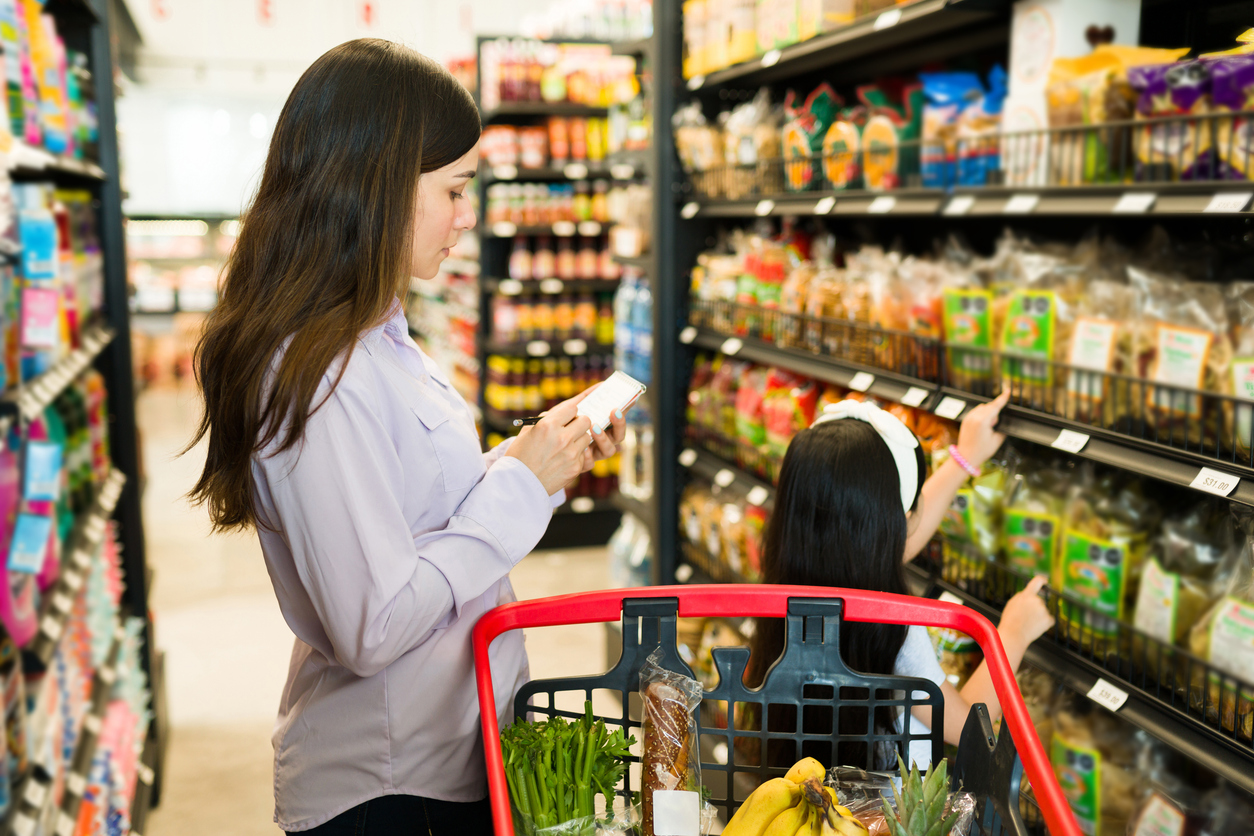
Items that can be purchased include:
- Fruits, vegetables, garden seeds, and plants that produce food
- Milk, milk substitutes and other dairy products
- Bread and cereal
- Meat, fish and poultry
For more details about SNAP benefits, how to apply for assistance, and additional information, visit the Your Texas Benefits website, accessed here.
Help Improve Nutrition and Food Access
You can learn more about the SNAP work requirements here, or read stories about real people who have had their lives changed through SNAP participation.
You also can find out what food security and nutrition look like in your community using Salud America’!s Health Report Card!
Select your county and see details regarding food and nutrition including:
- food access
- percentage of population with SNAP Benefits
- grocery store rate
Email your Report Card to community leaders, share it on social media, and use it to make a case to address food and nutrition insecurity where help is needed most!
By The Numbers
142
Percent
Expected rise in Latino cancer cases in coming years