April is recognized as National Cancer Prevention and Early Detection Month. This observance was led by the Prevent Cancer Foundation, along with the support of 84 additional organizations, to raise awareness and reduce the impact of cancer on individuals, families, and communities. “We hope it serves an important reminder to the public that they have the power to take charge of their health with lifestyle changes and routine screenings, because early detection equals better outcomes,” said Jody Hoyos, CEO of the Prevent Cancer Foundation, in a previous press release. Let’s dive into what resources are available and how you can speak up for cancer prevention!
Resources for Raising Awareness
One aim of Cancer Prevention and Early Detection Month is to raise awareness by ...
Primary care practices that employ nurse practitioners (NPs) are more likely to serve low-income communities than practices with no NPs on staff, according to researchers from the Columbia University School of Nursing. Dr. Monica O’Reilly-Jacob, assistant professor and study leader, along with her colleagues looked at 79,743 primary care practices across the United States. Of these practices, 53.4% employed NPs in 2023, a large jump from 21% in 2012. Let’s go beyond the surface of these results and explore how it impacts others.
The Importance of Nurse Practitioners (NPs)
The U.S. Bureau of Labor Statistics estimates that as of May 2023, 280,140 organizations employed nurse practitioners (NPs) nationally. According to the researchers, practices with NPs were more likely ...
March is recognized as National Nutrition Month.® During this time, folks can prioritize better nutrition and take advantage of many resources that can help improve the health and nutrition of all families. Let’s dive deeper into resources that can be helpful to you and your families in achieving the best nutrition possible.
1. ‘Food Connects Us’ from the Academy of Nutrition and Dietetics
The Academy of Nutrition and Dietetics created National Nutrition Month® in 1973. With this year’s theme of “Food Connects Us,” the Academy’s annual campaign encourages people to make informed food choices and develop strong eating and physical activity habits. “Health, memories, traditions, seasons and access can all impact our relationship with food. While these factors ...
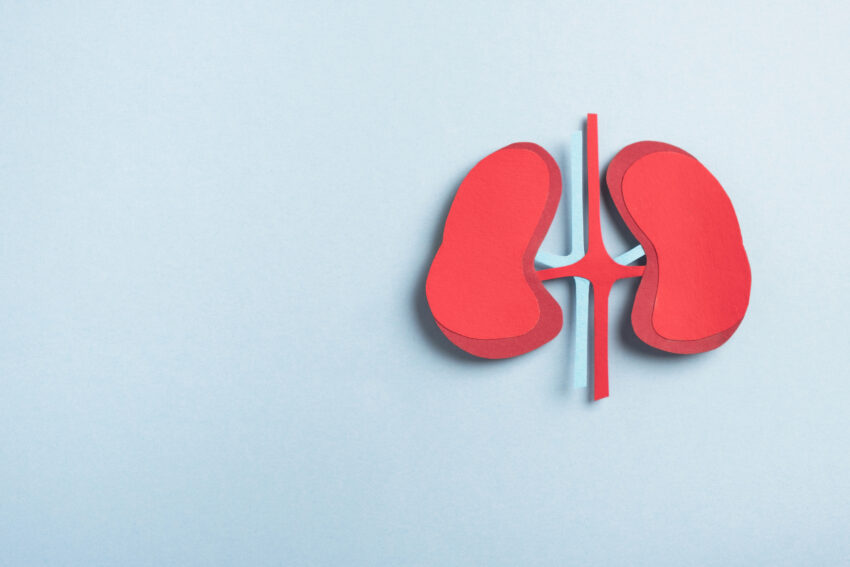
1 in 7 American adults are impacted by kidney disease. The month of March is recognized as National Kidney Month and serves as a way to not only bring awareness to health issues like kidney disease and encouraging others to take charge of their health. “Kidney disease is known as a silent killer due to the fact that as many as 9 in 10 people living with the condition are unaware that they have it and do not have symptoms until the later stages,” according to the American Kidney Fund. Let’s dig deeper into this topic and how you can spread awareness during National Kidney Month!
1. National Institute of Diabetes and Digestive and Kidney Disease (NIDDK)
During National Kidney Month, the NIDDK has provided several resources, including a list of healthy lifestyle habits to ...
Scientists and collaborators at the Icahn School of Medicine at Mount Sinai recently identified novel genetic interactions that may contribute to congenital heart disease. Congenital heart disease (CHD) is a problem with the heart’s structure at birth. Let’s go beyond the surface and learn more about what the research means and how it can help others!
The Health Impact of Congenital Heart Disease (CHD)
When a disease or condition is congenital, it means someone is born with this condition. Congenital heart diseases or defects occur when “when the heart, or blood vessels near the heart, don’t develop normally before birth. Such defects result when a mishap occurs during heart development soon after conception — often before the mother is aware that she is pregnant,” ...
People, including Latinos, who are living with a serious illness face significant challenges in their health care experience, according to a research review from the Center to Advance Palliative Care (CAPC), part of the nonprofit Icahn School of Medicine at Mount Sinai. The research review analyzed over 200 peer-reviewed journal articles to understand the health care experience of Latino patients with serious illnesses, and their families and unpaid caregivers. This is important for all people because Latinos represent 19.5% of the US population and their experience is reflective of the healthcare experience of the entire US. Let’s take a closer look into 14 key findings and their impact on patients.
1. Evidence is inconclusive as to whether certain patients face issues in ...
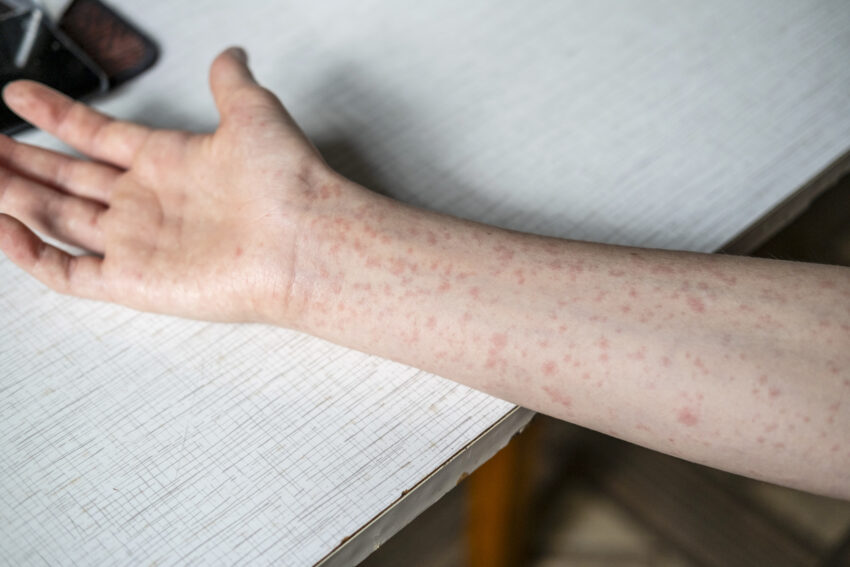
Measles (Rubeola) is a contagious, infectious disease caused by a virus. While some people think of measles as just a little rash and fever that clear up in a few days, measles can cause serious health complications. View our “Measles Fact Sheet” in English or Spanish and let’s dive deeper into measles and how frontline healthcare workers can minimize the spread of this infectious disease!
Who is at Risk?
Anyone who is not immune to measles is at risk. Measles is very contagious. It spreads through the air when an infected person breathes, talks, coughs or sneezes. You can get measles just by being in a room where a person with measles has been. Complications of measles can be minor, like ear infections, or serious, like pneumonia and encephalitis. There are ...
El sarampión (rubéola) es una enfermedad contagiosa e infecciosa causada por un virus. Aunque algunas personas piensan en el sarampión como simplemente un pequeño sarpullido y fiebre que desaparecen en unos pocos días, el sarampión puede causar complicaciones de salud graves. ¡Consulta nuestra "Hoja Informativa sobre el Sarampión" en inglés o español y profundicemos en el tema del sarampión y cómo los trabajadores de la salud de primera línea pueden minimizar la propagación de esta enfermedad infecciosa!
¿Quién está en Riesgo de Contraer Sarampión? Cualquier persona que no se haya vacunado o que no haya tenido sarampión en el pasado está en riesgo. El sarampión es muy contagioso. Se puede propagar a través del aire cuando una persona infectada respira, ...
The beverages we drink are important for our hydration and health. That’s why experts have made recommendations for healthy drink choices for children ages 5 to 18 based on evidence from the Academy of Nutrition and Dietetics, the American Academy of Pediatric Dentistry, the American Academy of Pediatrics, and the American Heart Association. Healthy Eating Research (HER) has published these main recommendations: Beverages to drink: Plain drinking water and plain pasteurized milk. Beverages to limit: 100% juice, plant-based milk alternatives, and sweetened flavored milk. Beverages to avoid: Sugary drinks, sugar-sweetened beverages, beverages with non-sugar sweeteners, and caffeinated beverages. Let’s dive deeper into these recommendations and how they can impact your ...