Good health is important for all people! With this in mind, Dr. Amelie G. Ramirez, leader of Salud America!, is sharing an important comment to focus on many aspects of health for Latinos and all people as part of the National Institutes of Health (NIH) Strategic Plan for Fiscal Years 2027-2031. Endorse Dr. Ramirez’s comment here. Comments must be submitted by 11:59 p.m. ET on Tuesday, May 26, 2026. May 2026 UPDATE: 97 Salud America! members submitted comments in support of Dr. Amelie G. Ramirez’s comment to prioritize many aspects of health and research for Latinos and all people. Endorese the Comment
Endorse Dr. Ramirez’s Comment on the NIH-Wide Strategic Plan
Dear NIH leaders, As the leader of Salud America!, an organization that promotes health improvement ...
There are now 631 colleges and universities registered as Hispanic-Serving Institutions (HSIs) across 29 states, Washington, D.C., and Puerto Rico. This is an increase over the 602 reported last year, according to a new report from ¡Excelencia in Education!. HSIs are defined as “accredited, degree-granting public or private not-for-profit institutions of higher education with 25% or more total undergraduate Hispanic full-time equivalent student (FTE) enrollment.” Let’s explore what this means and how it impacts students.
By the Numbers: Hispanic-Serving Institutions (HSIs)
HSIs represent 21% of all colleges and universities but enroll 65% of Latino and 32% of all undergraduates, according to ¡Excelencia in Education!. The graduation rate for HSIs include 67% of ...
Wherever you live, learn, work, and grow in San Antonio, the non-medical drivers of health (NMDOH) can ultimately shape your health outcomes. NMDoH issues include access to affordable housing, healthy food, reliable transportation, education, healthcare, income level, and more. If we can identify and address NMDoH, we can create a healthier future for all. Download the Salud America! Action Pack, “Help People Solve Their NMDoH Problems in San Antonio,” to connect people with the right community resources for help with housing, food, transportation, and healthcare. The action pack, developed by Dr. Amelie G. Ramirez at UT Health San Antonio, helps you identify local NMDoH issues and offers a San Antonio-focused community resource guide with Spanish-language support and ...
Quality childcare plays an important role for parents, children, and the economy. Yet America has a fragmented childcare and early learning system that doesn’t meet the needs of families, businesses, or early educators, according to a new report from the organization Child Care Aware of America. The report unpacks the childcare funding landscape throughout the U.S. “Families struggle to find and afford child care, the child care workforce is woefully underpaid, child care programs operate on razor thin margins, and businesses are suffering lost productivity and workforce turnover due to child care issues,” according to the report. Let’s dig deeper into these issues and how they can impact children and their families.
1. States Are Still Not on an Even Playing Field ...
Nicotine-based vapes, or e-cigarettes, are likely to cause cancers of the lung and oral cavity, according to a new study led by the UK’s University of South Wales. “[Our study] is the most definitive determination that those who vape are at increased risk of cancer compared to those who don’t,” said study leader Bernard Stewart. Let’s dive into what the study results mean for those who vape.
E-Cigarettes and Cancer Risk
Little attention has focused on whether e-cigarettes might cause cancer on their own. So, study researchers – pharmacists, epidemiologists, thoracic surgeons, and public health experts – examined clinical studies, animal experiments, and laboratory research to understand the chemicals produced by e-cigarettes, according to a news release. They ...
April is National Parkinson’s Awareness Month, a great time to share helpful resources that can spread awareness about Parkinson’s disease. Parkinson’s affects more than 1.1 million people in the U.S. and is the second-most common neurodegenerative disease after Alzheimer's disease. With this in mind, let’s learn more about Parkinson’s, how it impacts patients and families, and resources to share during Parkinson’s Awareness Month.
What Is Parkinson’s Disease?
Parkinson’s disease is defined as a “type of neurologic movement disorder, affecting the brain and causing difficulty with movements, or motor symptoms.” While Parkinson’s can be characterized by its most common motor symptoms like tremors, stiffness or rigidity of the muscles, and slowness of ...
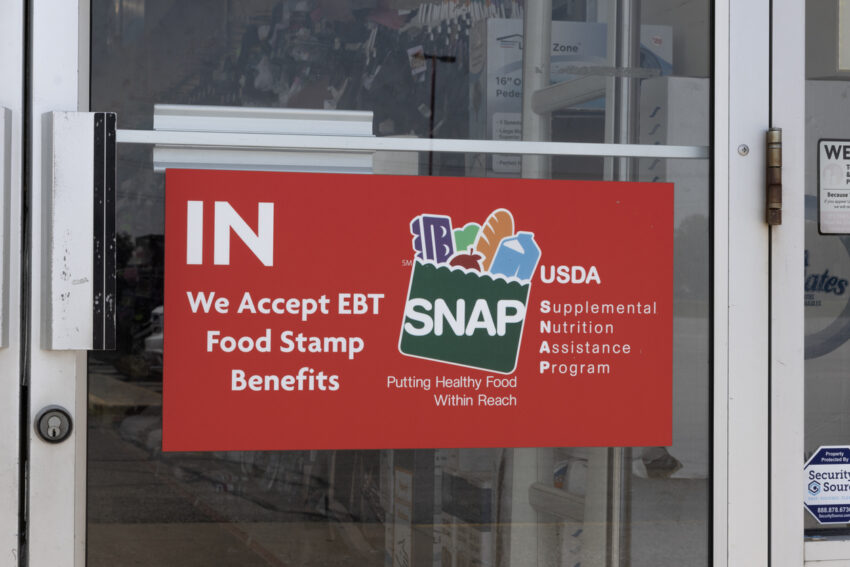
Starting April 1, 2026, Texas recipients of the Supplemental Nutrition Assistance Program (SNAP) will have new food purchase restrictions, including no candy and sugary drinks. These changes were made to comply with Senate Bull 379, which passed in June 2025 and is one of three bills under Texas’ “Make America Healthy Again” initiative, prohibiting the use of SNAP benefits to purchase less healthy foods and encouraging the purchase of more nutritious foods like fruits and vegetables. “In August 2025, the U.S. Department of Agriculture Food and Nutrition Service approved a healthy foods waiver that was submitted by Texas and allows the state to implement the SNAP limitations,” according to the Texas Health and Human Services Commission. With this in mind, let’s dive ...
Artificial intelligence, better known as AI, is part of everyday life for many people. In fact, experts say people interact with AI almost constantly or several times a day, from looking up information to creating something to making decisions. That goes for health decision-making, too. “AI is rapidly becoming a key player in many people's medical decisions. According to OpenAI, the maker of ChatGPT, more than 40 million people consult the platform every day for health information,” NPR reports. Let’s dive deeper into what this means and how trustworthy AI is for health advice.
Making the Right Medical Choices with AI?
One in six American adults consult AI chatbots for health information at least once a month, according to a recent study in Nature Medicine. The ...
The Institute for Integration of Medicine & Science (IIMS) at UT Health San Antonio is announcing its 16th Annual Frontiers of Translational Science Research Day on Monday April 27, 2026. In celebration, the institute is calling for abstracts for posters from researchers that demonstrate the power of translational science, which is the process of using research to develop interventions. Translational science aims to improve health and improve disease outcomes. Abstracts can highlight translational research projects that are complete or ongoing. Selected projects will join a poster session on the day of the event. submit an abstract HERE!
Participant Guidelines for Translational Science Research
The deadline for abstract submissions is Monday, April 6, 2026. If ...







97 People Endorsed Dr. Amelie Ramirez’s Comment on NIH Strategic Plan
Good health is important for all people! With this in mind, Dr. Amelie G. Ramirez, leader of Salud America!, is sharing an important comment to focus on many aspects of health for Latinos and all people as part of the National Institutes of Health (NIH) Strategic Plan for Fiscal Years 2027-2031. Endorse Dr. Ramirez’s comment here. Comments must be submitted by 11:59 p.m. ET on Tuesday, May 26, 2026. May 2026 UPDATE: 97 Salud America! members submitted comments in support of Dr. Amelie G. Ramirez’s comment to prioritize many aspects of health and research for Latinos and all people. Endorese the Comment Endorse Dr. Ramirez’s Comment on the NIH-Wide Strategic Plan Dear NIH leaders, As the leader of Salud America!, an organization that promotes health improvement ...
Read More