About the Author

Author Picture

Amanda Merck

Merck completed her MPH with a concentration in Physical Activity and Health. She curates content for Salud America! (@SaludAmerica), a Latino childhood obesity prevention project based at the Institute for Health Promotion Research at UT Health San Antonio. She focuses on the latest research, resources, and stories related to policy, systems, and environmental changes to enhance equitable access to safe places for kids and families to walk, bike, and play.


Connect with Amanda:
Twitter Link

Articles by Amanda Merck

Wintermission Competition to Increase Social Interaction and Physical Activity


Mom and son playing at park on cold winter day.

Does your city want to embrace the winter, rather than merely endure it? Apply for Wintermission! Wintermission will coach three U.S. cities to plan, pilot, and implement creative solutions to increase social interaction and physical activity among children, newcomer families, and other vulnerable communities in public spaces during the coldest, darkest months of the year. Applications, offered by nonprofit 8 80 Cities, are due Nov. 29, 2018. “Building a culture of public life outside in winter also helps build a culture of public life in all seasons,” according to the 8 80 Cities website. Improving Social and Physical Activity in Winter Fewer people spend time outdoors in the winter, which contributes to lower rates of physical activity and social ...

Read More

School Strategies to Support Immigrant Students, Families


Male High School Student Talking To Male Latino Teacher.

Immigrants are a part of American society, regardless of ongoing political battles. Schools play a big role in embracing and accommodating the unique socio-emotional needs of immigrant students and their families, well beyond academics. But not all school personnel are equipped to respond to these needs. Fortunately, recent guidelines from the National Dropout Prevention Center can help you and other teachers, administrators, and staff at your school understand and better meet the social, economic, and emotional needs of immigrant students and families. “Meeting the needs of such diverse immigrant child and family situations requires knowledge, commitment, and emotional energy on the parts of school administrators, teachers, and other school personnel,” according to the ...

Read More

John Hernandez & Team Win Award for Creating Trauma-Sensitive Schools


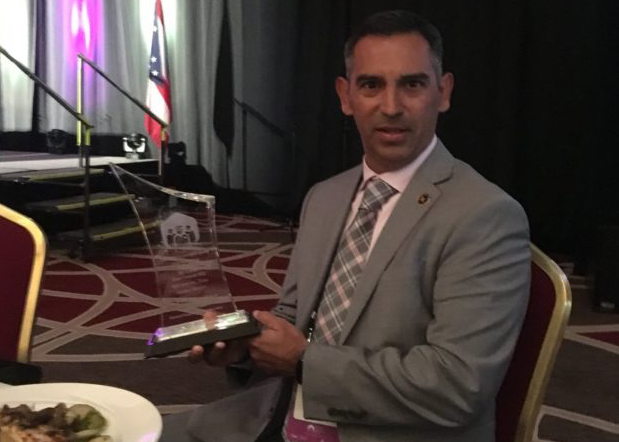
John Hernandez san antonio ec isd trauma award

John Hernandez cares so much about students who experience trauma, such as neglect, that he started a committee and a system to identify, track, and support these kids and prevent drop-outs at East Central ISD in San Antonio. We at Salud America! were so inspired we nominated Hernandez and the committee for the 2018 Crystal Star Award. Now they've won! Hernandez and his committee, called EC Cares, received the Crystal Star Awards of Excellence in Dropout Recovery, Intervention, and Prevention in October 2018 from the National Dropout Prevention Center at their conference in Columbus, Ohio. Every year, the Center brings national recognition to outstanding individuals and programs making significant contributions to the advancement of dropout prevention. Hernandez and EC ...

Read More

Report: Latino, Black Youth Far More Obese than Peers


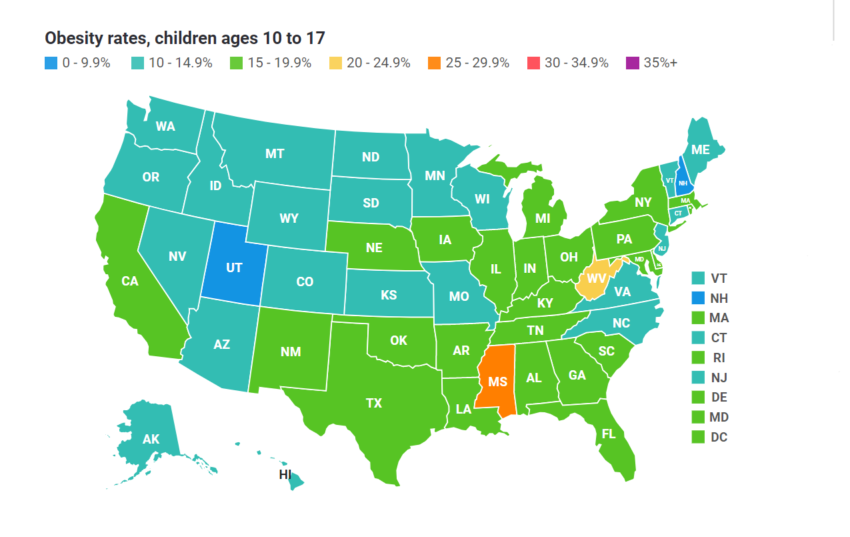
US map youth obesity rates

Nationwide, 20.6% of Latino youth and 22.5% of Black youth have obesity compared to 12.5% of white youth, according to a new data report from the Robert Wood Johnson Foundation (RWJF). The new data feature obesity rates among youth ages 10-17 nationally and from each state from the 2016 and 2017 National Survey of Children’s Health (NSCH), along with analysis conducted by the Health Resources and Services Administration’s Maternal and Child Health Bureau. Five states have Latino youth obesity rates over 30%. No states have White youth obesity rates over that mark. “Far too many young people in this country are facing increased chances of diabetes, heart disease, and high blood pressure, all due to a preventable condition … black and Latino youth are still more likely ...

Read More

Bicycling to Build Community Connection, Wellness


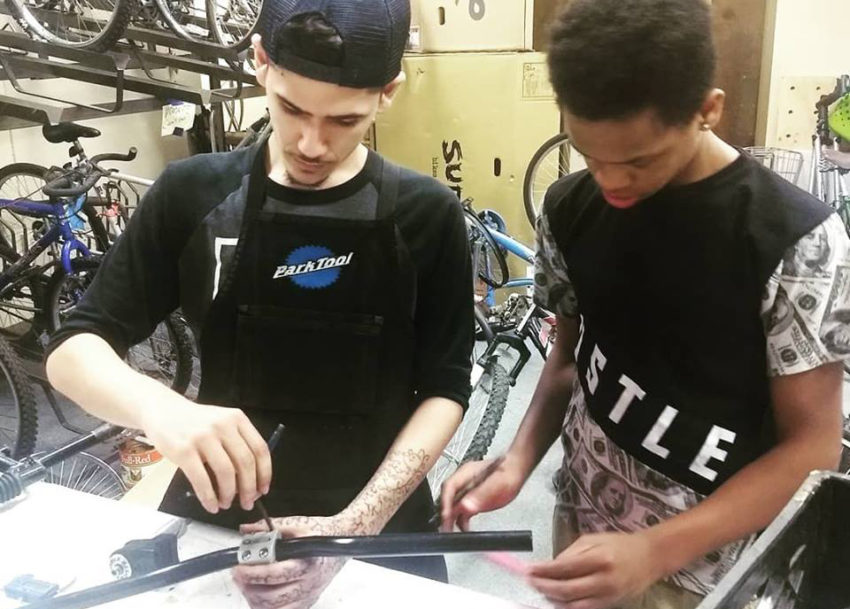
Brandyn joined Bici Co through Earn-A-Bike in 2016, and now he's employed at the shop and passing along his knowledge and skills to the next crew. Source: BiCi Co. Facebook

Bicycling shops went extinct in Hartford, Conn. (43% Latino), a few years ago. That’s why, in 2015, the Center for Latino Progress teamed with Hartford Public Schools and Capital Workforce Partners to open BiCi Co.—short for Bicicleta y Comunidad—a community bike shop cooperative run by students. The shop soon became more than a place to get a bike. It transformed into a hub for community connection, civic engagement, and better health, according to Mobility Lab. How Did They Stimulate Community Connection? Many people don’t feel an emotional connection to or a sense of membership in their community. Those people are less inclined to take action to improve their own health, according to a 2015 Robert Wood Johnson Foundation survey. Community connection can spur ...

Read More

The Upstream-Downstream Parable for Health Equity


upstream downstream parable for public health

Public health advocates talk about health in an “upstream-downstream” fashion. They want to highlight the importance of health promotion and the influence of social, economic, environmental and cultural factors on health equity for Latino and other people of color. It is a parable: A man and a woman were fishing on the river bank when they saw a woman struggling in the current. They rescued her. Soon, they saw a man struggling. They rescued him, too. This continued all afternoon. Finally, the exhausted pair decided to go upstream to find out where and why so many people were falling in. They discovered a beautiful overlook along the river’s edge without any warning signs or protective barriers. The couple went to community leaders to report the number of victims they had ...

Read More

Get Help to Harness the Power of Policy to Improve Public Health


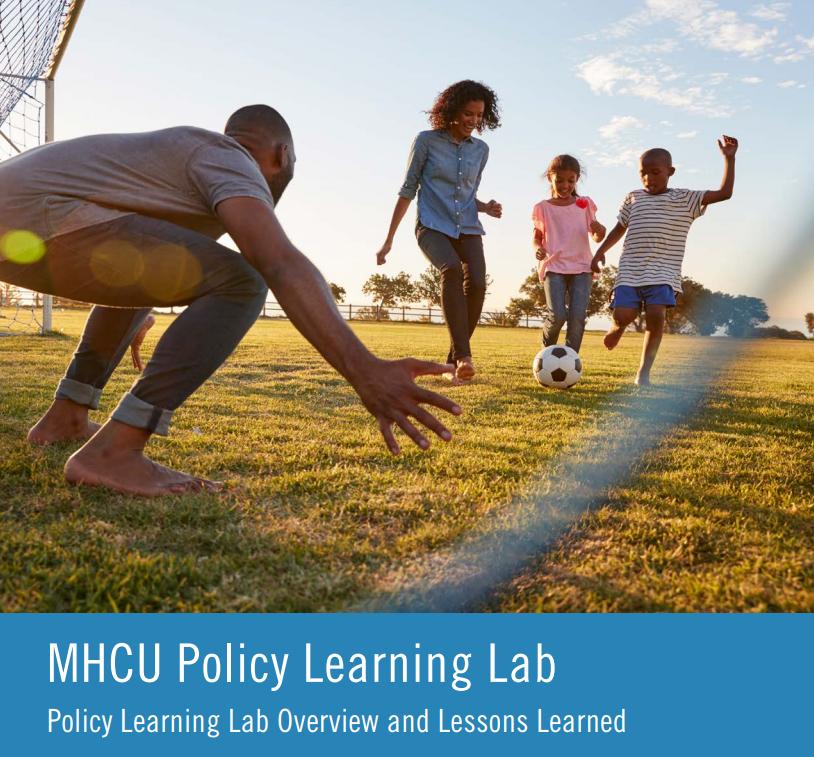
Policy Learning Lab Overview and Lessons Learned

Health leaders teamed up with law and policy experts to create the Policy Learning Labs, a technical assistance initiative focused on upstream strategies to improve health. Technical assistance is a type of help that can build skills and provide tools. It can include information sharing, instruction, training, consulting services, and the development of manuals, reports, resource directories, and guidebooks. With the Policy Learning Labs, you or your community group can see how to create and use strategies that produce large-scale, sustainable population health improvements. Moving Health Care Upstream Beyond hospital walls, health professionals should address the root causes of disease in communities. That’s what Moving Health Care Upstream (MHCU) does. MHCU, launched ...

Read More

Doctor’s Mental Health & Resiliency Training for Immigrant Kids─in School!


Dr. Heyman Oo treated a lot of traumatized child immigrants while a pediatric resident at Zuckerberg San Francisco General Hospital and now as pediatrician at a California clinic system. Oo knows these kids often face extreme poverty before immigration. After, they face parental separation, detention, and discrimination. No wonder they also suffer stress, depression, and other mental health issues, and are at risk for dropping out of school and absenteeism, according to a Salud America! research review. Oo wanted to help. She joined a task force designed to support children amid a growing number of unaccompanied minors being apprehended at the California border, which led to a big change. Unaccompanied Minors In 2014, more than 68,000 unaccompanied immigrant minors were ...

Read More

Immigration-Informed CHWs Link Families to Economic, Social, Legal Supports


Samantha Morton Project DULCE

No money. No quality childcare. No social or legal support. These big stressors plague many parents, and can spur domestic violence and child maltreatment, hampering a child’s early and future development. Fortunately, Project DULCE is testing a unique solution. DULCE adds a “family specialist” to a child’s pediatric healthcare team. The Family Specialist builds relationships of trust and respect with enrolled families and connects families to social services if they want ─ like food stamps, housing vouchers, and legal services ─ to reduce economic stress and prevent maltreatment. Public health advocates often talk about health and quality of life in an “upstream-downstream” fashion. They want to highlight the importance of prevention and the influence of ...

Read More