About the Author

Author Picture

Amanda Merck

Merck completed her MPH with a concentration in Physical Activity and Health. She curates content for Salud America! (@SaludAmerica), a Latino childhood obesity prevention project based at the Institute for Health Promotion Research at UT Health San Antonio. She focuses on the latest research, resources, and stories related to policy, systems, and environmental changes to enhance equitable access to safe places for kids and families to walk, bike, and play.


Connect with Amanda:
Twitter Link

Articles by Amanda Merck

Residents Petition for ‘Complete Streets’ Rules in Phoenix
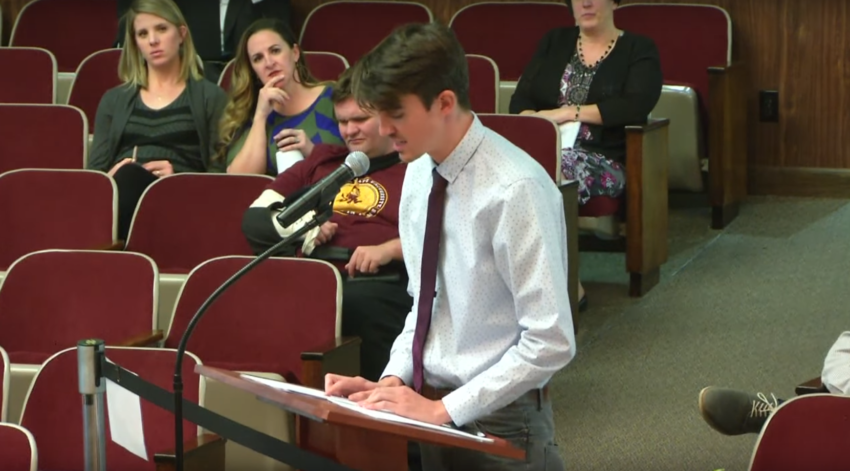


Complete Streets were nearing a dead end in Phoenix. But after 42 meetings and three years of inaction, members of the city's Complete Streets Advisory Board started a citizens' petition to finally spur city leaders to vote on new Complete Streets guidelines. The vote is set for May 2018. Phoenix's Complete Street guidelines—to design streets for all users, walkers, bikers, commuters, drivers—were originally set for 2015. In fact, the Complete Streets Advisory Board was established in 2014 to create Complete Streets design guidelines for adoption by City Council within one year. However, a lengthy review process obstructed adoption, and the city continued to build streets for cars rather than for people. Advisory board members, fed up as people continued to be killed on ...

Read More
Why Early Childhood Suspensions Are Troubling


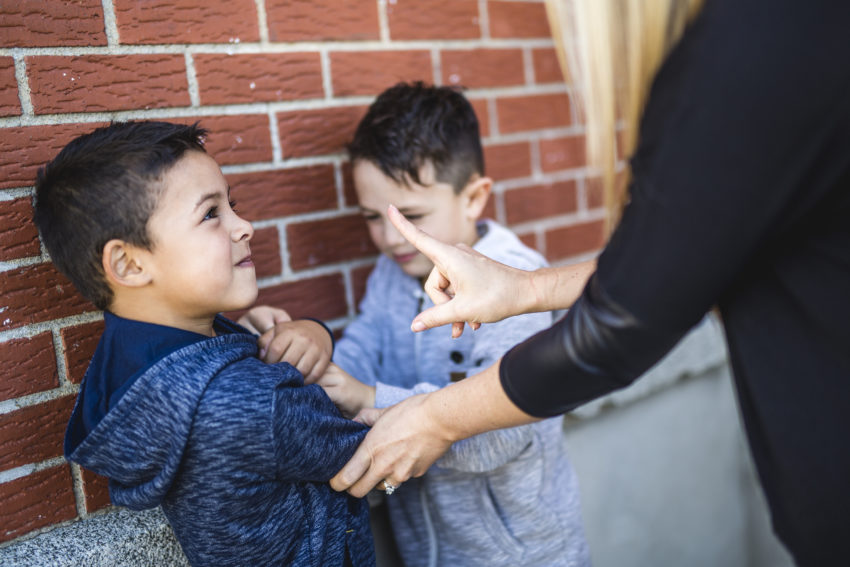
Texas school districts are suspending young students at alarming and disproportionate rates, according to a new report by Texans Care for Children. The report identified 64,773 in-school suspensions and 36,475 out-of-school suspensions of pre-K through second-grade students in Texas in 2015-2016. Students who are black, male, or in special education or foster care were disproportionately suspended. Taking preschoolers out of class denies them valuable learning time and spurs negative thoughts about school and how they fit in. Suspended students are more likely to have poor grades, continue misbehaving, and drop out of school, which harms lifelong mental and physical health. Latino kids especially risk not getting the social support they need for healthy development and disease ...

Read More

#SaludTues Tweetchat 4/17: Climate Changes Health—Transportation & Community Design


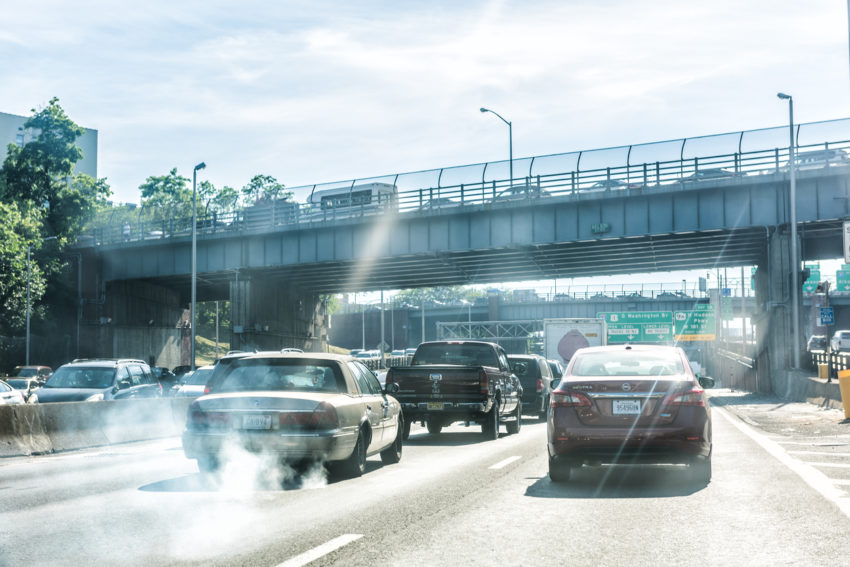
Climate change is happening and it can worsen health. Automobiles, for example, impact the climate by contributing to extreme heat, poor air quality, and health issues like asthma. Extreme weather conditions can damage transportation networks, limiting access to education, employment, or healthcare, and can lead to spikes in gasoline prices. Vulnerable populations—Latinos, low-income communities, the elderly, children, and people with chronic illnesses—are less able to adapt to or recover from these climate change impacts, increasing their risk for heart disease, diabetes, heat stroke, asthma, stress, anxiety and depression. Clean transportation and healthy community design can ease the negative health impacts of climate change and have the potential to reduce obesity, heart ...

Read More

Group of 6 Vermont Lawmakers Introduce 4 Bills on Childhood Trauma


A bus pulls up to a school for Pre-K to eighth grade. A preschooler wearing only a diaper, carrying a lunch box (which turns out to be empty), gets off the bus. This was the shocking testimony by Vermont Supreme Court Chief Justice Paul Rieber to the Adverse Childhood Experiences (ACEs) Working Group as he shared how childhood trauma like poverty and neglect affects what judges, educators, and social workers are seeing. The Vermont legislature established the six-member ACEs Working Group in 2017 to look at the health and human services landscape with regards to childhood trauma and science behind ACEs. In 2018, the group introduced four ACE-related bills to improve trauma support and treatment within state government, health care and education. Legislative Working ...

Read More

What Can Make or Break a Healthy Lunch for Kids?


Capri Sun or 100% juice. Milk or flavored milk. The drink you put in your child's lunch can make or break a healthy lunch. In fact, drink choice is linked to the overall dietary quality of the food packed in lunches by parents for their preschoolers (ages 3-5), according to a new study led by the Rudd Center for Food Policy and Obesity at the University of Connecticut. What does this mean for Latino preschoolers and the health of their lunches? Latino Kids and Sugary Drinks Latino infants are twice as likely to be fed sugary drinks than their non-Latino peers. They are also more likely to have had a sugary drink by age 2 (74%) than their white peers (45%), according to a Salud America! research review. Ads that push sugary drinks are a problem. Latino preschoolers saw 23% ...

Read More

How Your Organization Can Support Mental Healthcare for Foster Kids


Child advocates in California (61% Latino) are asking organizations to support the proposed Family Urgent Response System to provide foster youth and their caregivers with immediate help when they need it most. The proposed system would support a new toll-free hotline to give kids in foster care and caregivers immediate help with mental health crises, and require counties to prepare mobile response teams to provide on-site assistance. Your organization can join more than 75 others in signing a letter to support this proposal by April 3, 2018. Family Urgent Response System In February, 2018, Assembly Member Dr. Joaquin Arambula introduced the Family Urgent Response System bill (AB-2043) to the California Legislature to support foster youth and caregivers. California ...

Read More

Millennials & Latinos Willing to Pay Higher Taxes to Expand Public Transit in Atlanta


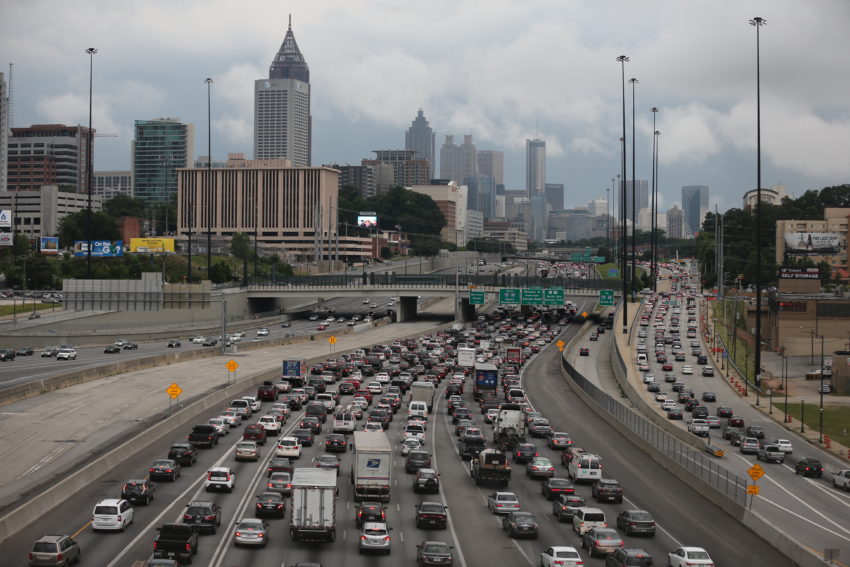
Latinos say they face bigger transportation struggles and public health issues than non-Latinos in Atlanta, and they're willing to pay higher taxes to improve public transportation, according to a new survey. The Atlanta Regional Commission's annual survey ask Atlanta residents their views on transportation, education, health, and more. Overall, residents tabbed transportation as their top concern for the fourth straight year. Transportation is a big deal because it affects day-to-day life. It also affects mental and physical health, professional success, and climate change. Yet, transportation looks very different across the country. Cities with poor transportation options are often burdened by health disparities, economic segregation, and poor air quality. For example, many ...

Read More

Two Latino-Populated Cities Named among ‘Best Complete Streets Initiatives’


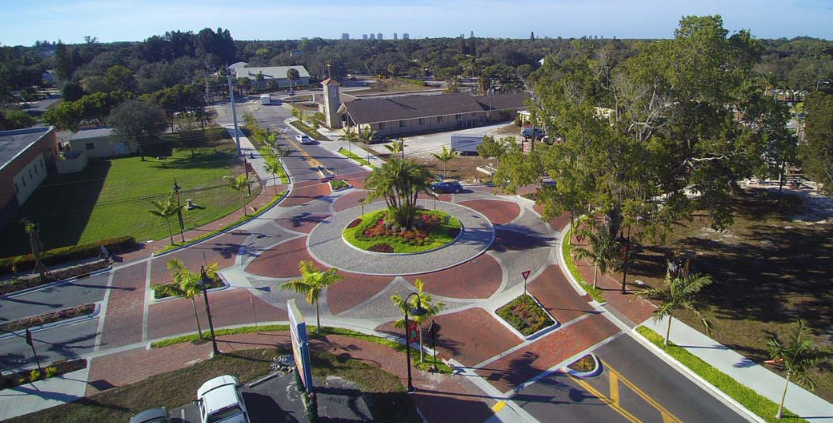
roundabout in bonita florida

Bonita Springs, Fla. (31% Latino) and Las Cruces, N.M. (60% Latino) were among 12 cities recognized in "The Best Complete Streets Initiatives of 2017" report by the National Complete Streets Coalition of Smart Growth America. Complete Streets policies direct transportation planners and engineers to design streets with all users in mind. That includes people who walk, bike, take public transit, carpool or drive. This, in turn, helps address chronic disease, equitable economic growth, and reduced car dependence. The National Complete Streets Coalition sought exemplary examples of Complete Streets and advocates in 2017. Using their 100-point grading system, they selected the 12 Best Complete Streets initiatives. In many communities, roads and streets are barriers to access ...

Read More