About the Author

Author Picture

Amanda Merck

Merck completed her MPH with a concentration in Physical Activity and Health. She curates content for Salud America! (@SaludAmerica), a Latino childhood obesity prevention project based at the Institute for Health Promotion Research at UT Health San Antonio. She focuses on the latest research, resources, and stories related to policy, systems, and environmental changes to enhance equitable access to safe places for kids and families to walk, bike, and play.


Connect with Amanda:
Twitter Link

Articles by Amanda Merck

Webinar: Turning Data Into Walking Action



Map, track, and evaluate. These words are music in public health nerd's ears. Especially for walking nerds, America Walks is hosting a webinar to help public health advocates turn data into action to improve walkability across the United States at 2 p.m. EST Dec. 13, 2017. Why Connect Health and Walking Advocates? Decades of inequity in investment in streets, sidewalks and communities has disproportionately burdened Latino and many communities with health disparities, traffic fatalities, and even criminal citations for jay-walking. Many health advocates lack adequate data or the ability to use data to make the case for environmental, systems, or policy changes. Particularly when it comes to walking and walkability because, traditionally, non-health departments and ...

Read More
The Wild Story of How Residents Petitioned for Free Pre-K in Florida


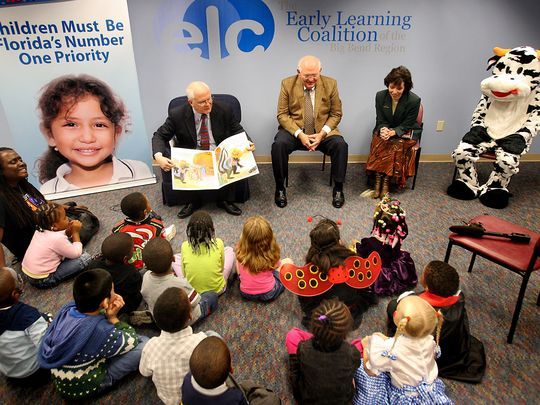
Florida (24% Latino) is home to the nation's largest free preschool program. How did they get it? The long and winding story started 70 years ago and called for epic action—like enabling people to tax themselves for the sake of children, and local residents bypassing state legislators and petitioning for a public vote for universal Pre-K as a Florida Constitutional amendment. By the end, Florida had a model that other states can follow to get free Pre-K in their state. The Need for Greater Access to Preschool Latino and all children who attend high-quality early childhood programs are better prepared for kindergarten and overall school success than children who do not attend such programs. However, Latino kids and families across the country face many barriers to access ...

Read More

Kansas Middle-Schoolers Do Eye-Opening Walking Audits


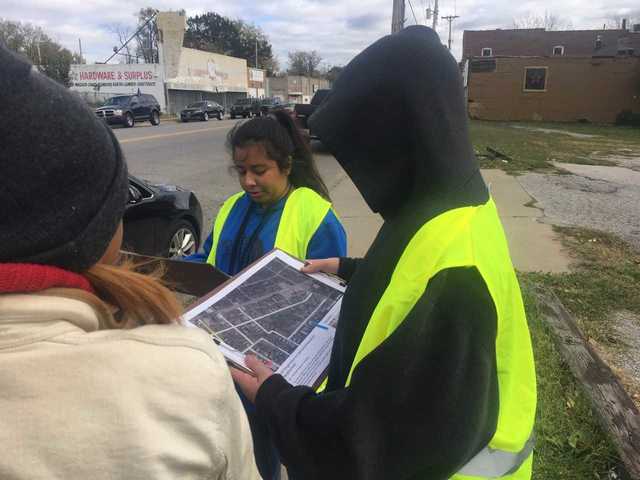
Eighth-grade students in Kansas City, Kan. (29.3% Latino), are conducting neighborhood audits around their middle school to see how friendly the area is for kids and families to walk. Latino kids often lack safe places to walk and play. They are less physically active than their peers and face higher rates of obesity and chronic disease. Safer routes would enable families to choose walking, thus improving children's their physical activity and health, research shows. Why Walking Audits? Walking audits are one way to assess factors that help or hinder safe routes for children to walk. Audits typically focus on a specific site, like a school or park, or a specific street or corridor. Audits account for things like sidewalk width and condition, street lighting, distance between ...

Read More

San Antonio Coalition Wants to Raise Smoking Age to 21


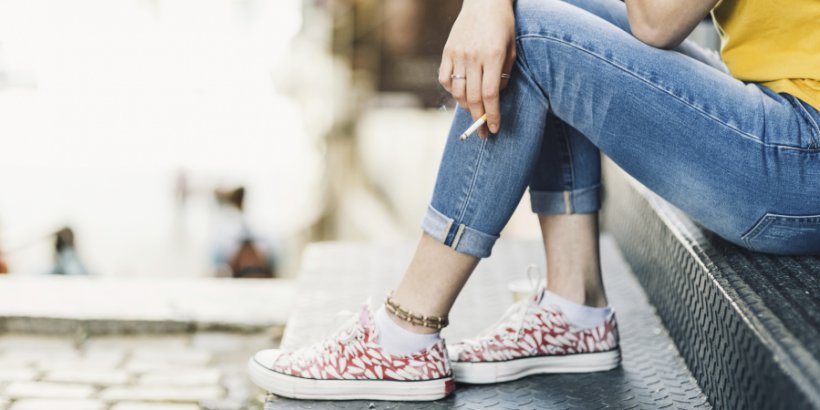
teen smoking cigarettes

For the first time in decades, overall tobacco use increased among high school students. This could have a big impact on Latino health. Lung cancer is the leading cause of cancer death among Latino men and the second-leading cause among Latino women. The Tobacco 21 Coalition is trying to raise the legal minimum age for cigarette purchase to 21 in San Antonio, Texas (68% Latino). Every year in Texas, 75,000 kids try smoking for the first time and 12,300 kids become regular smokers. In San Antonio, 12.6% of male high school students and 9.9% of female high school students currently smoke. These youth are more sensitive to nicotine's addictiveness because their bodies are still growing and developing, according to health experts. Thus, these youth are more likely to smoke as ...

Read More

Outdoor Learning Environments Soon Available in TX


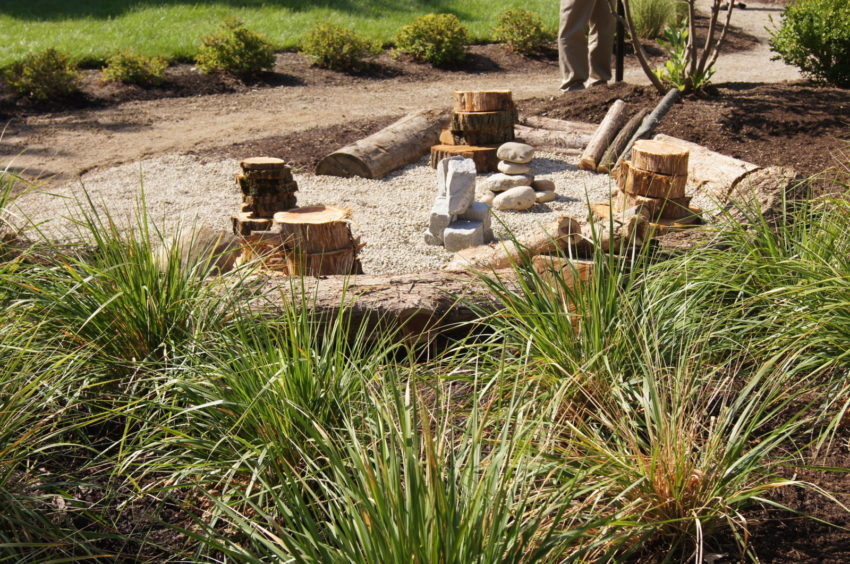
Texas (39.1% Latino population) is launching five Outdoor Learning Environment demonstration sites across the state, three of which are at early childcare centers. This is great news for many Latino students across the state. Currently, children today can spend 8-10 hours a day in childcare. However, like many Latino-majority schools, childcare facilities offer less time for kids to play and be active. As early as age four, Latino children face gaps in academic performance and disparities in obesity. Latino kids need safe places to play and be active to reduce obesity and boost academic achievement. Naturalize Outdoor Playgrounds Play – particularly play in nature – is critical for healthy child development. Nature supports creative problem solving, enhances cognitive ...

Read More

#SaludTues Tweetchat 11/14: Early Childhood Development and Latino Kids


Abuse. Neglect. Poverty. Household dysfunction. Latino kids are more likely than their peers to suffer these kinds of "adverse childhood experiences." This can hinder children's healthy development, school readiness, and overall health and wellness in many ways. To drive solutions, Salud America! will unveil a new research review, "The State of Latino Early Childhood Development," at the #SaludTues Tweetchat on Tuesday, Nov. 14, 2017, to start a conversation about new ways to reduce childhood trauma and boost healthy development. WHAT: #SaludTues Tweetchat: “Early Childhood Development and Latino Kids” TIME/DATE: 1-2 p.m. EST Tuesday, Nov. 14, 2017 WHERE: On Twitter with hashtag #SaludTues HOST: @SaludAmerica CO-HOSTS: Zero to Three (@ZEROTOTHREE); Cero A ...

Read More

Pediatricians Prescribe Books to Boost Literacy in Latino Families


Pediatricians play a big role in a child's health. But not in the way you might think. Treating flu and other illnesses is only 10% of what makes a person healthy. The rest is genetics (20%), environment (20%), and daily behaviors (50%). That's why it's so important for pediatricians to engage parents and kids to improve daily behaviors—like reading to young children and playing outside—especially among Latinos who have limited safe places to play and early educational gaps. Two amazing reading programs are doing just that. Reach Out and Read Latinos often enter kindergarten developmentally behind their non-Latino peers, Salud America! research shows. For example, as early as age four, children in low-income families hear 30 million fewer words than than their middle and ...

Read More

One Region’s Big Effort to Connect Rural Residents to Healthy Food


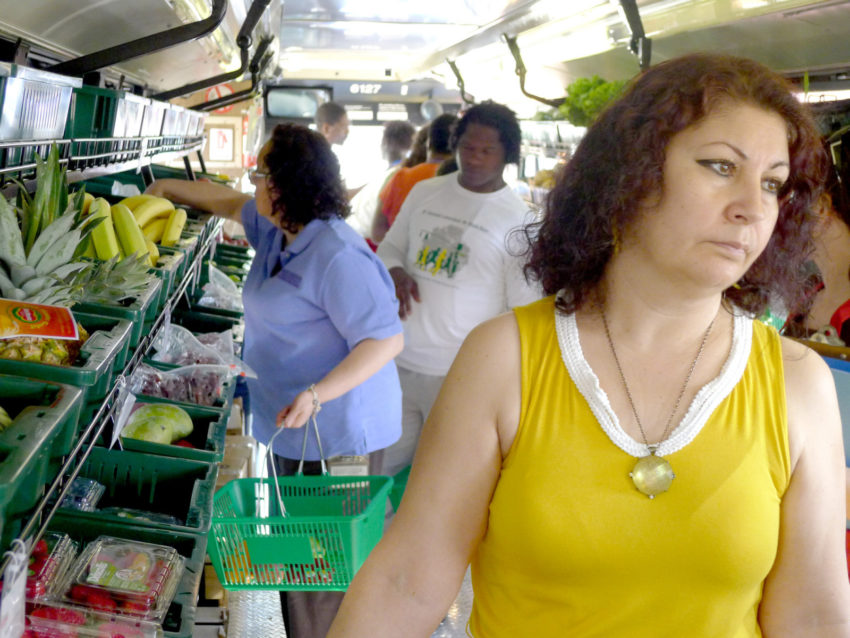
Salud America! Guest Blogger Ethan Goffman of Mobility Lab In rural areas, a car is a lifeline to groceries, community, and medical care—all the basics of life. Seniors who can no longer drive, Latinos who often live without easy access to grocery stores or farmer's markets, and other people without access to a car, must depend on neighbors and whatever public transit may be available. Enter Rabbit Transit, which is striving to connect otherwise isolated individuals. The agency serves York County (7.2% Latino) and nine other rural counties in Central Pennsylvania, providing some 2.5 million trips a year, explained Richard Farr, the agency’s executive director. “Part of our mission statement is really focusing on a high quality of life for our residents,” Farr said. ...

Read More

Junk Food Marketing, Latino Kids, and the Scary Health Halo Effect


Research has long shown that Latino kids see a lot of unhealthy food and drink ads on TV. But now a new study shows that food companies heavily target Latino kids on the Internet, too, according to a new study from the University of Connecticut Rudd Center for Food Policy and Obesity. What's worse, the Rudd Center also has confirmed a troubling "health halo effect." That is, when food manufactures promote good nutrition and physical activity in ads for unhealthy products, children can be misled and confuse their understanding of good health, according to researchers, via a separate study. The new findings have big implications for Latino kids, who suffer higher rates of obesity and worse health outcomes than their peers. Targeted Online Marketing To Latino Kids Previous ...

Read More