About the Author

Author Picture

Amanda Merck

Merck completed her MPH with a concentration in Physical Activity and Health. She curates content for Salud America! (@SaludAmerica), a Latino childhood obesity prevention project based at the Institute for Health Promotion Research at UT Health San Antonio. She focuses on the latest research, resources, and stories related to policy, systems, and environmental changes to enhance equitable access to safe places for kids and families to walk, bike, and play.


Connect with Amanda:
Twitter Link

Articles by Amanda Merck

The Truth about Best Physical Activities for Kids (from Baseball to Wii Tennis)


It can be a chore to figure out how to get kids the right levels of physical activity. Current guidelines recommend different intensity and frequency for different aerobic and muscle-strengthening physical activities for kids. What's that mean? More running? Jumping? Organized sports? Active video games? A new list—the Youth Compendium of Physical Activities—sheds light on 196 youth physical activities and the estimated energy expenditure for each. This collection of everything from basketball to running to to cycling to Wii Sports offers parents, teachers, coaches, healthcare workers, and researchers better insight into which physical activities contribute to a healthier lifestyle, thanks to the National Collaborative on Childhood Obesity Research. Compendium of Physical ...

Read More
Reading Together Helps Latino Dads and Kids


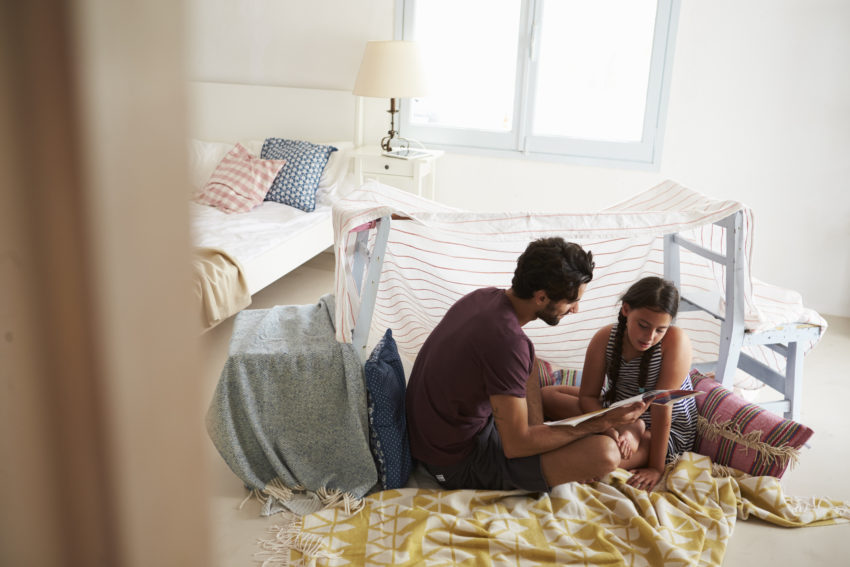
Father And Daughter Playing Indoors In Home Made Den

Sadly, Latino parents are less engaged in their child's education. So what happened when a program helped Latino dads read books together with their young kids? The Latino dads' parenting skills jumped 30%. The Latino children's language development and school readiness jumped 30%, too. These amazing results come from a New York University study that engaged 126 low-income, Spanish-speaking fathers and their Head Start children in shared book reading and a parent training over eight weeks. "Our study finds that it is possible to engage fathers from low-income communities in parenting interventions, which benefits both the fathers and their children,” said study leader Dr. Anil Chacko of NYU Steinhardt. Gaps in Latino Child Literacy Preliteracy gaps are seen in Latino ...

Read More

Open Ciclismo: Crowdsourced Map of Biking in San Antonio


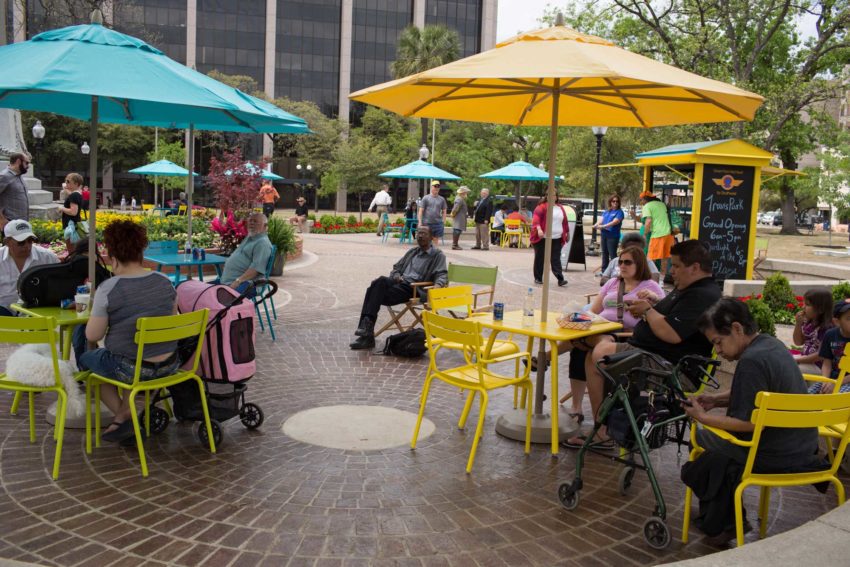
You can share the best—or worst—places to bike in San Antonio, thanks to a new bilingual crowdsourced map. The Open Ciclismo map, launched in October 2017 in English and Spanish by the local online news source the Rivard Report and Bike San Antonio, enables people to identify biking problems, issues, and solutions across San Antonio (63.7% Latino). You can report a public dangerous intersection, suggest a bicycling improvement, or share safe places to ride. Just indicate the location, add a description, and upload or share a video. "By crowdsourcing this data and riders’ experiences, we aim to create up-to-date awareness of hotspots for cycling safety, crime, and infrastructure improvements—holding city officials accountable for safe cycling and pedestrian life in San ...

Read More

Report: Latino Kids are Left Out of Census Count


Latinos are the nation's second-largest population group—yet they continue to be dramatically undercounted. More than 400,000 Latino children younger than 4 were not counted in the 2010 U.S. Census, according to a recent report from the Child Trends Hispanic Institute and National Association of Latino Elected and Appointed Officials (NALEO) Educational Fund. With the 2020 Census looming, an accurate count of Latinos is critical to ensure they get the right number of representatives in government and a fair share of funding for educational programs, healthcare, and law enforcement, as well as new schools and roads. The U.S. Census Count The U.S. Census Bureau counts every resident in the U.S. every 10 years, per Article 1, Section 2 of the U.S. Constitution. The data ...

Read More

Artist’s Fake Ads Save Historic Streetcars in Border City


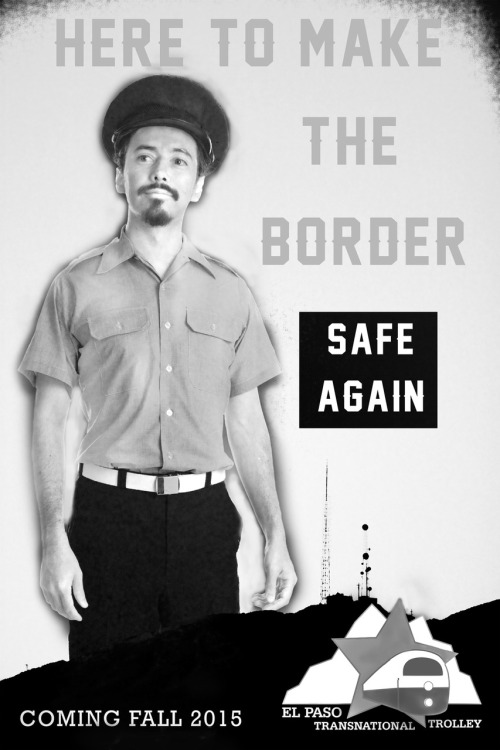
The streetcar is back along the Texas-Mexico border, thanks to a Latino man's brilliant "fake" ad campaign. Peter Svarzbein, an El Paso native, loved how a historic international streetcar system used to connect downtown El Paso, Texas (82.2% Latino) to downtown Cuidad Juárez, Mexico. But it closed in 1974. Today many in El Paso lack public transportation to reach places they need to go, which harms their health, educational, and employment opportunities, and the economy. So Svarzbein created a fictional, yet powerful ad campaign to simulate the return of El Paso's border-crossing streetcar for his graduate thesis project at New York's School for Visual Arts. Svarzbein's El Paso Transnational Trolley Project sparked enough curiosity and enthusiasm to create a real ...

Read More

Latinas and the Future Health of the U.S.


There is a near-perfect way to predict a child's educational and health future. A mother's education. Sadly, Latinas have the lowest high school graduation rates and some of the lowest college completion rates of all women, according to a new report. The report, Fulfilling America’s Future: Latinas in the U.S., 2015, is an exploration of the state of Latinas by Patricia Gándara, research professor and co-director of the Civil Rights Project at UCLA, and the White House Initiative on Education Excellence for Hispanics. "As a group, Latinas begin school significantly behind other females and without adequate resources and supports, they are never able to catch up to their peers," according to the report. So, how can Latinas catch up? The State of U.S. Latinas One in five ...

Read More

Teachers Connect Children with Nature One Day a Week


Outdoor Education Source Andy Manis For the State Journal

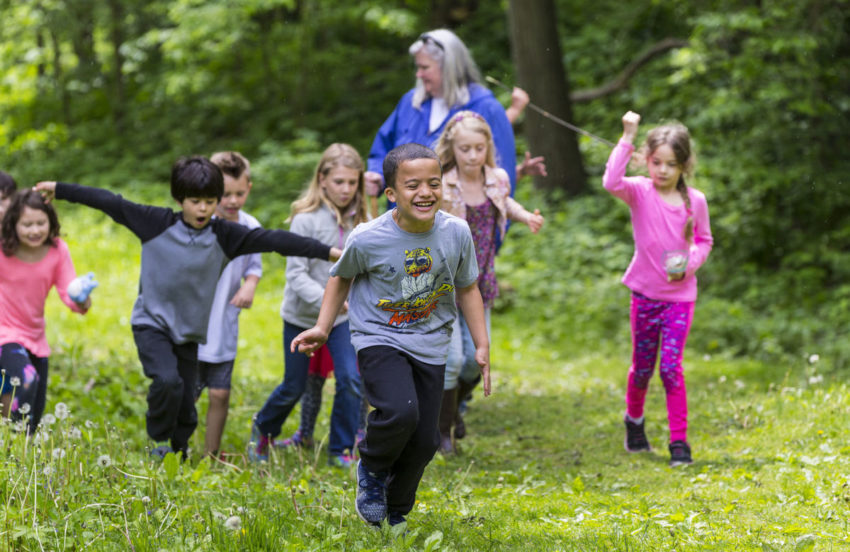
What happened when 10 teachers in Wisconsin committed to take their elementary students outside one day a week to explore and play in nature? The students studied the natural world, learned other lessons, and got physical activity outside. Successful outdoor education! "Playing outside is different socially, emotionally and physically than what happens in the classroom," one of the teachers told the the Wisconsin State Journal. Why Is Outdoor Education Good for Kids? Outdoor teaching and recess during school can improve students' learning, and much more. It can boost physical, mental, and emotional health, particularly for Latino kids who don't get as much time for physical activity during the school day. It also can foster a desire to conserve and preserve green space ...

Read More

2017 Community Change Micro Grants Opportunity


Many families aren't as active as they would like to be because they lack safe places to walk, bike and play. In fact, the U.S. is failing five of nine factors that reflect walking and walkable communities. Latinos in particular face barriers to walk, which negatively impacts physical and mental health, as well as economic prosperity. Are you interested in helping to make walking more commonplace for families in your community? Micro Grants; America Walks is hosting a round of micro grants for up to $1500 to fund or start smaller-scale, low-cost projects and programs. The goal is to increase the prevalence of walking, expand the diversity of people and organizations working to advance walkability, and help to make walking safer, easier, and more fun for all community ...

Read More

Rocio Muñoz Embeds School Health Navigators for Latino Parents


Latinos face many barriers to health care, including language differences; complex and confusing documents and processes; lack of knowledge of available services; unreliable transportation; and fear of using government services. One way to increase health equity among Latinos is to remove these barriers. Rocio Muñoz, community health navigator at Benton County Health Department (BCHD), in partnership with the school district, worked to embed bilingual, bicultural health navigators into elementary schools in Corvallis, Ore. (7.4% Latino), to address these identified barriers. The partnership resulted in a model where health navigators are placed in schools to coordinate with students, parents and teachers regarding students’ health records in order to boost access to health ...

Read More