About the Author

Author Picture

Amanda Merck

Merck completed her MPH with a concentration in Physical Activity and Health. She curates content for Salud America! (@SaludAmerica), a Latino childhood obesity prevention project based at the Institute for Health Promotion Research at UT Health San Antonio. She focuses on the latest research, resources, and stories related to policy, systems, and environmental changes to enhance equitable access to safe places for kids and families to walk, bike, and play.


Connect with Amanda:
Twitter Link

Articles by Amanda Merck

5 Big Policy Strategies to Tackle Childhood Trauma—and a Toolkit to Make It Happen


early care preschool program with diverse kids

Childhood trauma is a rising crisis in California. Trauma like childhood poverty and abuse have ripple effects on the state's public health, education, and juvenile and criminal justice systems. Teachers and law enforcement are rarely trained on how to deal with traumatized kids. Not to mention the affect on children's brains, bodies, and futures. To raise awareness about childhood trauma and better serve kids in California (38.9% Latino), 100 health professionals and advocacy groups created the the California Campaign to Combat Childhood Adversity in 2014. The group is now pushing five big policy strategies to address childhood trauma in the California Legislature. And they've created a toolkit to help other state advocates do the same. "Often people think about trauma, ...

Read More
Report: How Early Childcare Providers Can Help Children of Trauma


Most early childcare providers deal with children who have experienced or will experience neglect, poverty, or other traumatic events that can harm long-term health. But not all providers know how to best help these children. Fortunately, a new report from Child Trends and the National Center for Children in Poverty, is giving childcare providers guidance in dealing with children of trauma. How Early Childhood Trauma Affects Kids Trauma is a sad fact of life for many children. Whether its child abuse or witnessing domestic violence, trauma can impair a child's body and brain development. It also can hinder learning and the ability to develop healthy relationships across the lifespan. Latino kids exposed to many traumatic events are at higher risk for obesity, asthma, heart ...

Read More

Oprah Reports on Childhood Trauma with Dr. Bruce Perry


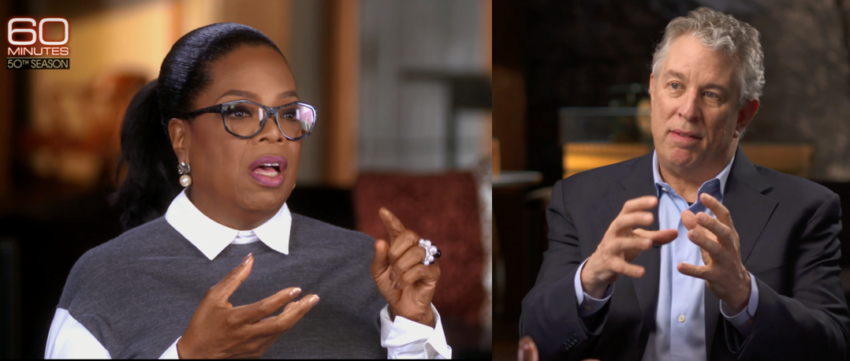
Oprah Winfrey is raising awareness about childhood trauma and the need for trauma-informed care. Childhood trauma—like abuse, neglect, and poverty—changes a child's brain, body and behavior. Behavior is often the first "red flag" of trauma. But too often caregivers, teachers, and law officers misinterpret that red flag as "bad behavior" that needs "fixing." They are rarely trained on the science of childhood trauma and how it affects Latino and all children. That is why Oprah Winfrey returned the city where she grew up facing poverty, sexual abuse and other negative experiences to explore the science of childhood trauma on 60 Minutes with trauma expert Dr. Bruce Perry. Science Behind Adverse Childhood Experiences What started as inquiry into high patient drop-out rates ...

Read More

KaBOOM!’s New Play Everywhere Playbook


Playing can help a kid's healthy brain development. But many communities are not kid-play-friendly. Latino neighborhoods tend to lack safe places that welcome kids and multi-generational families to play. That's why KaBOOM! created the Play Everywhere Playbook. The Playbook helps cities design healthy play spaces with kids in mind. The Playbook is has four sections built on input from city and community leaders, health experts, urban planners and affected families: Fundamentals: defining what makes a space a PLAYce—wondrous, convenient, inviting, shared, unifying, challenging and intentional Design guides: streets and sidewalks; parks trails, and public spaces; transit; multi-family housing; commercial spaces; civic spaces; and moveable and pop-up play Case ...

Read More

Teachers Ditch Cars, Embrace Alternative Transportation


Nearly 9 of 10 teachers wake up, get in cars, and drive solo to Arlington Public Schools every day in Arlington County, Va. (15.4% Latino). This clogs the streets and pollutes the air outside schools. So, with the student and staff populations set to rise in coming years, how could Arlington get its staff and parents to drive less, and instead use healthier transportation options like ride-sharing, walking, biking, and mass transit? They tried "transportation demand management," or TDM. TDM is the opposite of building bigger roads and parking lots. It focuses on helping people use alternatives to driving. "At its most basic level, TDM is a program of information, encouragement and incentives provided by local or regional organizations to help people know about and use all ...

Read More

How to Rebuild Police-Community Trust by Tackling Trauma


equal justice trauma implicit bias training

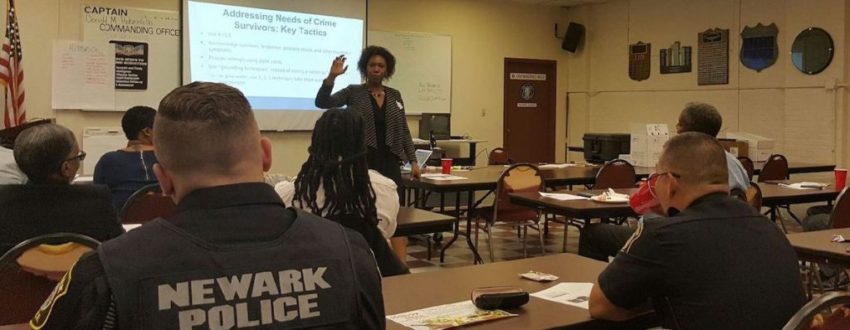
Minorities don't trust police. Police don't trust minorities. You can see this dynamic in any viral video of police-associated violence across the nation. What is harder to see is how this "fraught relationship" impacts the mental, emotional, and behavioral health of both police officers and minorities like Latinos, according to a trustnottrauma.org report. That's why a new program is taking a new approach—trauma training—to rebuild police-community trust and relationships in Newark, N.J. Why Newark? Communities rely on police departments to "protect and serve." The police, in turn, rely on community support and cooperation. But this model doesn't always work in harmony, according to RAND. Newark (34% Latino) is a prime example. In 2011, New Jersey's American Civil ...

Read More

#SaludTues Tweetchat 3/13: Women in Health, the Environment, and Policy


The places we are born, grow, live, work, and age were not created equitably for all. Women of color tend to live in places with less access to opportunity—safe places to walk and play, healthy food, quality education, public transportation, employment opportunities, and preventive health care. This hinders educational attainment, income, and physical and mental health. Fortunately, women are increasingly standing up to the historical social, environmental, and political issues that spur poor health. To celebrate Women’s History Month, let's use #SaludTues on March 13, 2018, to tweet about awesome women who have and continue to build a culture of health for Latino and all families in the places they live. WHAT: #SaludTues Tweetchat: "Women in Health, the Environment, ...

Read More

Latino Nonprofit Will Give Free Rides to Doctor Appointments


Bus service is slow and sporadic in eastern Suffolk County, N.Y. A 15-minute drive can take two hours by bus. This makes it hard to get to a doctor for people in this 19% Latino county. Take it from Byrony Freij, a local Spanish-speaking pediatric counselor. She told Newsday that some households share one car, which is usually in use during the day. Undocumented residents avoid driving. Hours on a bus to visit a pediatrician is difficult for mothers recovering from childbirth. That's why Freij is happy to see that nonprofit Organización Latino-Americana is launching a free transportation program to help Latino and all residents get to pediatric and other doctor appointments. "It's a huge relief," Freji told Newsday. "But it’s a shame that it has to be a nonprofit that ...

Read More

Climate Change: A Solution to Global Warming & Health Equity


More Latinos walk and bike instead of drive cars than non-Latinos, which could be the key to address climate change and health equity, according to a recent English and Spanish survey by the Yale Program on Climate Change Communication. Transportation design, however, doesn't always make it easy to walk and bike safely. Salud America! continues its three-part series exploring the issue of climate change for Latinos, today tackling whether leaders get more people out of cars and into active transportation, boosting health and reducing greenhouse gas emissions. Part 1 of the series tackled what climate change is, why Latinos are worried, and whether they should be. Part 2 addressed what kinds of policies Latinos would support to address climate change. The Rise of Latinos Walking ...

Read More