About the Author

Author Picture

Amanda Merck

Merck completed her MPH with a concentration in Physical Activity and Health. She curates content for Salud America! (@SaludAmerica), a Latino childhood obesity prevention project based at the Institute for Health Promotion Research at UT Health San Antonio. She focuses on the latest research, resources, and stories related to policy, systems, and environmental changes to enhance equitable access to safe places for kids and families to walk, bike, and play.


Connect with Amanda:
Twitter Link

Articles by Amanda Merck

#SaludTues Tweetchat: Why Affordable Housing Matters for Health


Health starts and is sustained in the communities we live, work, and play. However, in many places, affordable housing is not available, subjecting families to unstable, inferior, and crowded housing while isolating them in areas with limited access to education and employment opportunities. This reduces their ability to stay healthy. It increases their risk of physical and mental health issues. Achieving and maintaining good health requires the efforts of urban and transportation planners, housing experts, elected leaders, educators, and many more. UPDATE: View a recap of this Tweetchat on Wakelet. Use #SaludTues on August 21, 2018, to tweet about why affordable housing matters for health, and what you can do to create healthier places to live! WHAT: #SaludTues ...

Read More
Tell TxDOT: Prioritize the Lives and Physical Wellbeing of Texans


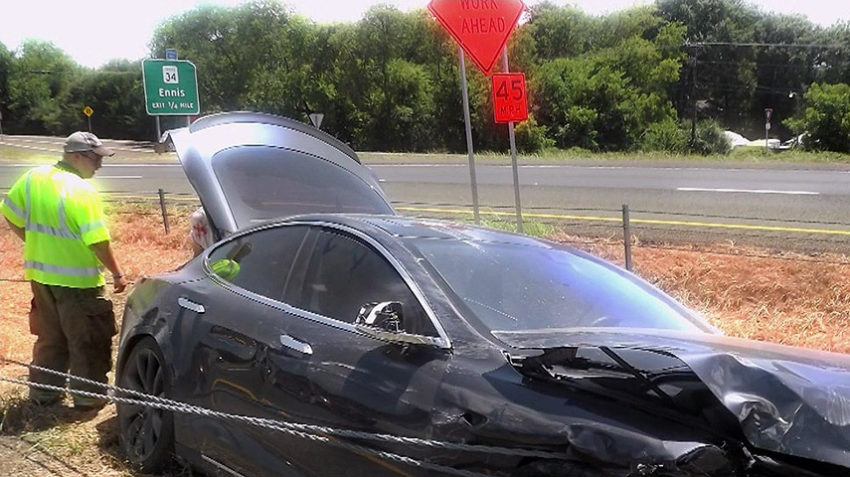
The Texas Department of Transportation (TxDOT) wants your input to shape transportation planning and spending across the state for the next 10 years, in what is known as the Unified Transportation Program (UTP). The UTP will guide construction, development, and related activities for 13,000 projects. However, the program prioritizes congestion relief over safety, connectivity, and economic development, says nonprofit Farm & City. You can speak up for transportation that prioritizes Texans’ wellbeing! Copy one of the model public comments drafted by our Salud America! research team, click the “submit” button, and paste the comment on txdot.gov’s comments website by Aug. 20, 2018. Be sure to click “No” in the required field asking if this is a complaint. Model ...

Read More

Watch: Salud Hero John Hernandez Joins the 100th Dropout-Prevention Webcast


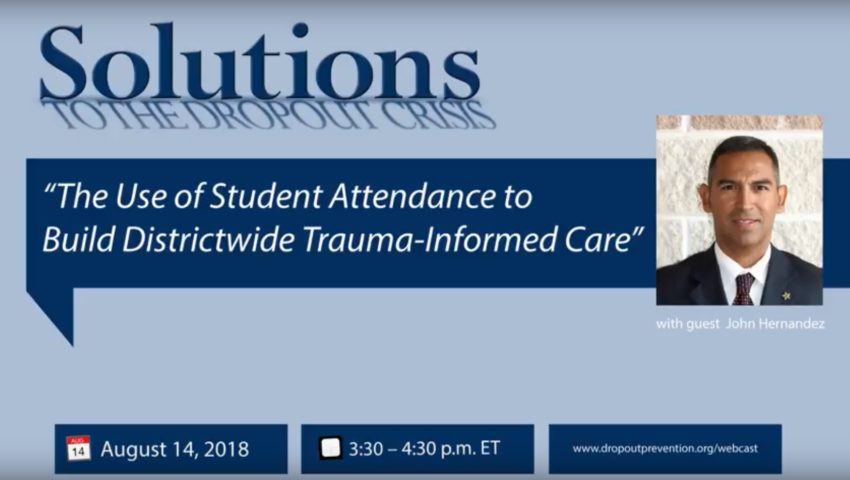
In the past decade, the National Dropout Prevention Center has aired 99 free webcasts to push for school success and dropout prevention. The 100th webcast, will feature John Hernandez, a Salud America! Salud Hero extraordinaire, on Aug. 14, 2018. Hernandez is the director of student services at East Central Independent School District (ECISD) in San Antonio, TX (68% Latino). He began to uncover that the reasons for student absenteeism went beyond Texas' at-risk indicators—a parent in jail or in hospice, loss of a loved one, immigration or deportation of family members, bullying, food insecurity, unstable housing arrangements, divorce, and many more. So Hernandez started got the support of the ECISD superintendent and started a committee to address these ...

Read More

Resources to Inject Health into Transportation Projects and Policies


Our roads and walkways could be our path to good health and wellbeing. But cities are stuck in a rut of prioritizing cars over people. Thankfully, over the past decade, many organizations are contributing to the growing body of health and safety research and advocacy to influence transportation projects and policies. Knowing the Impact In 2012, the Robert Wood Johnson Foundation released a research brief and infographic on how transportation affects health. “Health costs associated with traffic crashes, air pollution, and physical inactivity add up to hundreds of billions of dollars each year, but health is typically not considered in transportation policy and planning,” the 2012 Health Policy Snapshot Issue Brief states. Changing the Speed Limit In 2011, the AAA ...

Read More

New Playbook: Creating Community Partnerships for Health Equity


A new action-oriented guide is available to foster collaboration between the health sector and the organizations working to improve the conditions of poverty, known as the community development sector. Collaboration among these sectors is critical because more than 80% of the nearly $3.5 trillion spent on medical care each year in the U.S. is spent on treating chronic diseases, most of which are preventable and related to the conditions of poverty. Latinos and low-income populations are disproportionately burdened by the conditions of poverty, thus face higher rates of chronic disease. Conditions of Poverty Health is not created in a doctor’s office, it is created in healthy, equitable, and prosperous communities. However, not all communities were created equal. Some have ...

Read More

Early Childhood is Key to Unlocking Health Equity


Toddlers and preschoolers who grow up amid poverty and racism are at a developmental disadvantage and face lifelong social, health and economic consequences that hinder health equity, according to a new report from the Robert Wood Johnson Foundation (RWJF) and the University of California, San Francisco (UCSF). This includes Latino kids, who are prone to hardships in early childhood. Experiencing poverty and racism in the first five years of life can “set off a vicious cycle of inequities” from obesity, stress, and developmental problems that affect adulthood and future generations. Fortunately, the report explores ways to overcome or prevent these damaging effects. “Reducing child poverty, eliminating structural racism, and providing universal high-quality early care ...

Read More

Making the Connection between Public Health and Transportation


Transportation affects health. Latinos, for example, often face unsafe streets and big transportation hurdles that make it hard, costly, and even deadly to access basic and health needs. They end up suffering higher rates of disease, diabetes, depression, pedestrian injuries and deaths, and more. Yet transportation and public health professionals don’t always get together for solutions. Fortunately, the Transportation Research Board is enabling these connections. The Board created its Health & Transportation Subcommittee in 2011, hosted a topical conference and magazine edition in 2015, and will carve out space in its 2018 annual meeting to explore this topic. “[We aim] to identify, advance and publish research and information to expand and improve current ...

Read More

How One National Park is Attracting Latino Visitors


Cam Juarez knows the bad stats. Latinos are just 2% of visitors to Saguaro National Park, despite being 40% of the population in Pima County, Ariz. They miss a big chance to connect with nature and be physically active. Heck, Juarez himself lived nearby for 26 years before visiting Saguaro. Now Juarez's job—Saguaro's "community engagement coordinator"—is to raise Latino park attendance. And, by mixing cultural events with workforce diversity and bilingual community and school outreach, he's helped raised attendance and at the same time created a model for other parks to solve a national issue: How to get Latinos to come to national parks. How'd Juarez do it? Latinos, Physical Activity, and National Parks Cam Juarez was born with a heart defect—likely due to the ...

Read More